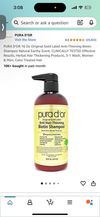
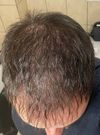
The user wants to undergo laser hair removal on a bad hair transplant and maintain their natural hairline. They are seeking shampoo recommendations while using finasteride and minoxidil.
A user shared their successful hair loss and gray hair reversal routine, which includes Minoxidil, Cetirizine HCl, Latanoprost, Dutasteride, Melatonin, Caffeine, Tretinoin, Vitamin D3, and Vitamin E. They also use a red light cap, oral Minoxidil, and are developing new treatments.
The conversation discusses using 0.1% retinol as a potential substitute for 0.01% tretinoin with minoxidil for hair loss treatment. It mentions that tretinoin is not easily available in some countries, and retinol might be less effective but less harsh on the scalp.
The conversation discusses the timing of applying Minoxidil and finasteride after microneedling. Opinions vary, with some suggesting immediate application and others recommending waiting to avoid skin irritation.
Managing seborrheic dermatitis using ketoconazole shampoo, Nizoral, and oils like MCT and coconut oil. The user considers shaving their head and consulting a dermatologist.
The conversation discusses using Rogain foam as a solvent for topical finasteride due to an allergy to propylene glycol. The foam's ingredients, including alcohol SD 40B, are considered suitable for dissolving finasteride for easier application without skin irritation.
The conversation is about finding affordable topical anti-androgens for hair loss. The user is currently using finasteride, dutasteride, and oral minoxidil, and is advised that additional topical treatments may not be necessary.
A user is seeking advice on a new topical hair loss treatment containing Minoxidil 3%, Finasteride 0.3%, Progesterone 1%, Hydrocortisone butyrate 0.1%, and Ketoconazole 0.5%. They are concerned about the systemic absorption of Finasteride and plan to do blood tests and a spermiogram before starting.
Topical Finasteride is most effective at 0.1-0.25%, and Minoxidil at 5%. Tretinoin is optional, and additional ingredients like biotin, caffeine, and saw palmetto are recommended.
GT20029 is a potential treatment for androgenetic alopecia, addressing the root cause by targeting androgen receptors, unlike Minoxidil or Finasteride. It is seen as a preventative measure rather than a regrowth agent, with hopes for market release soon.
The user has been using a combination spray of finasteride, minoxidil, and tretinoin for 5 months, along with microneedling and biotin, and is uncertain about hair regrowth progress. Other users suggest more time is needed for results, with peak results at 2 years, and mention oral dutasteride as an effective treatment.
A user discusses a hair loss treatment combining minoxidil and tretinoin, noting it may enhance absorption. Some users express interest and share positive experiences, while others question its effectiveness without medical evidence.
A 25-year-old man with mild hair loss is using a topical finasteride treatment, biotin and ajuga reptans supplements, ketoconazole shampoo, and microneedling for hair growth. Due to a heart condition, he can't use minoxidil and is seeking alternative hair growth treatments, considering both medicinal and natural remedies like rosemary oil.
The user suspects scarring alopecia and is exploring NSAIDs and turmeric/pepper for inflammation-related hair loss, having experienced burning and thinning with finasteride and testosterone reduction. They are seeking feedback while unable to afford a dermatologist.
The conversation is about experimenting with topical exosomes for hair loss treatment, alongside microneedling, Happy Head's gel-like topical, and Ordinary's hair serum. The user also mentions the availability of treatments like latanoprost and Redensyl.
Mixing charcoal, Ketoconazole, and caffeinated shampoo is questioned for potential interaction, specifically if charcoal inactivates other ingredients. Charcoal is used for seborrheic dermatitis, while caffeine is thought to improve scalp blood flow.
A new topical treatment, TH07, combining finasteride, latanoprost, and minoxidil, is entering phase III trials with promising early results. Some users express skepticism, noting the treatment uses existing products.
A user reported success with RU58841 and a 1mm derma roller for hair regrowth, noting significant improvement in hair density and reduced scalp visibility. They also mentioned using minoxidil and black castor oil in the past, with mixed results.
Intradermal botulinum toxin (BTX) injections effectively treat androgenetic alopecia (AGA) by inhibiting TGF-β1 secretion from hair follicles. Further research and long-term follow-up are needed to confirm these findings.
Microneedling may not significantly help those who don't respond to topical minoxidil, and some users suggest trying oral treatments like oral minoxidil or finasteride. Concerns about scarring and side effects are noted, with mixed experiences reported.
Betnovate and mometasone furoate were tried for scalp issues, but Zoryve and Selsun shampoo were recommended for relief. Itraconazole was suggested for stronger treatment if topicals fail.
Finasteride is key for hair regrowth, supported by oral/topical minoxidil, Folexin, Nizoral/Head & Shoulders, and vitamin D. No side effects experienced; early intervention and patience are crucial.
The user is exploring alternatives to finasteride and dutasteride due to concerns about side effects, and is using rosemary and jojoba oil, ketoconazole, minoxidil, microneedling, multi-peptide serum, saw palmetto, and stinging nettle for hair loss. They are also considering CB 03 01 and spironolactone.
A physician experienced hair thickening and new growth using microneedling and minoxidil, but stopped using topical finasteride due to side effects like reduced libido and erectile dysfunction. The physician plans to continue with microneedling and minoxidil, considering finasteride nonessential for cosmetic purposes.
A 28-year-old is experiencing early signs of balding and is using a routine that includes oral minoxidil, topical dutasteride, microneedling, and ketoconazole shampoo. They are seeking advice on the effectiveness of oral minoxidil with microneedling and the reliability of their product sources.
The user is experiencing hair shedding while using finasteride and topical minoxidil with tretinoin, keto shampoo, and dermarolling. They hope the shedding indicates future hair regrowth.
The conversation discusses using microneedling with growth factor serum, PRF injections, dutasteride, oral and topical minoxidil, and topical exosomes to treat hair loss, particularly on the crown. OP plans to microneedle twice a month and seeks feedback on Korean growth factor serums.
The user switched from Forhims to Numan topical treatment for hair loss, which includes finasteride, minoxidil, and azelaic acid, and is questioning the effectiveness of azelaic acid in the formula. They also mentioned that Numan has a higher concentration of minoxidil compared to their previous product.
User shared 6-month progress using Fin, Min, Microneedling, Biotin, and Ketoconazole Shampoo for hair loss. They microneedle once a week, use 1.25 mg Fin daily, and apply topical Min twice a day.