A user is seeking suggestions for a custom hair lotion mix containing minoxidil, finasteride, caffeine, niacinamide, and biotin. Another user suggests adding tretinoin, topical valproate, and bimatoprost.
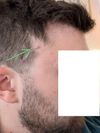
The user experienced significant hair regrowth after 3.5 months using a topical 2-in-1 from Hims, ketoconazole, and weekly microneedling. The user is 37 years old.
The conversation discusses hair regrowth using finasteride, minoxidil, ketoconazole shampoo (Nizoral), and microneedling as treatments. Users are sharing their experiences and results with these specific hair loss treatments.
The user is using topical minoxidil, topical finasteride, microneedling, and Nizoral shampoo for hair regrowth. Other users suggest the appearance of regrowth might be due to brushing hair differently.
The user is experiencing hair shedding despite using finasteride, minoxidil, and microneedling, and is concerned about the non-linear progress. Other users share similar experiences, suggesting shedding is normal and cyclical, with some recommending less frequent microneedling.
The user's hair regrowth plan includes topical treatments (RU58841, azelaic acid, ketoconazole), oral supplements (Gia Herbs, castor oil), microneedling, PTD-DBM peptide with valproic acid, red light therapy, inversion table with scalp massage, and platelet-rich fibrin injections. Commenters suggest that finasteride and minoxidil are essential treatments for male pattern hair loss, which are missing from the plan.
A user is treating hair loss with oral finasteride, topical minoxidil, and tretinoin mixed with moisturizer for easier scalp application. They also plan to use a derma pen weekly.
The user stopped oral treatments due to side effects and switched to a regimen of topical minoxidil, tretinoin, azelaic acid, and dermaneedling, with recent addition of topical finasteride. They are questioning the long-term effectiveness of non-hormonal methods and considering hair transplantation.
A user's scalp issue that may be causing their hair loss and potential treatments, such as salicylic acid, finasteride, minoxidil, ketoconazole shampoo, and visiting a dermatologist.
Clascoterone shows promising results for hair regrowth in men with androgenetic alopecia, with potential FDA approval by 2026. It acts as a topical androgen receptor blocker, offering a new treatment option with minimal side effects compared to existing treatments like finasteride.
The user has been using dutasteride, minoxidil with tretinoin, and ketoconazole shampoo for hair loss but hasn't seen improvement in temple areas. Suggestions include trying microneedling with minoxidil or considering a hair transplant, though temple transplants can be challenging.
The conversation discusses a small patch of missing hair and whether treatments like Minoxidil, finasteride, or RU58841 could help. The user is seeking advice on addressing this specific hair issue.
The user has been using minoxidil and finasteride for 7.5 months to address hair thinning, particularly at the crown and temples, and is considering additional treatments like tretinoin and dermastamping despite having chronic scalp folliculitis. They are experiencing progress but are concerned about side effects and the effectiveness of treatments on temple regrowth.
A user's 1 year progress using a combination of treatments, including Minoxidil BID, finasteride, microneedling, tretinoin, and ketoconazole shampoo, for hair loss. Replies included advice such as to consider switching the strength of minoxidil or getting a shorter haircut.
The conversation is about using DIY copper peptide (GHK CU) serum for microneedling to address hair loss, with additional treatments including Nizoral for DHT reduction and red light therapy. The user is considering adding Minoxidil but is concerned due to having cats.
User is experiencing hair loss and scalp dryness after using a topical solution containing minoxidil, tretinoin, finasteride, and hydrocortisone. They seek advice and personal experiences with this treatment.
A user with scalp psoriasis and hair loss is hesitant to use topical minoxidil and finasteride due to concerns about psoriasis and potential side effects. They are considering alternatives like pumpkin seed and saw palmetto.
User tried topical fin, dut, min, tret, hydrocortisone, microneedling, nizoral, collagen, propidren supplements, and laser helmet for hair loss with slow progress. They ask if topical spironolactone is a safer, effective alternative to RU for suppressing testosterone and treating hair loss in men.
Users discussed hair loss treatments, specifically 0.1% latanoprost with melatonin, caffeine, and biotin. Other treatments mentioned include minoxidil, finasteride, RU58841, and microneedling.
An 18-year-old experiencing mild hair thinning is prescribed ketoconazole shampoo, clobetasol, and a solution with minoxidil, finasteride, and tretinoin. They are hesitant to start finasteride due to concerns about systemic absorption and its impact on facial hair development.
The conversation discusses a hair loss treatment regimen using Alfatradiol, Pyrilutamide, and Minoxidil. The user shares their current stack of these treatments.
The conversation is about a user's progress in treating diffuse hair thinning using a topical regimen including finasteride, minoxidil, ketoconazole, microneedling, saw palmetto, collagen, and vitamins, along with lifestyle changes. The user plans to switch from topical to oral finasteride for potentially better results.
User deciding between oral and topical minoxidil, concerned about hypertrichosis and myocarditis interaction. They're using topical finasteride, LLLT, natural oils, dermastamping, and scalp massage, and considering adding oral minoxidil.
The user applies a topical solution containing minoxidil, finasteride, dutasteride, retinoic acid, and hydrocortisone to address scalp inflammation and is considering adding cetirizine to the mix. They are calculating the correct amount of cetirizine to add to their formula and have paused this approach to retry oral minoxidil.
A user shared their experience with hair loss treatments, using minoxidil, pyrilutamide, alfatrodial, and nizoral to improve hair density and thickness. They reported positive results without side effects and emphasized the importance of consistency with topical treatments.
The conversation discusses using Pyrilutamide, Alfatradiol 0.1%, and Minoxidil for hair loss treatment. Pyrilutamide is described as a strong antiandrogen, and Alfatradiol is noted for its effectiveness in inhibiting DHT on the scalp.
DHT may inhibit hair growth by affecting mitochondrial function, leading to hair follicle miniaturization. Treatments like minoxidil and PP405 may promote hair growth by altering metabolic pathways, potentially counteracting DHT's effects.
The user is experiencing hair loss after a hair transplant and is considering using fluridil (Eucapil) and possibly alfatradiol as treatments, as they couldn't tolerate finasteride or minoxidil. The manufacturer of Eucapil confirmed they won't produce higher concentrations due to lack of efficacy.
A 24-year-old male with aggressive androgenetic alopecia is using 1mg finasteride daily and considering a treatment stack including 0.5mg dutasteride, 2.5mg oral minoxidil, ketoconazole shampoo, Alpecin caffeine shampoo, and RU58841. He seeks advice on the safety and effectiveness of these treatments and whether any adjustments are needed.