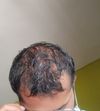
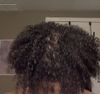
A 40-year-old used minoxidil, dutasteride, RU58841, and microneedling for one year, resulting in noticeable hair regrowth despite initial shedding. They believe having more hair is beneficial for dating at their age and also recommend staying fit, eating well, and sleeping over 8 hours.
The post discusses using a topical tincture containing zinc, azelaic acid, and other ingredients to inhibit 5 alpha-reductase activity for treating hair loss. The user plans to try this natural alternative before using finasteride or RU58841.
User has itching, dandruff, and scalp issues, considering Nizoral 1% shampoo for treatment. Nizoral's effectiveness for hair loss is uncertain due to limited research, short contact time, and concentration differences.
The user is experiencing an itchy scalp and acne while using oral dutasteride and minoxidil for hair loss. They are considering stopping minoxidil to see if symptoms improve and possibly switching to finasteride if needed.
The user has been using a Phoenix 2-in-1 pill (1mg finasteride with 3mg minoxidil), nizoral ketoconazole shampoo, and derma rolling for 9 months but continues to experience hair shedding. They are considering adding Rogaine foam and are curious about low-level laser caps for better results.
A user shared their experience with microneedling and minoxidil for hair loss, avoiding finasteride due to concerns about systemic hormone effects. They reported slight hair regrowth after one month and plan to continue the regimen, noting improvements in skin sensitivity and managing dandruff with anti-dandruff shampoo.
The conversation discusses the lack of public information on the chemical structure of PP405, a hair loss treatment, and the challenges of synthesizing it without a patent. It also explores a patent related to hydrogen-based topical formulations for reducing oxidative stress and inflammation.
Non-steroidal ways to reduce scalp inflammation include using topical melatonin, urea shampoo, Zyrtec, turmeric with black pepper, omega-3 supplements, a self-made topical solution with cetirizine, melatonin, and piroctone olamine, ketoconazole shampoo, witch hazel shampoo, tacrolimus, and lifestyle changes like a healthy diet and regular exercise. Some users also mentioned unconventional methods like infrared light therapy and a carnivore diet.
The conversation is about a user's progress in treating diffuse hair thinning using a topical regimen including finasteride, minoxidil, ketoconazole, microneedling, saw palmetto, collagen, and vitamins, along with lifestyle changes. The user plans to switch from topical to oral finasteride for potentially better results.
The conversation is about the best vehicle for RU58841, comparing trichosol and Garnier/Vichy Stemoxydine, avoiding propylene glycol (PG) or ethanol due to previous scalp damage. The user is also seeking sources for these products in the EU.
A 43-year-old from Thailand shares progress after 1 month using topical finasteride, minoxidil, tretinoin cream, and weekly microneedling for diffused thinning. Users compliment his appearance and suggest he doesn't need treatment.
The user has been using 0.5mg Dutasteride daily and topical Minoxidil but is experiencing worsening hair density and is considering switching to Finasteride, increasing the Dutasteride dose, or adding RU58841. They are also considering microneedling and have concerns about the effectiveness of generic Dutasteride compared to branded versions.
A dermatologist advised stopping minoxidil and trying redensyl serum, while also starting finasteride. Concerns were raised about increased hair loss after stopping minoxidil.
A user has been losing hair for two and a half years after a tropical trip and illness. A dermatologist prescribed betamethasone valerate 0.1% lotion, but the user is unsure if it's safe or effective for general hair loss.
The user has been using a topical solution of minoxidil 5% and finasteride 0.025% daily, along with dermastamping every two weeks and ketoconazole shampoo twice a week for four months. The treatment is for hair loss.
A 28 year old man's 18-month journey to treat his hair loss with Dutasteride, RU58841, Minoxidil, Microneedling, Nizoral and T/GEL. He experienced some side effects along the way, including translucent semen and scalp less oily.
A user discusses their rapidly receding hairline and a prescribed topical solution containing 7% Minoxidil, 0.1% Finasteride, and 3% biotinoyl tripeptide. The solution is a custom compound from their dermatologist, costing $50 for a one-month supply.
User is using a topical solution with .1% finasteride, 6% minoxidil, and .0125% tretinoin for hair loss, along with a .25 derma roller once a week. They are concerned about the necessity and potential side effects of using the derma roller.
The user applies a topical solution containing minoxidil, finasteride, dutasteride, retinoic acid, and hydrocortisone to address scalp inflammation and is considering adding cetirizine to the mix. They are calculating the correct amount of cetirizine to add to their formula and have paused this approach to retry oral minoxidil.
The user is using topical minoxidil, topical finasteride, microneedling, and Nizoral shampoo for hair regrowth. Other users suggest the appearance of regrowth might be due to brushing hair differently.
A 28-year-old male is experiencing hair loss, possibly due to seborrheic dermatitis, itchiness, or shampoo use, and is considering treatments other than minoxidil or finasteride. He plans to consult a doctor for further advice.
The user is using minoxidil, finasteride, and recently added tretinoin to address hair loss, specifically around a receding hairline. They are seeking advice on application methods and mention experiencing mild skin rashes potentially from tretinoin.
A user solved their 15-year scalp inflammation and related hair loss using Selenium Sulfide shampoo (Selsun Blue), noticing improvement after the first use and resolution after three uses. Others found relief with Ketoconazole shampoo, which also helps with hair loss.
Finasteride users often experience itchy scalps, which may improve over time, but many rely on ketoconazole shampoo to manage symptoms. Some users find that finasteride helps with hair shedding, but not with scalp irritation, which may require additional treatment.
Minoxidil is causing severe scalp irritation, including itchiness and dryness, for the user. Alternatives suggested include anti-fungal treatments, propylene-glycol-free formulations, and possibly oral minoxidil.