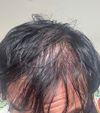
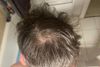
A user is frustrated with long-term hair loss despite using Dutasteride and Ketoconazole shampoo. Suggestions include trying oral Minoxidil, micro-needling, and a homemade caffeinated rosemary tonic.
A user's success in hair regrowth after taking oral and topical medications, such as minoxidil and dutasteride, and using microneedling. Other users shared their experiences and advice with treatments used to reverse hair loss.
A 25-year-old woman with androgenic alopecia is experiencing hair dryness and damage after using topical minoxidil and Nizoral. She is advised to reduce washing frequency, use a bond builder like K18, apply a silicone-based serum, and consider using a shower filter and different oils like argan oil for better hair health.
PP405 shows promise in activating dormant hair follicles and increasing hair counts but lacks detailed efficacy data compared to minoxidil and finasteride. Opinions are mixed, with some optimism and skepticism about its effectiveness.
The conversation discusses a user's plan to inject NAD+ and GHK-Cu into their scalp to improve hair health, with concerns raised about the risks of infection and necrosis. Alternatives like finasteride, dutasteride, microneedling, oral minoxidil, and scalp massages are suggested.
A 42-year-old user shares progress on hair loss treatment using finasteride, topical minoxidil, and dermarolling. They seek advice on obtaining Minoxidil pills in Europe.
The conversation discusses the safety and use of ketoconazole shampoo for hair loss, with mentions of zinc pyrithione and selenium sulfide. Users debate the safety of these ingredients, particularly zinc pyrithione, and share opinions on regulatory differences between Europe and the US.
The user is seeking advice on maximizing hair growth while using oral finasteride, topical minoxidil, Nizoral, and microneedling, and is considering adding a laser diode cap, topical finasteride, retinol, and caffeine. Suggestions include using tretinoin with minoxidil for better absorption, switching to dutasteride, and considering RU58841 or pyrilutamide.
The conversation is about hair regrowth treatments, including ketoconazole, vitamins, fish oil, collagen, pumpkin seed oil, rosemary, and dermal rolling. Users suggest trying finasteride and intense weight training to enhance results.
The conversation discusses concerns about using a high concentration of 1% topical finasteride for hairline balding, with some users suggesting starting with a lower dose. It also mentions the use of GHK-CU peptide and the importance of considering the formulation to avoid excessive absorption.
Managing seborrheic dermatitis using ketoconazole shampoo, Nizoral, and oils like MCT and coconut oil. The user considers shaving their head and consulting a dermatologist.
User shared 12-month hair loss progress using oral minoxidil, oral dutasteride, and 2% ketoconazole shampoo. They detailed their medication regimen and dosages.
The conversation is about using DIY copper peptide (GHK CU) serum for microneedling to address hair loss, with additional treatments including Nizoral for DHT reduction and red light therapy. The user is considering adding Minoxidil but is concerned due to having cats.
Maneup GHK-Cu peptide was used for hair loss, resulting in some hair growth in the receded hairline, but the new hairs were dry and split easily. Users discussed their experiences with this treatment.
PP405 shows potential for hair growth by increasing terminal hair and converting vellus hairs, but results are modest and more waiting is needed. It complements existing treatments like minoxidil and finasteride, but won't replace them.
User started DUT 3 times a week, topical minoxidil/tretinoin at night, and topical stemoxydine/alfatradiol mix with tretinoin in the morning for hair loss. They experienced significant progress and no side effects, crediting a YouTuber for encouragement.
Verteporfin treatment shows promise for hair regeneration and reducing scar tissue in hair transplants. Some users plan to try verteporfin with hair transplants, and it may also be combined with PRP in future experiments.
The user has been taking 0.5 mg of dutasteride daily and using ketoconazole shampoo twice a week for four months, but sees no significant hair loss improvement. Others in the conversation believe the user is not experiencing hair loss and suggest the user might be overly concerned about their hairline.
Monthly microneedling combined with low-dose topical dutasteride shows promising results for hair density and thickness with minimal side effects, especially in the frontal area. Despite its effectiveness, it is not widely discussed or used due to availability and cost concerns.
Microneedling on the vertex may require trimming hair to ensure needles reach the scalp effectively. Using a needle length of 1.0–1.5 mm is suggested, and longer hair might get damaged if not cut.
The user saw significant hair regrowth using topical minoxidil and finasteride, even on areas not directly treated. They used local Algerian products with 5% minoxidil and 0.1% finasteride and reported no side effects.
The conversation discusses using topical dutasteride with a dermapen for hair loss treatment. The user is deciding between liposomal and mesosomal formulations for this purpose.
Serum DHT is mostly inactive; sebum DHT is a better measure for hair loss. Users discuss using finasteride, dutasteride, and topical treatments like KX826 and RU58841 for better scalp DHT suppression.
The conversation is about a user experiencing excessive hair growth on their body due to using topical minoxidil and dutasteride. The suggested solutions are shaving off the excess hair or considering laser epilation. It is mentioned that dutasteride does not cause extra hair growth, while minoxidil can stimulate hair growth in unintended areas. The user is advised to lower the dosage, concentration, or frequency of use and only apply the treatment to the desired areas.
The user has been using finasteride for 2 years, nizoral for 1.5 years, topical minoxidil for 1 year, and microneedling for 3 months to treat hair loss but hasn't seen improvement or regrowth, even experiencing shedding with new treatments. They are concerned about continued thinning despite the treatments.
The conversation discusses using Rogaine (Minoxidil) and ketoconazole for hair regrowth, with interest in trying a formulation with Azelaic Acid for potentially better results. Concerns about Azelaic Acid's effectiveness and safety, including skin sensitivity to sunburn, are mentioned.
The post discusses using Carnitine Tartrate, Potassium Chloride, and Niacin to reduce hair shedding, with the user experiencing significant improvement. The user also suggests considering a ketogenic/paleo diet for those with insulin resistance-related hair loss.
The user experienced hair loss and itching after stopping RU58841 and resumed it to stop these symptoms. They also use Dutasteride and question which treatment is effective.
Some hair loss may be linked to chromosome 20, which isn't affected by DHT blockers like finasteride. Treatments like minoxidil, microneedling, and genetic testing are suggested, but their effectiveness for this type of hair loss is uncertain.