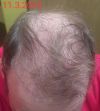
A user sharing their progress after using Fin, Minoxidil, keto diet, and microneedling for two months to attempt to regrow hair on bald temples. Other users replied with advice and support.
Oral minoxidil can cause rare facial bloating, especially at higher doses and in women. Reducing sodium intake, drinking more water, and adjusting the dose can help manage side effects.
The conversation discusses the importance of early action in various aspects of life such as healthy eating, skincare, fitness, sleep, financial planning, and career development to prevent future health issues, regret, and financial hardship. Specific treatments mentioned include using sunscreen and tretinoin for anti-aging skincare.
A user had a bad reaction to Finasteride, experiencing anxiety and fatigue, and is seeking alternative hair loss treatments since they can't use Finasteride or Minoxidil. Suggestions include trying low doses of Finasteride, making a topical version, or using other treatments like Alfatradiol, but the user is hesitant to use Finasteride again and is considering a hair transplant.
Dutasteride and finasteride for hair loss, with dissatisfaction expressed about dutasteride and consideration of switching back to finasteride. Users share varied experiences, noting individual responses to treatments differ.
A 22-year-old is experiencing aggressive hair loss despite using minoxidil and finasteride and is considering a hair transplant but lacks funds. The discussion includes advice on treatments like dutasteride, microneedling, and lifestyle changes, with mixed opinions on the timing and effectiveness of a transplant at a young age.
The conversation is about hair loss treatments, focusing on minoxidil and finasteride, with suggestions for microneedling and dermarolling to improve hair thickness. The original poster has used minoxidil for four years and finasteride for over a year but is exploring additional options for better results.
The user has been using finasteride and minoxidil for over two years but is experiencing worsening hair loss. They are considering adding dutasteride, switching to oral minoxidil, and possibly a hair transplant, seeking advice on these options despite potential side effects.
The user replaced finasteride with saw palmetto due to availability issues and experienced side effects, leading to adjustments in their regimen. They use saw palmetto, minoxidil, Nizoral, and a dermaroller, reporting reduced side effects and some benefits, with hair fall ranging from 5 to 20 hairs daily.
Oral minoxidil is effective for hair loss but can cause cardiovascular side effects, such as pericardial effusion, especially in those with genetic predispositions. Starting with low doses and monitoring cardiovascular health are advised to reduce risks.
A user shared their experience with finasteride for hair loss, noting it slowed but didn't stop their hair loss, and they quit after 1.5 years. Suggestions included trying dutasteride, adding minoxidil, and maintaining a healthy lifestyle.
A user is frustrated about early balding despite older male relatives retaining hair into old age. Another user plans to start finasteride soon to address their hair thinning.
A user reports significant hair regrowth after 3 months using finasteride, minoxidil, microneedling, Nizoral shampoo, biotin, and vitamins. They apply minoxidil twice daily, dermaroll twice a week, and use Nizoral shampoo twice a week.
Whether topical caffeine can be as effective for hair growth as minoxidil and finasteride, with various replies discussing the efficacy of these treatments and criticism of Dr. Huberman's research methods.
A user named "EgyptStar81" who has been dealing with hair loss since age 15 due to genetics, chemotherapy and finasteride/minoxidil treatment. Possible solutions such as dutasteride, oral minoxidil, hair transplants and extensions were suggested.
This user is considering using Finasteride and Minoxidil to treat their hair loss, with various opinions being shared about the effectiveness of each treatment. Others suggest that Micro-needling might also be an option for them.
This conversation was about a user's progress pictures from using minoxidil and microneedling to treat hair loss. Other users suggested finasteride as an additional treatment, while cautioning that the drug could have permanent side effects.
A 24-year-old person who is worried about their hair loss after 14 months of taking finasteride and 11 months of minoxidil. Replies to the post suggested sticking with their current regimen, that shedding from one part may not be telogen effluvium, and that shedding is normal with these drugs and they should evaluate in two to three months.
User discusses two medications for stopping hair loss: Fin (finasteride) and Dut (dutasteride). Mixed experiences and side effects are shared, with some users seeing positive results.
Use retin-a cream and maintain a good skincare routine to counteract skin issues caused by topical minoxidil. Taking sublingual minoxidil can also be beneficial.
The conversation discusses the side effects of finasteride, including low libido and erectile dysfunction, and the possibility of these effects being permanent, known as post-finasteride syndrome (PFS). Some users report personal experiences with PFS and debate whether the condition is real, with varying opinions on the reversibility of side effects and the role of individual biology.
A person struggling with hair loss is using treatments like dutasteride, oral minoxidil, and has had a hair transplant but remains deeply unhappy. Others suggest alternative treatments, acceptance, and focusing on other life aspects, emphasizing mental health and therapy.
Factors that can cause hair loss other than DHT, such as inflammation and diet, and potential treatments like scalp massages, minoxidil, citrulline, stretches, meditation, iron sulfate/Vitamin C, Vitamin D, protein and Dutasteride.
The user switched from Hims topical finasteride and minoxidil to Musely Hair Pill Bloom+, which includes minoxidil, dutasteride, and other vitamins, and noticed new hair growth but also experienced lower blood pressure. Another user ordered a minoxidil-only pill.
A 23-year-old male has been using finasteride and topical minoxidil for 14 months with slight improvement, but recent shedding led him to switch to a new minoxidil formulation without success. He is considering using topical RU58841 or dutasteride to better address scalp DHT, as his bloodwork shows high total testosterone and mid-range DHT levels.
A user is seeking advice on a new topical hair loss treatment containing Minoxidil 3%, Finasteride 0.3%, Progesterone 1%, Hydrocortisone butyrate 0.1%, and Ketoconazole 0.5%. They are concerned about the systemic absorption of Finasteride and plan to do blood tests and a spermiogram before starting.
Exosome injections stimulate hair growth by using exosomes' healing potential to awaken dormant hair follicles and promote new hair cell creation. The procedure increases scalp blood circulation, encourages collagen and elastin formation, and regenerates hair follicles, improving hair thickness and quality.
Oral minoxidil can cause cardiovascular issues, but an extended release formulation may reduce side effects like heart rate and blood pressure spikes. This newformulation offers a safer option for those who previously had to stop due to health concerns.
Gut microbiota significantly influences androgen metabolism, impacting hair loss treatments like finasteride. Probiotics, dietary changes, and fecal microbiota transplants may help manage DHT levels and improve hair health.