Stem cell-related treatments and drugs like RCGD423 and WAY are being tested for hairgrowth. Clinics are conducting tests on patients who haven't had previous treatments.
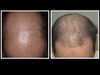
A 45-year-old from Lahore, Pakistan, shares their 7-month hairgrowth progress after starting a newhair regeneration treatment. Previous treatments with minoxidil and finasteride showed no progress.
Orient Bio is developing a PLGA formulated version of Cyclosporine A to stimulate hairgrowth without its immunosuppressant effects. Users discuss various treatments like Clascoterone, PP405, minoxidil, and tacrolimus, expressing hope for new developments and sharing personal experiences with these treatments.
Amplifica starting clinical trials for newhair loss drug. SCUBE3 protein discovered, stimulates hairgrowth, could be alternative to Minoxidil and Finasteride.
Hair loss treatments ExoFlo and XoFlo use exosomes from stem cells to stimulate hairgrowth. The user seeks feedback on results from those who tried these treatments.
A conversation about hair loss and the desire for treatments to reverse balding and grey hair. The conversation mentions the use of minoxidil (Minoxidil) for hairgrowth and the potential for it to darken grey hair. Finasteride (Fin) is also mentioned as a treatment that turned someone's blonde hair brunette.
After a hair transplant, the user is concerned about not seeing newhairgrowth at 3 months, despite using dutasteride and minoxidil. It is advised to continue the treatment as newhair typically starts growing around 4 to 6 months post-surgery.
Exosome injections stimulate hairgrowth by using exosomes' healing potential to awaken dormant hair follicles and promote newhair cell creation. The procedure increases scalp blood circulation, encourages collagen and elastin formation, and regenerates hair follicles, improving hair thickness and quality.
Clascoterone (Breezula) shows a potential 500% increase in hairgrowth, possibly outperforming minoxidil and finasteride. It is in advanced trials, with hopes for FDA approval, but cost and side effects are concerns.
The user has been using Minoxidil for 2 months and Finasteride for 1 month to address hair loss, particularly at the temples. They are questioning whether the new small hairs are facial hairs or new scalp hair.
Ketoconazole is mainly used for improving scalp health and reducing dandruff, but it is not effective for newhairgrowth. Some users find it complements treatments like minoxidil and finasteride, but results vary.
Hypoxia may enhance hairgrowth by stimulating stem cells, but it could also risk fibrosis. Some users humorously discuss extreme methods like choking while using minoxidil, highlighting the need for new treatments.
The user started using finasteride three times a week and discovered black hair powder, which improved their appearance but raised concerns about potentially blocking hair pores. They are seeking advice on whether it's safe to use the powder without affecting newhairgrowth.
Clascoterone 5% solution shows strong potential for hairgrowth, offering a new treatment for alopecia with minimal side effects. It blocks androgen receptors locally and may be available by late 2026 or early 2027.
Researchers at the University of Virginia discovered a new group of stem cells in hair follicles that could potentially restore hairgrowth. The findings suggest that activating these stem cells might offer a new way to combat hair loss, though practical treatments are still years away.
A user is seeking feedback on "Hair Gro" by New Nordic, which they are using alongside Rogaine, Nizoral shampoo, and castor oil for hairgrowth. They plan to update on their progress with the product, which contains ingredients like apple extract, millet extract, tocotrienols, tocopherol, L-Methionine, silicon, zinc, and biotin.
A 38-year-old with type 4c hair has experienced significant hair regrowth using oral finasteride and topical minoxidil for a year. They are concerned about potential shedding from a newhairgrowth serum and oil product, despite their current treatment.
The user is discussing hair regrowth after 7 months of using topical minoxidil and RU58841, with some microneedling. They are hesitant to switch to finasteride or dutasteride and are seeking input on whether there is newgrowth or just more miniaturization.
After suffering from hair loss and Seborrheic Dermatitis for three years with no improvement from various treatments, the individual found success with COQ10 and PQQ supplements, which led to newhairgrowth and a healthy scalp without flare-ups. They also plan to start additional supplements recommended by a dermatologist.
The post discusses an 18-month hair regrowth journey using finasteride and minoxidil, along with natural supplements and caffeine shampoo, showing newhairgrowth around the hairline. The individual has also scheduled a hair transplant for the end of the month.
The user has been using oral finasteride, oral and topical minoxidil, RU58841, and microneedling to treat hair loss, with recent additions of oral dutasteride, GHK-Cu serum, and increased microneedling. They report visible thickening and newhairgrowth, expecting significant improvement by next June.
A newhairgrowth spray in the UK contains finasteride 0.3%, minoxidil 5%, and tretinoin 0.01%, but some users find the finasteride concentration too high. Another brand offers a similar spray with a lower finasteride dose at a cheaper price, and some users report scalp irritation from the new spray.
The user is experiencing newhairgrowth after using oral dutasteride, topical minoxidil, and microneedling, but is concerned about black dots on the hairline, which might be clogged pores or dormant follicles. The user previously used a topical minoxidil/finasteride spray and had good results, despite a shedding phase after switching treatments.
User shares newhairgrowth stack including oral minox, daily rolling with minox application, niacin, and Dutasteride. Excited about progress and plans to update in two months.
The user reports improved hairgrowth after adding oral minoxidil and microneedling to their routine, while reducing oral minoxidil dosage due to hand swelling. They've been treating hair loss with finasteride and minoxidil since 2015, with intermittent use of minoxidil.
The user experienced noticeable hair thickening and newgrowth after two months using a topical solution of minoxidil and finasteride. Continued improvement is expected, with potential for a full head of hair after further treatment and possibly a transplant.
Pyrilutamide shows promising hairgrowth results, but skepticism exists due to potential biases and lack of blinding in the study. Concerns about side effects and legitimacy of the product persist, with comparisons to finasteride and discussions on post-finasteride syndrome.
A user shared a video suggesting that 0.5mm microneedles are most effective for hairgrowth. Other users mentioned different microneedle lengths and advised consulting a dermatologist for personalized treatment.
Hair loss treatments discussed include Minoxidil, Finasteride, and RU58841. Topical and oral spironolactone show potential in improving hairgrowth when combined with topical Minoxidil.
Exploring hair loss treatments beyond DHT, including Minoxidil, pyruvate, Gt20029 targeting androgen receptors, and vasodilators. Other options like Kx826, adenosine signaling, growth factor topicals, and microneedling are also discussed.