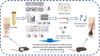
Fucoidan may help regrow hair and reduce inflammation in androgenetic alopecia. It is unclear if simply mixing fucoidan powder into a serum for application is effective.
Corticosterone inhibits GAS6, affecting hair follicle stem-cell activity, with potential implications for stress-related hair loss. Ashwagandha and Vitamin K are suggested for reducing cortisol, but their effectiveness is debated.
Microneedling stimulates hair growth through stem cell activation during wound healing, not just increased blood flow. Other methods like showers or supplements don't replicate this effect.
KX-826 is undergoing Phase III trials in China as a potential treatment for male pattern baldness, with some users considering it as an alternative or addition to finasteride and dutasteride. Opinions on its effectiveness vary, with some users reporting positive results and others finding it expensive and ineffective.
KX-826 is being considered as a potential alternative to finasteride for hair loss, but it is not expected to be more effective. Combining KX-826 with finasteride and minoxidil may provide better results than using it alone.
A new hair loss treatment, KX-826, is being discussed as a stronger and safer alternative to RU58841 and finasteride. Opinions are mixed, with some users skeptical about its effectiveness and others considering it as part of their regimen.
Dr. Kang-Yell Choi's company, CK Regeon, is developing a drug called KY19382 for hair regeneration, which involves creating fine wounds to activate stem cells. The drug is in the formulation development stage, targeting markets like the US and Korea.
First patient dosed with Pyrilutamide (Kintor) Phase III for hair loss treatment. Pyrilutamide differs from approved treatments as it competes with DHT to bind hair follicles, potentially reducing side effects.
PP405, a potential hair loss treatment, is facing delays in releasing Phase 2 results, causing frustration among users who compare it to past failed treatments. Despite skepticism, some remain hopeful about PP405's future, while others discuss alternative treatments like Clascoterone and its expected market release.
Osteopontin, a protein involved in hair growth on moles, may help with hair loss. However, it is also linked to Alzheimer's, cancer, and bone development, so caution is advised.
Follicum discovered that their drug FOL-005 increased hair count by 12 hairs per cm2 in patients with less than 255 hairs per cm2 and is planning a phase 2b trial. They are currently fundraising for the trial, and the drug may also be effective for women.
Pelage is delaying the start of phase 3 trials for PP405 to 2026 due to necessary regulatory processes, despite having $120 million in funding. Users discuss the potential of PP405 for hair regrowth, with some expressing skepticism and others hopeful for new treatments like Breezula.
The user successfully reduced hair loss using pumpkin seed oil, Nizoral shampoo, and astaxanthin without using minoxidil or finasteride. They observed significant improvement over 12 months and believe the combination of treatments is effective.
PP405 is a potential hair loss treatment that inhibits mitochondrial pyruvate carriers, increasing lactate dehydrogenase activity and stimulating hair follicle stem cells. In a phase 1 trial, 31% of participants showed over 20% hair density increase with PP405 treatment.
Follica's preferred microneedling protocol for hair growth, which includes needle depth, frequency and movement parameters as well as the use of topical treatments such as minoxidil and finasteride.
KX-826 (Pyrilutamide) 0.5% and 1.0% solutions showed promising results in increasing hair count for male androgenetic alopecia, with the 0.5% dose slightly outperforming the 1% dose. The treatment was well-tolerated with no sexual side effects, but skepticism remains due to past inconsistencies in trial results.
The user is exploring KX-826 as a potential hair loss treatment due to intolerance to FDA-approved drugs like Minoxidil and finasteride. They seek fundamental help and information about KX-826.
The user observed that stopping nicotine and caffeine improved their scalp health while using oral finasteride. However, relapsing with caffeine and nicotine caused scalp tightness and inflammation.
Kintor Pharma finished enrolling and dosing participants in a Phase I trial for a hair loss treatment called AR-PROTAC (GT20029). The effectiveness of another drug, pyrilutamide (KX-826), for hair loss will be clearer after a Phase 2 trial expected to complete in January 2023.
KY19382 is discussed as a potential treatment for creating new hair follicles and possibly curing hair loss. The conversation seeks user experiences and sourcing information for KY19382.
KX-826 may cause increased hair loss for some users, leading to concerns about its effects. One user reported no issues but also no hair regrowth, only maintenance.
A user plans to create a DIY topical treatment for hair loss using Rapamycin, possibly combined with alpha-ketoglutaric acid (a-KG). They discuss the concentration and formulation process for Rapamycin, considering safety and skin penetration, and intend to apply it every other day to the scalp.
Kintor is starting a phase III trial for KX-826 combined with minoxidil for hair loss. Opinions vary on the potential success of the treatment, with some skepticism expressed.
The conversation discusses using GFM Gel, a topical gel with polypeptides that mimic growth factors to promote hair regrowth and strengthen hair. It also mentions treatments like Minoxidil, finasteride, and RU58841 for hair loss.
The conversation is about a user trying a new hair loss treatment, Ruxolitinib, alongside their existing regimen of finasteride, minoxidil, ketoconazole shampoo, and microneedling. They plan to apply Ruxolitinib to their temples daily for 1-2 months.
KPV, a peptide patented by L'Oreal, may promote hair growth and reduce hair loss by extending the anagen phase and has anti-inflammatory properties. It could be combined with treatments like minoxidil for enhanced effects.
BPC-157 may promote hair growth by increasing angiogenesis, similar to how Minoxidil works, though no direct research confirms this yet. Users report combining BPC-157 with Minoxidil and finasteride for better results, but concerns about long-term safety exist.