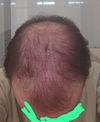
The conversation discusses hair loss treatments, specifically Minoxidil, finasteride, and RU58841. It also inquires about the timeline for the GT20029 phase 3 trial by Kintor.
The user is using a combination of hair loss treatments including dutasteride, minoxidil, RU58841, low-level laser therapy, ketokonozole, supplements, Viviscal, Nutrafol, microneedling, PRP, and scalp Botox injections, but is still experiencing hair shedding and thinning. Despite being on this regimen for two years, the user's hair condition is worsening, and they are seeking advice on what else they can do.
The user is currently using finasteride and minoxidil and is considering adding microneedling and either RU58841 or Pyrilutamide for potential hair regrowth. They previously used microneedling, RU58841, and oral minoxidil before their hair transplant.
Users discuss using pyrilutamide for hair loss, seeking alternatives to 5AR inhibitors. They mention using minoxidil, ketoconazole shampoo, and RU58841.
The user is using a hair loss treatment regimen that includes double the recommended dose of Minoxidil foam once nightly, a mix of RU58841 and stemoxydine after the Minoxidil dries, ketoconazole every other day, and weekly microneedling with alternating depths. They are also considering starting finasteride soon.
The user has tried many hair loss treatments including dutasteride, oral and topical minoxidil, topical finasteride, PRP, and microneedling without much success and is now using RU58841, seeing initial vellus hair growth but no further improvement after 5 months. They are inquiring about the effectiveness of RU58841 after 6-12 months of use.
Amplifica starting clinical trials for new hair loss drug. SCUBE3 protein discovered, stimulates hair growth, could be alternative to Minoxidil and Finasteride.
The user is asking if they are experiencing hair regrowth while using a treatment regimen that includes hair regrowth gel with castor oil, minoxidil 5% with latanoprost, dermastamping once a week, ketoconazole shampoo, and nizoral cream. They have shared photos after applying these treatments.
Rapamycin, finasteride, and minoxidil are discussed as a strategy for hair loss prevention and reversal. Pulsed dosing of rapamycin is suggested to avoid conflicting effects with minoxidil.
The conversation is about hair loss treatments, specifically the anticipation for the release of a new treatment, GT20029, by 2028. Users are discussing their experiences with current treatments like finasteride and dutasteride, and the potential of future treatments, including FAK inhibitors and verteporfin trials.
Finasteride helped stop hair loss progression and slightly thickened hair, but reduced beard and chest hair growth. The user also uses ketoconazole shampoo for scalp itchiness.
Finasteride is effective for DHT/AR-driven hair loss but not for chromosome 20-driven cases, where treatments like minoxidil, prostaglandin analogs, and low-level laser therapy may be more beneficial. Genetic testing can help determine the underlying cause of hair loss to tailor treatment effectively.
The conversation discusses hair regrowth progress using Minoxidil, Biotin, Finasteride, and Ketoconazole, with microneedling stopped after 8 months. The user is questioning the effectiveness on temple areas after 1.7 years of treatment.
A new "third cell" discovery in Japan could be key to fully regenerating hair follicles, with human trials possibly starting in 2027-2028. AI is expected to accelerate medical discoveries, potentially leading to a hair loss cure within a few years.
The conversation discusses using Rogaine (Minoxidil) and ketoconazole for hair regrowth, with interest in trying a formulation with Azelaic Acid for potentially better results. Concerns about Azelaic Acid's effectiveness and safety, including skin sensitivity to sunburn, are mentioned.
A 16-year-old started using ketoconazole 2% and redensyl for hair loss, as minoxidil and finasteride are not recommended until age 18. They are seeking feedback on whether the treatment is effective or maintaining their hair.
The conversation discusses microneedling techniques and the use of Minoxidil, copper peptides, EGF, FGF, ceramides, and hydration serums to enhance hair growth. It explores optimizing scalp conditions and the potential benefits of various compounds in conjunction with microneedling.
A trial of verteporfin for hair regeneration, with pictures comparing the original and current status, as well as links to other resources discussing the efficacy of this treatment in combination with Minoxidil, Finasteride, and RU58841.
The user experienced hair loss since 2019 and tried finasteride, dutasteride, RU58841, and ketoconazole shampoo without success. A scalp biopsy showed scarring and inflammation from folliculitis, indicating chronic inflammation was affecting treatment effectiveness.
Hair loss treatments are advancing, with Coegin Pharma's FOL005 expected this year and Breezula potentially later. Pyrilutamide is available but not very effective, while Kintor's products face skepticism; traditional treatments like finasteride and minoxidil remain dominant.
The user plans to use a "nuclear protocol" for hair improvement, including topical minoxidil 12.5%, topical finasteride 0.1%, and tretinoin 0.05%, with microneedling once a week. They have seen improvements with minoxidil and are seeking opinions on their approach to achieve thicker hair.
Triple Hair Inc. developed a new topical treatment, TH07, combining Finasteride, Latanoprost, and Minoxidil for androgenic alopecia. Users discussed its effectiveness compared to other treatments and shared their own product combinations.
The conversation is about hair loss treatments, specifically Pyrludimide (KX-826) and Breezula (clascoterone), with the user unable to tolerate finasteride and dutasteride. The user plans to use these treatments alongside minoxidil, considering the efficacy and availability of each option.
A user is considering mixing fast-drying minoxidil with Kirkland minoxidil to reduce greasiness and drying time. They also use liquid minoxidil to apply RU58841 powder.
Microneedling is supported by research as an effective adjuvant treatment for hair loss, especially when combined with Minoxidil or Finasteride, with minimal side effects if done properly. Concerns about long-term safety and potential risks like infection or fibrosis remain, but many users report positive results.
A 24-year-old male with aggressive androgenetic alopecia is using 1mg finasteride daily and considering a treatment stack including 0.5mg dutasteride, 2.5mg oral minoxidil, ketoconazole shampoo, Alpecin caffeine shampoo, and RU58841. He seeks advice on the safety and effectiveness of these treatments and whether any adjustments are needed.
PP405 increased hair density by 20% in 31% of participants, but results are considered underwhelming. Minoxidil and finasteride are seen as more effective treatments.
The user stopped using finasteride due to side effects and switched to RU58841, which seems to be working for hair regrowth. They are considering RU58841 and minoxidil as long-term treatments, while others discuss the safety and effectiveness of these options.
RU58841 is more effective when mixed with isopropyl alcohol instead of minoxidil, as water in minoxidil degrades RU58841. Applying RU58841 separately from minoxidil, with an hour gap, enhances hair growth results.