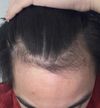
The conversation discusses hair loss treatments, specifically dutasteride, oral minoxidil, and microneedling. Users inquire about side effects, brands, and suggest using topical minoxidil.
Adenosine is discussed as a potential treatment for hair loss, with mentions of its presence in certain shampoos and Minoxidilmax products. Users express interest in topical adenosine but are cautious about sourcing it from places like Amazon or Alibaba.
The user experienced an elevated heart rate from using topical Minoxidil and discontinued its use. They found that adding a daily protein shake helped with telogen effluvium.
Using Nizoral shampoo intermittently and reassessing scalp condition after each bottle, potentially adding in other tools to target seb derm, and alternating between Pura D'Or and Nizoral for a healthy and clean scalp.
Some hair loss may be linked to chromosome 20, which isn't affected by DHT blockers like finasteride. Treatments like minoxidil, microneedling, and genetic testing are suggested, but their effectiveness for this type of hair loss is uncertain.
The user plans to use a "nuclear protocol" for hair improvement, including topical minoxidil 12.5%, topical finasteride 0.1%, and tretinoin 0.05%, with microneedling once a week. They have seen improvements with minoxidil and are seeking opinions on their approach to achieve thicker hair.
The user is likely at Norwood 4 and is advised to use oral finasteride and topical minoxidil, with the option of a hair transplant after two years for a better hairline. Finasteride and minoxidil are considered sufficient to maintain and slightly improve current hair.
The user experiences histamine intolerance with alcohol-based hair loss treatments like Rogaine foam and seeks alternatives. Suggestions include alcohol-free and PPG-free topical minoxidil or finasteride, and trying Spectral products with different solvents.
A 36-year-old considering a fourth hair transplant is advised to either shave his head or use a hair system due to poor results from previous transplants and late medication use. He plans to consult top surgeons and adjust his current treatments, including finasteride and minoxidil.
The user experienced improved hair density after switching from 5mg to 2.5mg oral Minoxidil post-esophagus surgery, suggesting a possible link between gut health and hair growth. They theorize that long-term medication may have blocked nutrient intake, affecting hair regrowth.
Pelage Pharmaceuticals raised $120M for their hair loss treatment, PP405, showing strong investor confidence despite limited data. There is skepticism about its efficacy and long-term effects compared to treatments like GT20029.
PP405 might take 3-4 years to be available, but some claim Everychem offers a similar product, though its effectiveness is debated. Users discuss the risks of using untested grey market products and the potential for adverse effects.
A user's successful hair regrowth journey using a cocktail of finasteride, minoxidil, and ketoconazole. The user started seeing noticeable results after 8 months and also incorporated saw palmetto, biotin, keratin, and dermarolling into their routine.
The conversation is about using topical melatonin for hair loss and seeking advice on a safe mixing solution or pre-mixed product. Specific treatments mentioned are minoxidil, finasteride, and RU58841.
A user shared their hair transplant journey, showing progress from February 2021 to May/June 2024. They now use finasteride, minoxidil, biotin, and Nizoral shampoo, and are happy with the results.
Quercetin and houttuynia cordata extract may stimulate hair growth by enhancing cellular energy metabolism and increasing growth factor secretion. Quercetin has low oral bioavailability, and its natural tint might stain the scalp if used topically.
The conversation discusses the synthesis and potential use of JXL069 and PP405 for hair loss treatment, with skepticism about their effectiveness and concerns about safety. Users mention that JXL069 has shown no results in hair growth, and there is confusion about its identity and effectiveness compared to PP405.
Parasites in the gut may contribute to hair loss by depleting essential nutrients and disrupting hormone balance. An imbalance of hormones, not just DHT, could be a factor in androgenic alopecia.
The conversation discusses the differences between KB solution and PG + Ethanol solution for RU58841 in treating hair loss. It compares the effectiveness and properties of these two solutions.
The conversation is about a person's two-year hair regrowth progress using finasteride, minoxidil, ketoconazole, and microneedling. They are comparing their hair from April 21, 2022, to April 13, 2024.
A user's nine-month journey of hair growth with treatments including finasteride, minoxidil, and nizoral; some participants thought the user had a hair transplant while others disagreed.
The user is hesitant to start a hair loss treatment regimen with Finasteride, Minoxidil, a derma stamp, and Nizoral shampoo due to concerns about potential side effects, despite being motivated by success stories. They seek advice from others who have faced similar dilemmas or have started treatment despite initial fears.
Creatine does not directly cause hair loss, but it may increase DHT levels, which can affect hair. Some users report hair shedding with creatine, while others experience no hair loss.
The user shared their hair regrowth progress using a combination of treatments including finasteride, dutasteride, minoxidil, tretinoin, Sulfogenz, KX-826, low-level laser therapy, and microneedling. They plan to continue medication for another year before considering a hair transplant, noting steady improvement but not major changes.
A 49-year-old is updating on hair regrowth progress using finasteride, minoxidil foam, tretinoin cream, and ketoconazole shampoo. They report thicker, darker hair and reduced scalp itch after switching to minoxidil foam.
Creatine at 2.5 g/day did not affect DHT levels in the user, suggesting it may not cause hair loss through DHT. The user used minoxidil during the experiment but did not use finasteride or other DHT-reducing medications.
Amino acids, particularly Cysteine, are important for hair growth and may be lacking in a normal diet. Using a protein powder that includes these amino acids can help improve hair growth and strength.
Dutasteride Mesotherapy for hair loss is discussed, noting its potential to lower scalp DHT without side effects. Concerns include the inconvenience of injections, lack of reputable studies, and availability issues.
A user's progress with treating hair loss, using minoxidil, finasteride and microneedling. The user experienced impressive results after four months of treatment, and mentioned that stopping recreational drugs and losing weight helped their hair regrowth.