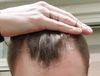
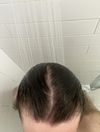
The user is seeking alternative hair loss treatments due to side effects from finasteride and minoxidil. They are inquiring about the availability of gt20029 from u-lab.
The user shared minimal results from using JXL-069 for hair loss, noting a slight lengthening of vellus hairs and plans to switch to a prodrug variant due to limited effectiveness. They also mentioned using finasteride and minoxidil, which have plateaued in results.
Clascoterone 5% solution shows strong potential for hair growth, offering a new treatment for alopecia with minimal side effects. It blocks androgen receptors locally and may be available by late 2026 or early 2027.
A user shared their 2-month progress using Minoxidil, Finasteride, Keto shampoo, and microneedling for hair growth, reporting positive results. They plan to continue and update the community.
A human trial involving verteporfin for hair regeneration, with the results showing some regrowth of 1-2 hairs in an area where a follicular unit was extracted. The conversation also suggested that future studies should involve higher doses and more frequent injections.
Pelage plans to release phase 2 results and start phase 3 trials for PP405 in 2050, but skepticism remains due to past delays and unfulfilled promises. Users express frustration over the lack of progress in hair loss treatments, mentioning Minoxidil, finasteride, RU58841, CB-03-01, and Fluridil.
The conversation discusses Breezula, a hair loss treatment, and its Phase 3 clinical trial recruitment at 50 locations. Specific treatments mentioned include Minoxidil, Finasteride, and RU58841.
A 15-year-old is seeking advice on preventing hair loss, identified as Norwood level 2, and wants tips for growing long hair. They have consulted a trichologist who recommended specific shampoos.
The post discusses using a combination of Dutasteride, Minoxidil, Ketoconazole, Estradiol, and Spironolactone for hair regrowth. Users suggest it needs more time and possibly a transplant, with some sharing personal experiences and side effects of similar treatments.
The user is likely at Norwood 4 and is advised to use oral finasteride and topical minoxidil, with the option of a hair transplant after two years for a better hairline. Finasteride and minoxidil are considered sufficient to maintain and slightly improve current hair.
PP405 is discussed as a potential hair growth stimulant, possibly more effective than minoxidil, but not a cure for hair loss. There is skepticism about its ability to regrow "deadzones," and concerns about its impact on those with hair transplants.
User regrew lost hair using microneedling, minoxidil, finasteride, Nizoral, fish oil, and collagen peptide. Progress was slow but constant, and patience was important.
Topical dutasteride with microneedling is effective for androgenetic alopecia, improving hair thickness and density. Further research is needed to confirm long-term efficacy.
A user shared their successful hair loss treatment using RU58841, topical minoxidil, and microneedling, noting significant improvement over three months. They chose RU58841 over finasteride due to personal preference and reported no side effects, while others discussed their experiences with different treatments and supplements.
The user is currently using finasteride and minoxidil and is considering adding microneedling and either RU58841 or Pyrilutamide for potential hair regrowth. They previously used microneedling, RU58841, and oral minoxidil before their hair transplant.
The user is experiencing severe hair loss, possibly due to telogen effluvium, after stress, poor nutrition, and hormonal changes. They are using Nizoral and supplements but are considering hormonal treatments like spironolactone despite previous side effects.
The conversation discusses the potential role of prolactin in hair loss and mentions treatments like HMI115, mucuna pruriens, Zinc, and B6 P5P for lowering prolactin levels. It also touches on the use of natural compounds and the lack of studies due to funding issues.
Hair loss treatments, including microneedling, minoxidil, finasteride and RU58841; the efficacy of these treatments; criticisms of Kevin Mann's content related to his selective data presentation and biases towards certain treatments; and other topics such as DHT being labeled a "trash hormone" and critiques of other hairloss YouTubers.
The conversation discusses various hair growth treatments, including topical and oral minoxidil, microneedling, LLLT, PRP, exosomes, latanoprost, copper peptides, and upcoming treatments like PP405 and Vdphl01. It also covers managing side effects of minoxidil, such as dry scalp, and mentions the use of dutasteride and finasteride for hair loss.
Hair loss treatment using minoxidil and finasteride, with the user experiencing a shed after reducing the frequency of application and stopping microneedling. The user is now waiting for new hair growth and hoping to see similar results as before.
User achieved hair regrowth using 1 mg oral finasteride, topical minoxidil twice daily, and occasional microneedling. They are happy with the progress despite still having thin hair on top.
The user shared their two-month progress using 5% topical minoxidil and microneedling without finasteride, noting significant hair growth. Other users suggested adding ketoconazole shampoo and discussed microneedling depths, while some expressed skepticism about long-term results without a DHT blocker.
A 29-year-old is using oral minoxidil, finasteride, hormone replacement therapy (HRT), and microneedling for hair regrowth. They started balding at 20, worsened at 25, and are transitioning with testosterone blockers.
GT20026 is discussed as a potential treatment for hair loss that targets androgen receptors without affecting hormone levels, but it may not promote significant regrowth. It is expected to be available by 2028, with other treatments like Breezula and Clascoterone also mentioned.
A user's progress with using Minoxidil, finasteride, and microneedling to treat hair loss; another user mentioned a Japanese study that found better results for hairy individuals on finasteride.
A human trial of verteporfin, a drug that can inhibit wound healing by scarring and promote regeneration of original tissue and hair follicles to provide an unlimited source for hair transplants; people discussed the potential of this drug and how it could be rolled out in mainstream with more doctors getting on board.
The user experienced significant hair regrowth and improved hair density after four months using finasteride, minoxidil, and microneedling, avoiding the need for a hair transplant. They plan to continue their current routine due to positive results and are not considering switching to dutasteride.