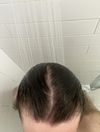
Heavy nicotine use can lead to hair thinning and loss, but quitting can reverse these effects. The user noticed significant hair regrowth after quitting vaping.
A 20-year-old male has been using Minoxidil, Finasteride, and Nizoral for 9 months to treat hair loss. Despite the treatment, he believes his condition has worsened and he's experiencing intense shedding.
The conversation discusses a hair loss treatment called "nanoxidil," which is similar to minoxidil but with better absorption. Users are curious about its effectiveness for hair regrowth.
Topical diazoxide may be a promising hair regrowth treatment, especially for those who don't respond to minoxidil, as it activates potassium channels without needing sulfation. It appears safe for topical use, avoiding systemic effects seen in oral use.
The conversation discusses hair loss treatments, including minoxidil, finasteride, biotin, folic acid, zinc, micro-needling, niacin, and cipaxil, with the user preparing for a hair transplant. The user experiences side effects with topical finasteride and is hesitant to try oral dutasteride.
The user experienced hair regrowth and reduced dandruff using ketoconazole shampoo mixed with peppermint oil, without side effects. Minoxidil caused unwanted facial hair, and finasteride had side effects, so they avoided these treatments.
The conversation discusses Peptonix microneedling, a copper peptide serum, as a potential hair loss treatment. Users compare it to finasteride and minoxidil, noting side effects and personal experiences with these treatments.
Hair loss treatments discussed include Minoxidil, Finasteride, RU58841, and Nizoral shampoo. Nizoral's effectiveness is debated, with some suggesting it works as a weak antagonist for androgen receptors, while others attribute its benefits to anti-fungal and anti-inflammatory properties.
A regimen for hair loss, which includes using Nizoral shampoo twice daily, Minoxidil foam from the can, 5mg of Propecia crushed and snorted on weekends, and dermastamping directly to the head of the penis. Replies discuss potential sides and other treatments, as well as the idea that confidence is more attractive than hair.
The conversation discusses the use of pyrrolidinyl diaminopyrmidine oxide (triaminodil) compared to minoxidil for hair loss treatment. The user is considering switching from 5% minoxidil to a product containing 5% triaminodil.
Nizoral 1% shampoo can be used continuously for hair loss, but it may cause dryness, which can be managed with conditioners. Some users combine it with other treatments like minoxidil and AHK-Cu for better results.
The conversation is about dealing with dry scalp caused by using Nizoral shampoo. Suggestions include using medicated scalp solutions, drinking more water, trying different shampoos and conditioners, and using oils like coconut or olive oil.
Clascoterone solution is in Phase III trials for male androgenetic alopecia, with results expected in the second half of 2025. Commercialization is anticipated in about 2-3 years, but there are concerns about delays and market expectations.
A user experienced significant hair regrowth from Xeljanz after severe alopecia but can no longer afford it. They are seeking ways to obtain the medication despite its high cost and potential side effects.
The user started treating hair loss with minoxidil, Nizoral shampoo, dermarolling, and castor oil, and noticed small hairs growing at the temples. They plan to add biotin and azelaic acid to their routine but are avoiding finasteride due to potential side effects.
Aminexil, nanoxidil, stemoxydine, and kopexil are discussed as alternatives to minoxidil for hair growth, with concerns about dependence. Minoxidil is noted for its effectiveness in transitioning hair growth phases, but dependence is mainly linked to androgenic alopecia.
The conversation discusses the completion of a Phase II trial recruitment for Breezula (CB-03-01), a potential treatment for androgenic alopecia. Specific treatments mentioned include Minoxidil, Finasteride, and RU58841.
The user is addressing hair loss with scalp botox, scalp massage, nizoral shampoo, various vitamins and supplements, and natural nitric oxide boosters like citrulline malate and beetroot powder. They are also considering a mouthpiece to reduce snoring and improve sleep.
The conversation is about a user obtaining a compounded treatment for hair loss, including 0.1% latanoprost, 0.2% melatonin, and 1% cetirizine. The user also uses 2.5 mg dutasteride, 5 mg minoxidil, and RU58841 daily, and is at Norwood 2.
The conversation discusses the potential of topical cetirizine (Zyrtec) for hair growth in comparison to minoxidil, noting cetirizine's ability to reduce prostaglandin D2, which inhibits hair growth. Users share mixed experiences with cetirizine for allergies and scalp health, and there's a mention of the risk of dementia with long-term antihistamine use.
The user shared progress pictures of their hair after using Minoxidil and recently adding finasteride to their daily treatment. They are seeking feedback on their progress.
Using Nizoral shampoo intermittently and reassessing scalp condition after each bottle, potentially adding in other tools to target seb derm, and alternating between Pura D'Or and Nizoral for a healthy and clean scalp.
The user is experiencing a burning sensation from using minoxidil and is considering trying an alcohol-free version with added azelaic acid. They are also using finasteride and seeking reliable, low-cost alternatives for minoxidil.
The user shared their experience with CB-03-01 (Breezula/Clascoterone) for hair loss, noting reduced shedding and improved hair appearance but experiencing significant sleep disturbances and low energy due to HPA axis suppression. They decided to stop using it due to these side effects and are waiting for GT20029 as an alternative.
Zinc pyrithione and piroctone olamine are effective for reducing hair shedding, possibly more so than ketoconazole. There is a concern about zinc pyrithione shampoo interfering with minoxidil, but it's unclear if this is proven.
Breezula® (Clascoterone) showed promising results in a Phase 2 trial for treating hair loss, being as effective as Propecia with no serious side effects. It might be released between 2021-2022, and a related acne treatment with the same active ingredient could be used in the meantime.
The user visited a trichologist due to ineffective topical finasteride treatment for hair loss. The trichologist recommended a new regimen including a two-month course of locoidon (cortisone 0.1%), followed by a solution containing minoxidil, hydrocortisone butirrate, estrone, progesterone, tocopherol acetate, trichosol, and transcutol.
The conversation discusses hair loss treatments, specifically Breezula, Minoxidil, finasteride, and RU58841. Participants express curiosity about Breezula's safety and its steroidal nature.
The user is using topical finasteride, minoxidil, nizoral shampoo, and microneedling for hair regrowth but hasn't seen results after 2-3 weeks. They added tretinoin to their routine and are advised to wait a few months for potential changes.