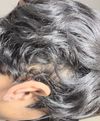
A hair loss regime consisting of finasteride, minoxidil and microneedling that was started 4 months ago with minimal side effects reported. The user also uses Nizoral once a week.
The conversation is about a person's hair loss treatment routine, which includes Metformin, sleep in darkness, avoiding EMF at night, Nizoral, Dermarolling, Castor oil, and Collagen. They have observed less hair shedding and increased hair volume.
A 19-year-old female is experiencing significant hair loss, with symptoms including alternating hair colors and thinning body hair. She seeks advice on coping and potential treatments, with suggestions to consult a dermatologist and check thyroid and hormone levels.
A user is concerned about hair shedding despite noticeable regrowth after 7 months of using finasteride. The dermatologist confirmed positive results, but the user remains skeptical and confused.
A user's experience with microneedling monotherapy and potential treatments such as finasteride, minoxidil, Stemoxydine, rosemary oil, peppermint oil, and RU58841 for reversing hair loss.
A user experienced a burning, itchy scalp and hair thinning despite trying finasteride, steroid cream, antihistamines, various shampoos, and supplements. They seek advice on relieving the itch, hoping it will improve hair health.
Feeding bacteria-free mice with Lactobacillus murinus worsened hair loss, but a regular diet with biotin stopped it. The conversation suggests gut bacteria and diet may influence hair loss, with some skepticism and discussion about other factors like DHT and genetics.
A user's 14-month journey with finasteride, microneedling, and Nizoral to treat hair loss. They experienced some side effects such as ball ache, needing to pee constantly, and less semen, but the results were generally positive.
The conversation is about a person experiencing hair loss, using topical minoxidil for 8 years, now at Norwood scale 3, and considering topical spironolactone and oral minoxidil after a tricho test recommendation. They are seeking others' experiences with topical spironolactone.
User Arrosis shared their 1-week experience using Pyrilutamide for hair loss, noticing reduced shedding and increased libido but also experiencing headaches, dizziness, and nipple sensitivity. They plan to try a lower frequency to see if it helps with side effects.
The user is experiencing hair shedding after using minoxidil and is considering switching to dutasteride while planning to increase their oral minoxidil dose. They also use nicotine pouches, Vyvanse, and GHK-Cu, and have noticed thicker eyebrows and lashes from oral minoxidil.
The conversation is about choosing between Ketoconazole/Nizoral 1%/2% or selenium for dandruff. The user also mentions starting finasteride soon for androgenetic alopecia.
A 15-year-old is concerned about hair loss, possibly at Norwood 2 or 3, and is using shampoos and conditioners recommended by a trichologist. Suggestions include considering topical minoxidil and consulting a doctor about topical anti-DHT treatments like finasteride or RU58841, but avoiding 5-alpha-reductase inhibitors at this age.
The user shared their 5-month hair regrowth progress using oral finasteride daily, topical minoxidil twice daily, derma stamping weekly, castor oil weekly, and the Nioxin system kit. Replies praised the results and inquired about the timeline and side effects.
The user improved hair health by using a topical spray with Minoxidil (7%) and Finasteride (0.3%), switching to Nizoral shampoo with 1% ketoconazole, and applying a multi-peptide serum for hair density. They emphasize the importance of maintaining a healthy scalp for effective hair regrowth.
The user added P5P (vitamin B6) to their shampoo to reduce scalp itch, which improved significantly. They have been using finasteride for hair loss but are exploring additional treatments like topical antiandrogens and prolactin inhibitors.
A 25-year-old male with seborrheic dermatitis and hair thinning seeks advice on the severity of his condition and treatment options. Oral finasteride and oral minoxidil are recommended as the most effective long-term treatments.
Cosmo Pharmaceuticals has enrolled about 850 out of 1400 patients for their phase 3 clinical trials of clascoterone (Breezula) and claims to be on schedule. The conversation is about hair loss treatments.
User experienced scarring from microneedling at fast speed and paused treatment for 3-4 weeks to recover. Advice given includes waiting a full month for recovery to avoid scars.
The user has been using finasteride for 2 years, nizoral for 1.5 years, topical minoxidil for 1 year, and microneedling for 3 months to treat hair loss but hasn't seen improvement or regrowth, even experiencing shedding with new treatments. They are concerned about continued thinning despite the treatments.
A user shared their initial experiences with The Ordinary hair density serum, which contains Redensyl (taxifolin). They observed increased hair volume but also developed pimples, likely due to the serum stimulating sebaceous glands.
The user has been experiencing severe scalp itching and red spots after using finasteride for two years, suspecting possible allergies or a fungal infection. Despite trying ketoconazole shampoo and stopping saw palmetto supplements, the symptoms persist, leading to increased hair loss.
A user started finasteride for hair loss and saw improvement, but is now experiencing shedding and thinning in new areas. They added Nizoral due to dandruff caused by finasteride. Replies suggest that shedding is normal around 6 months and advise to stick with the treatment.
A user's progress with hair growth using oral minoxidil, oral dutasteride and Nizoral shampoo every once in a while. Replies indicate that the user has seen good results from this treatment, including thickening and darkening of their hair.
Male pattern baldness can occur with or without an oily scalp, but an oily scalp and seborrheic dermatitis can worsen the condition. Treatments like finasteride, minoxidil, and ketoconazole shampoo are used, and managing diet and scalp care can help control symptoms.
The user improved their hair loss from a Norwood scale 2.5/3 to 1.5/2 using treatments including 2.5 mg dutasteride, RU58841, 15 mg oral minoxidil, isoflavones, NAC, pumpkin seed oil, NAD+, and Vipelin, but still experiences temple recession. Other users expressed concern over the high dosages of oral minoxidil and dutasteride.
The user noticed hair thinning since age 15, initially attributed to a Vitamin D deficiency. They are currently using Rogaine and considering Propecia but are hesitant about a scalp biopsy; they seek financially practical treatments for male-pattern baldness.
HMI-115, a potential treatment for hair loss that can reverse miniaturization and make individual hairs thicker, as evidenced by data from macaques given the treatment and one subject in the phase I trial.