Search
for
Sort by
Community Join
480-510 / 1000+ resultscommunity Adding Creatine while on fin + min has caused my skin to become red and terrible
Adding creatine while using finasteride and minoxidil caused skin irritation and hair thinning. Creatine may affect DHT levels, leading to these issues.
community 9 months of treatment as an aggressive diffuse thinner
The user has been using oral minoxidil, dutasteride, RU58841, and other treatments for hair loss over nine months, seeing some improvement in hair thickness and crown volume but continued thinning at the hairline. They plan to continue treatment for another nine months despite being sensitive to DHT fluctuations and are considering increasing dosages or other options like a hair transplant.
community Completely defeated after trying so hard with topical finasteride.
A user who has tried multiple treatments for hair loss, including oral and topical finasteride and liposomal finasteride, but experienced severe side effects in each case; the user is considering trying RU58841 or aromatise inhibitors as alternatives.
community Oral Minoxidil and the "Facial Bloating" - what the research actually says
Oral minoxidil can cause rare facial bloating, especially at higher doses and in women. Reducing sodium intake, drinking more water, and adjusting the dose can help manage side effects.
community Can’t compete with this kid (6 months: 1mg finasteride, 2mL minoxidil daily)
TurboMoe has been using 1mg finasteride and 2mL minoxidil daily for 6 months to reverse his frontal hair loss, with good results. He previously used finasteride in his 20's but stopped before having children due to low sperm count; he stayed off it until his last child was born.
community Lost ground on Dut, Min, RU, etc (5 yrs… 2021->2026)
The user has been using a combination of treatments including Dutasteride, Minoxidil, RU58841, ketoconazole shampoo, microneedling, and low-level laser therapy to address hair loss but continues to experience shedding and density loss. Despite high testosterone and iron levels, the user is frustrated with the lack of improvement and is considering adjusting treatment or exploring other options like a hair transplant.
community M29 Struggling with motivation on Fin/Min - is it all in my head?
A 29-year-old is struggling with motivation while using finasteride and minoxidil for hair loss, experiencing side effects like low libido. They have seen some hair growth but are unsure whether to continue treatment or shave their head again.
community This Is A Minoxidillo. Could It Hold The Key To Solving Hair Loss?
The conversation is about different treatments for hair loss, including minoxidil, finasteride, RU58841, macroneedling, and pyrilutamice.
community How hard does RU58841 powder degrade with time?
RU58841 powder may degrade over time, even when stored in a freezer. Users discuss its potential effectiveness after three years of storage.
community Diffuse thinner taking Fin for over 2 years no improvement. Try oral min or switch to dut?
community RU58841 toxic to cats like minoxidil?
RU58841's potential toxicity to cats is uncertain, similar to minoxidil. Caution is advised to prevent accidental exposure to pets.
community 5 month progress! (5% Min, 1mg Fin, Nizoral)*Alexa play Don’t Stop Believing*
The user experienced significant hair regrowth using 5% Minoxidil, 1mg Finasteride, and Nizoral, with minimal side effects like occasional dandruff. Shedding occurred initially but led to positive results over time.
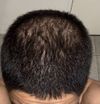
community Losing ground on finasteride after only 2 years of really good results?
The user experienced significant hair regrowth with finasteride but noticed recent hair thinning, possibly due to nutrient deficiencies and weight loss. They plan to add microneedling and consider switching to dutasteride.
community one year progress - fin 0.5 daily, 2.5mg oral min, 1ml daily topical nin
The user had a failed hair transplant in 2018, didn't use medication, and experienced severe depression from further hair loss. They started treatment in 2022 with 0.5mg daily finasteride, 2.5mg oral minoxidil, 1ml daily topical minoxidil, and are considering low dose RU58841 and dermarolling.
community Creatine seems to be thinning my hair
community Am I throwing too much at my hair ?
User has been using minoxidil for 5 years and recently started finasteride, 2% nizoral shampoo, low light level laser helmet, microneedling, and biotin supplement to prepare for a hair transplant. Another user suggests it's not too much and mentions additional treatments like dutasteride, oral min, RU, and pyrilutamide.
community guys help 😭, am i cooked? Mon 5%, Fin 1mg
The user is concerned about hair thinning and has been using finasteride 1mg and minoxidil 5%, along with Alpecin caffeine liquid and vitamins. Others suggest continuing the treatment, as it seems to be stabilizing the hair, and advise against stopping the medication abruptly.
community A year and a half of Dut and min, without results, I need help.
A 21-year-old male has been using dutasteride 0.5mg daily and topical minoxidil 5% nightly for a year and a half without success. He switched to oral minoxidil 0.25mg daily and is taking vitamin D supplements, but remains concerned about ongoing hair loss.
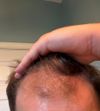
community (M25) 10 months on oral min/fin, no growth. Need advice
The user has been taking oral minoxidil and finasteride for 10 months with no hair growth but no further hair loss. They are considering adding rosemary oil and possibly returning to a topical solution.
community Where do YOU guys get trustworthy RU58841?
community Calling out *diffuse thinners* here -- Have you ruled out other factors?
Diffuse hair loss is often linked to genetics but can also be due to health issues like thyroid problems and low vitamin or iron levels. Treatments include finasteride, minoxidil, and dutasteride, with some seeing improvements after addressing health issues.
community Min + Fin DIY with a cat, what can I use instead?
The user is concerned about the toxicity of a homemade topical solution of minoxidil and finasteride to their new kitten and is considering replacing minoxidil with stemoxydine. Other users suggest using oral treatments, keeping the solution away from the cat, and ensuring proper hygiene.
community Dut+min+nizoral 8 months progress
community minoxidil + peppermint oil + micro needling + red light hat protocol?
The conversation is about a hair regrowth regimen that includes using minoxidil, peppermint oil, a red light hat, and microneedling. The user is seeking advice on the effectiveness and frequency of these treatments.
community 20M Diffuse Thinning for 2 Years, No Improvement with Treatments
A 20-year-old male is experiencing worsening diffuse thinning despite using topical minoxidil, topical finasteride with minoxidil, oral finasteride, stemoxydine, and pyrilutimide. He is seeking support and advice as he struggles with the mental and physical challenges of hair loss treatments.
community Is full regrowth possible => NW0 ?
The conversation discusses hair regrowth possibilities using finasteride, minoxidil, microneedling, and dutasteride, with the user experiencing improvement from NW4 to NW2. Achieving NW0 is deemed unrealistic, but further regrowth may be possible with patience and potentially a hair transplant.
community 8 month progress, slowly but surely. Topical Min/Fin, Microneedle, Niz, etc....
A user reports hair regrowth after 8 months using treatments including topical Minoxidil/Finasteride, microneedling, Nizoral shampoo, Pyrilutamide, GHK-Cu/Min topical, and supplements like fish collagen peptides, zinc, and vitamin D3. They've seen progress but slower regrowth in the midsection of the scalp and are seeking advice to improve it.
community Trinov 3 Months Results
The user has been using Minoxidil for 4 years and recently added a derma pen and Trinov to their regimen, but results are inconclusive after 3 months. Some users suggest Trinov is ineffective and recommend alternatives like Clascoterone (Breezula) for better results.
community IM IN ABSOLUTE SHOCK (my 6 week hair loss protocol)
The user is experiencing positive results in hair regrowth using a protocol that includes minoxidil, dutasteride, essential growth serum, argan oil, trioxidil shampoo, ketoconazole shampoo, and microneedling. They express hope and satisfaction with the progress after six weeks of treatment.