Search
for
Sort by
Community Join
420-450 / 1000+ resultscommunity Better then Minoxidil( at least for me and my family)
Capronium Chloride and Trichoxidil are suggested as better alternatives to Minoxidil for hair growth without heart side effects. The Japanese Dermatological Association recommends topical Minoxidil over Capronium Chloride.
community Are there actual risks with oral minoxidil? How can they be mitigated
Oral minoxidil can cause side effects like heart issues, increased body hair, and facial puffiness, but these are often dose-dependent and temporary. Users report varying experiences, with some combining it with finasteride or RU58841 for better results, while others experience minimal or no side effects.
community Aminexil, Nanoxidil, Stemoxydine and Kopexil. Anyone use them?
Aminexil, nanoxidil, stemoxydine, and kopexil are discussed as alternatives to minoxidil for hair growth, with concerns about dependence. Minoxidil is noted for its effectiveness in transitioning hair growth phases, but dependence is mainly linked to androgenic alopecia.
community Finastride is a god send miracle FOR ME
.
This user experienced positive results from using a combination of minoxidil and finasteride, with no reported side effects after two months. Others have also shared their experiences with both short-term and long-term use of finasteride.
community Minoxidil Non-responders: Have you tried Minoxidil Sulfate?
Minoxidil non-responders may benefit from using minoxidil sulfate due to reduced sulfotransferase activity in their scalps. Users are encouraged to share their experiences with minoxidil sulfate.
community Anyone tried combining Finasteride and Ashwagandha?
The conversation discusses using finasteride and ashwagandha for hair loss, with some users noting potential benefits and drawbacks. Minoxidil, peppermint oil, and creatine are also mentioned, with mixed opinions on their effectiveness.
community Oral 1mg Finesteride 2mg Minoxidil
The user experienced significant hair regrowth using 1mg finasteride and 2mg minoxidil daily, along with Nizoral shampoo and rosemary oil. They are curious about further improving hair density and whether increasing the minoxidil dose would help.
community Dutasteride just saved my life.
Dutasteride and oral minoxidil significantly improved hair growth for the user, with no reported side effects. The user previously used finasteride before switching to dutasteride and minoxidil.
community MSM Supplementation is helping my hairs
The user reports that MSM supplementation has thickened their hair strands while using finasteride and topical minoxidil. They also take zinc, copper, B-complex, vitamin C, vitamin D3, and K2, and plan to add omega-3, magnesium, astaxanthin, and pterostilbene.
community Guys on oral dut AND oral minox, what has been your experience so far?
Users discussed their experiences with oral minoxidil and dutasteride for hair loss. Most reported positive results, including hair regrowth and improved hair quality, with minimal side effects.
community Been on fin for almost a year, which led my friend to also get a prescription. It gave me an idea to make this.
Finasteride, minoxidil, and RU58841 are discussed as treatments for hair loss, with varying opinions on their effectiveness and side effects. Some users believe side effects are rare or psychological, while others emphasize the importance of considering potential side effects.
community RU58841 works great!
community 1.5y on fin, seeing good results – Cat/Dog owner, need an alternative to minoxidil.
The user has been on finasteride for 1.5 years with good results but avoids minoxidil due to pet safety concerns. They're considering alternatives like Redensyl and natural remedies like rosemary oil and stinging nettle tincture for hair loss.
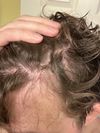
community 28m tips on gaining thickness
A 28-year-old male has been using oral finasteride and minoxidil for over a year without seeing significant results in hair thickness, particularly in the front. He is considering adding dermastamping to his routine and is exploring whether topical treatments might be more effective.
community What is worth dissolving in topical minoxidil solution?
Switching from minoxidil foam to topical solution and considering adding caffeine, melatonin, or cetirizine. Currently using 2.5mg oral minoxidil and 1mg oral finasteride, planning to ask for 0.5mg oral dutasteride and 5mg oral minoxidil.
community Those using fin/min, is there anything else you’ve tried that you think improved your hair loss situation?
People discussed using finasteride and minoxidil for hair loss and mentioned additional treatments like microneedling, Nizoral, oils, vitamins, shampoos, natural treatments, and laser helmets. They shared their experiences with these treatments in combination with finasteride and minoxidil.
community Any thoughts on DS Lab's Nanoxidil Serum?
community Question about RU58841 in minoxidil
The user is considering adding RU58841 to liquid minoxidil without propylene glycol (PG) due to an allergy and is asking if this combination is effective and if PG is necessary. They have been using finasteride and minoxidil foam, plan to use RU58841 with liquid minoxidil in the evening, and continue finasteride.
community Minoxidil (topical) facial bloat
Minoxidil can cause facial bloat, which some users manage by adjusting sodium intake or using it only on the scalp. Alternatives like finasteride or dutasteride are suggested for those concerned about facial changes.
community Oral minoxidil - how important is dermastamping?
A trans woman is using 10 mg oral minoxidil, dutasteride, and estradiol for hair regrowth and is also doing dermastamping despite the pain. Users discuss the benefits of dermastamping for serum absorption and hair follicle stimulation, with some expressing surprise at the high minoxidil dosage.
community What are the best topical caffeine and melatonin products to combine with minoxidil? Maybe also essential oils?
The conversation is about finding the best topical caffeine and melatonin products to use with minoxidil, and possibly adding essential oils. The user seeks recommendations for effective combinations to enhance hair growth.
community Dutasteride and TRT study indicates improvement in aging male symptoms and no difference between placebo group and dutasteride group
community How long should I wait to see if 5 mg oral min works for me? Titrated a couple weeks ago from 2.5 mg. Started at 1.25 mg about 300 days ago
A 33-year-old user has been on finasteride for 10 years with great results and recently increased their oral minoxidil dose to 5 mg to improve hair thickness and possibly regrow hair. They are considering microneedling and a hair transplant to enhance their hairline and temples, despite already having significant improvement.
community Losing ground after over 5 years on dutasteride and min
The user is experiencing diffuse hair thinning despite using dutasteride and minoxidil for over five years and is considering adding oral minoxidil, microneedling, and nizoral to their regimen. They are concerned about the effectiveness and side effects of these treatments, especially with an upcoming event.
community Considering 75mg oral spiro for hairloss (man)
Hair loss treatments Fin and Minoxidil failed for user. Suggested alternatives are 75mg oral spiro and RU58841, but concerns about low testosterone and self-esteem were raised.
community Success without fin/dut??? Anyone? Please help :(
The conversation discusses alternatives to finasteride for hair loss, including topical treatments like minoxidil, RU58841, CB-03-01, and dutasteride. Users also mention other options like alfatradiol, topical caffeine, and mesotherapy, while expressing concerns about side effects and the effectiveness of these treatments.
community Has anyone seen the data on this 539% boost breakthrough?
Topical Clascoterone showed a 539% improvement in hair count compared to placebo, but its effectiveness and safety are debated. Users compared it to minoxidil and finasteride, with mixed opinions on its potential release in 2026 or 2027.
community What’s a better combo: RU + fluridil vs RU + topical spiro vs RU + alfatradiol?
The conversation is about choosing an additional topical treatment for hair loss, with options being fluridil, topical spiro, or alfatradiol, alongside existing treatments like dutasteride, oral minoxidil, latanoprost, and RU58841. Opinions vary on the effectiveness of adding these topicals, with some suggesting RU58841 is sufficient.
community RU58841 vehicle penetration (Study for minoxidil)
The user mixes their own RU58841 solution and found that increasing the ethanol content improved absorption and reduced scalp itching. A study on minoxidil showed that penetration increased with higher ethanol concentrations, reaching maximum penetration at 90% ethanol.