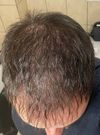
Oral minoxidil can boost hair growth but may cause side effects like heart palpitations and increased body hair. Many prefer topical minoxidil due to fewer side effects.
After nearly four months on finasteride, a user noticed improved hair quality but developed nipple puffiness, suggesting early signs of gynecomastia. They considered switching to other treatments like CB-03-01 or RU58841 and contemplated consulting an endocrinologist about aromatase inhibitors.
A 23-year-old started using 0.5mg Dutasteride and 2.5mg Minoxidil daily for hair loss and is considering adding RU58841 or GHK-cu. Users suggest waiting a few months before adding anything and mention Koshine's kx-826 as a potentially better alternative to RU58841.
PP405 increased hair density by 20% in 31% of participants, but results are considered underwhelming. Minoxidil and finasteride are seen as more effective treatments.
The conversation discusses hair loss treatments, specifically minoxidil, vitamin D supplements, and the potential impact of iron overload. The user experienced hair regrowth with high-dose vitamin D but faced hair thinning again after reducing the dosage, and is now exploring the role of iron overload in hair loss.
The user is experiencing new hair growth after using oral dutasteride, topical minoxidil, and microneedling, but is concerned about black dots on the hairline, which might be clogged pores or dormant follicles. The user previously used a topical minoxidil/finasteride spray and had good results, despite a shedding phase after switching treatments.
Minoxidil is harmful to pets, especially cats, if they contact it. Users recommend switching to oral minoxidil or taking precautions like washing hands and using head coverings to prevent exposure.
Some people see significant hair regrowth using treatments like finasteride and minoxidil, while others experience little to no improvement even with comprehensive treatment plans. Factors such as individual sensitivity to DHT may influence the effectiveness of these hair loss treatments.
The post discusses using Mucuna pruriens, essential oils, and dermarolling for hair loss treatment. The user also mentions pausing testosterone-boosting herbs due to side effects like acne and hair loss.
The user switched from topical to oral minoxidil (5mg daily) a year ago, saw no improvement, and experienced chest pain and trouble sleeping after stopping. They are considering whether to resume and taper the dosage due to stress and anxiety.
The user is using oral minoxidil for hair growth and is considering adding topical latanoprost, but is concerned about potential eye color change. They are seeking advice on the effectiveness of latanoprost for hair thickening and the risk of eye color change.
A 28-year-old male reported significant hair regrowth using 5mg minoxidil and 0.5mg dutasteride over five months, with occasional ketoconazole use. Users discussed side effects like stuffy nose and low libido, and shared experiences with different hair loss treatments.
A 26-year-old male with high testosterone is experiencing diffuse hair thinning despite using a comprehensive treatment regimen including dutasteride, oral minoxidil, RU58841, ketoconazole shampoo, microneedling, and low-level laser therapy. Suggestions include adjusting dutasteride dosage, monitoring iron levels, and consulting a dermatologist for further evaluation.
Microneedling with topical minoxidil is effective for hair regrowth, especially with finasteride. Users report fewer side effects compared to oral minoxidil.
The user is experiencing hair regrowth after using spironolactone, minoxidil 5%, and various supplements. They plan to purchase men's minoxidil for cost efficiency and use Nizoral shampoo and an oil blend for hair care.
The user successfully reduced hair loss using pumpkin seed oil, Nizoral shampoo, and astaxanthin without using minoxidil or finasteride. They observed significant improvement over 12 months and believe the combination of treatments is effective.
The user is exploring hair growth stimulants other than Minoxidil, mentioning Stemoxydine, various peptides, drugs like Latanoprost and Bimatoprost, and natural remedies such as Rosemary Oil and Caffeine. They express concerns about the long-term effectiveness and safety of these alternatives and seek more information on viable options for hair regrowth.
A 44-year-old man experienced significant hair regrowth after switching from topical to 1.25mg oral minoxidil and 0.5mg daily finasteride, with no side effects. He noticed hair thickening after two months and credits the oral form's effectiveness.
The conversation discusses a new hair growth product combining rosemary oil, castor oil, argan oil, and jojoba oil. It also mentions the use of Minoxidil, finasteride, and RU58841 for hair loss treatment.
The user experienced increased hair shedding after using RU58841 for two months, but found relief from scalp itchiness. Other users shared similar shedding experiences and discussed side effects like joint pain, while also mentioning the use of finasteride and minoxidil.
PP405 is a new hair loss treatment advancing quickly in trials, generating excitement and skepticism about its effectiveness and marketing claims. Some see it as a potential alternative to minoxidil and finasteride, but concerns about long-term effects and the need for DHT blockers persist.
RU58841 should be applied directly to the scalp, ideally once a day, a few hours before bed. Some users experienced side effects like shedding and systemic issues when using RU58841 and Minoxidil together, while others reported no side effects when using RU58841 alone.
Green tea extract and soy isoflavones may help with hair loss by inhibiting DHT and providing additional health benefits. Combining these with finasteride and possibly using nizoral shampoo could enhance effectiveness in managing hair loss.
The user has been using 5% minoxidil once daily and microneedling with a 1.5 mm dermaroller weekly for three months, considering increasing minoxidil usage but avoiding finasteride due to libido concerns. Another person suggests considering other treatments like RU58841, alfatradiol, topical finasteride, clascoterone, or saw palmetto since not using a DHT blocker could be less effective.
A 25-year-old user shared progress after two months of using 5% minoxidil nightly on their scalp and beard. Many users suggest combining minoxidil with finasteride or dutasteride to prevent hair loss due to DHT, while others express concerns about potential side effects of these DHT blockers.
A humorous discussion about hair loss treatments, specifically mentioning the use of 5mg of Dutasteride. The conversation includes jokes about the effectiveness of the treatment.
This conversation discusses the potential benefits of using oral minoxidil and finasteride to treat hair loss, with some users sharing their own experiences in taking the medications. Others express concerns about the safety of these treatments.
Pyrilutamide and RU58841 are androgen receptor antagonists that block receptors without significantly reducing testosterone or DHT levels. Any indirect effect on androgen levels is likely negligible.
The user added melatonin to their 5% minoxidil solution for hair growth, using a concentration of 0.0033%, which equates to roughly 2mg for a 60ml bottle. They later reported no significant difference and planned to continue the treatment for a few more months before potentially stopping to observe any changes in shedding.
The conversation discusses concerns that Anagenic's version of GT20029 might not be as effective or safe as Kintor's, with comparisons to issues faced by pyrilutamide. The chemical structure of the drug has been published.