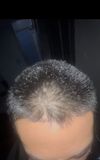
The user experiences an itchy scalp and finds relief using shampoo and Zyrtec, which helps with inflammation. They are unsure if the issue is related to histamines or seborrheic dermatitis.
A 19-year-old is experiencing worsening hair loss and severe seborrheic dermatitis despite using finasteride for six months. Nizoral (ketoconazole) is no longer effective, and they are seeking over-the-counter solutions and advice for an upcoming dermatologist visit.
The user is using Dutasteride, Nizoral, and RU58841 for hair loss and is considering mixing RU58841 with Stemoxydine for better scalp coverage but is concerned about the potential degradation of RU58841 when mixed with a water-based solution. They are seeking advice on the feasibility of this mixture.
A user's 14-month journey with finasteride, microneedling, and Nizoral to treat hair loss. They experienced some side effects such as ball ache, needing to pee constantly, and less semen, but the results were generally positive.
The user plans to improve hair density using Koshine, Avodart (1.5-2.5mg daily), and 5mg OM daily. They previously used finasteride, minoxidil, dutasteride, and fluridil with some improvement.
The user has been inconsistently using a 0.1% finasteride and 5% minoxidil topical treatment for hair loss over the past nine months, along with 1% Nizoral once a week. They aim to improve consistency in their treatment this year and report no side effects.
Cetirizine 1% cream significantly improves hair growth and thickness in men with androgenic alopecia. It is considered effective, affordable, and has a low side effect profile.
The user is using finasteride 1mg every other day and seeks a topical solution to complement it, excluding minoxidil. They are considering various combinations of ingredients like finasteride, dutasteride, and tofacitinib, with options for nourishing oils and other additives.
Kintor apologized for using misleading images in their advertisements and promised stricter review processes. They are also considering developing a topical dutasteride formulation.
The conversation is about the effectiveness of a hair loss treatment product containing 0.01% Latanoprost, with the user considering trying it as a vehicle for RU58841. The user questions whether the dosage is too low to be effective.
The conversation discusses alternatives to RU58841 for hair loss treatment, with suggestions including topical spironolactone, peppermint and rosemary oils, and saw palmetto. The user also considers ordering RU58841 from China but finds it too expensive.
The user is considering starting Minoxidil and is looking for a topical solution to combine with it. They are confused about which product to prioritize among options like RU58841, Pyrilutamide, FinaTopic, and DutaTopic.
The user has been taking finasteride for nearly two months and has noticed an increased urge to urinate with slight discomfort. They are questioning if this side effect is temporary.
The conversation discusses hair loss treatments, including minoxidil, finasteride, biotin, folic acid, zinc, micro-needling, niacin, and cipaxil, with the user preparing for a hair transplant. The user experiences side effects with topical finasteride and is hesitant to try oral dutasteride.
The conversation discusses a user experimenting with RU58841 for hair regrowth by ingesting it, which others find concerning. There are mentions of potential side effects and comparisons to other treatments like minoxidil, finasteride, and flutamide.
A 26-year-old male is still experiencing hair loss after a year of using Dutasteride and is considering using CB0301 (Breezula) to block all androgens on his follicles. He is looking for a reliable source to purchase CB0301 and inquires about the availability of a premade solution.
A user who is using Pyrilutamide, Finasteride, and a homemade topical solution to treat their hair loss. Replies mentioned the potential of Pyrilutamide being a "cure" for hair loss and a reminder that results may not be credited solely to it.
Pyrilutamide shows minimal systemic absorption with low plasma levels and no accumulation, suggesting it's unlikely to cause systemic side effects. However, full results are not yet published in scientific journals.
Slow, steady progress on hair loss treatments such as finasteride, minoxidil, microneedling and Nizoral; the need for patience when using these treatments over a period of months or years; and how to deal with discouragement due to slow progress.
Finasteride reduced dandruff and scalp oiliness by lowering DHT, which decreases sebum production. Users also noted improvements with Nizoral and dutasteride.
The conversation discusses the use of dutasteride for hair regrowth, with the user planning to add topical minoxidil. The user reports improved hair strand quality and beard growth with dutasteride, while noting some side effects compared to finasteride.
The user experienced hair regrowth with oral minoxidil and finasteride but faced aggressive hair loss after developing IBS, questioning if the condition affects medication absorption. They are considering switching to topical treatments.
Switching from finasteride to dutasteride and oral minoxidil led to thicker hair and reduced hairline recession. Occasional flushing from minoxidil will be managed by lowering the dose.
A 26-year-old is considering switching from a regimen of minoxidil, finasteride, and RU58841 to possibly include pyrilutamide due to insufficient results in slowing hair loss. They are seeking advice on whether to add pyrilutamide or replace RU58841 with it, considering cost and effectiveness.
The conversation discusses using RU58841 or Pyrilutamide for hair loss, with some users suggesting switching to more proven treatments like oral or topical finasteride. One user reports no progress with RU58841, finasteride, and minoxidil, and mentions experiencing regression.
User experiencing hair loss tried Minoxidil, Finasteride, Microneedling, Ketoconazole shampoo, and Biotin. Others suggest continuing current treatment for 1-2 years before considering Dutasteride and RU58841.