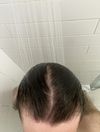
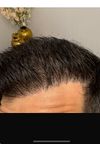
Hair loss treatment with Finasteride, Ketoconazole, Microneedling, Biotin, and Vitamin E shows progress. Users agree hairline improved and suggest continuing treatment.
A 40-year-old user shared impressive hair regrowth results after three months using a topical spray containing minoxidil, finasteride, and ketoconazole, along with occasional dermarolling. The treatment, from the brand Hims, was effective despite initial skepticism, and the user credits the community for their support and information.
Minoxidil can cause scalp flaking and dryness, often due to its alcohol content. Switching to foam minoxidil or using antifungal shampoos like Ketoconazole may help reduce these side effects.
A user shared progress pictures after using 1mg Finasteride daily, 5% Minoxidil twice daily, Nizoral Shampoo, and weekly microneedling at 1.5mm depth for two months, reporting no side effects and discussing their routine and supplements. Commenters reacted positively, with one advising caution with creatine and another endorsing the benefits of microneedling.
A 37-year-old man achieved significant hair regrowth in five months using topical minoxidil 5%, rosemary oil massages, and Nizoral 2% shampoo. His impressive results led to disbelief and admiration, with some attributing his success to being a "hyper responder."
Formula 82M, a minoxidil and retinol liquid, improved hair texture and filled in temples with baby hairs for the user, but its high cost and lack of reviews cause concern. Another user mentioned using a similar product, 82F, which has become less effective and expensive over time.
An 18-year-old started using finasteride for hair loss, already seeing results from minoxidil but experiencing shedding. They also use castor, rosemary, and peppermint oils, dermarolling, and are questioning the need for Nizoral while on finasteride.
A 27 year old's 3-month progress with topical finasteride and minoxidil solution, combined with weekly Nizoral shampoo. Replies to the post discuss the user's results, which are considered impressive, as well as the regimen used.
A 23-year-old male shared his 4-month progress using a topical spray with 0.3% Finasteride, 7% Minoxidil, 2.2% Ketoconazole, and 0.2% Biotin, along with microneedling. He noticed new hair growth on his temples and experienced initial shedding, with no significant side effects after the first month.
The conversation is about a person struggling with inconsistent hair styling due to thinning hair, despite being on hair loss medications. They find that ketoconazole2% shampoo helps, but conditioning makes their hair look worse; others suggest staying consistent with treatment and using hair fibers for events.
Transplanted hairs are thinning after switching from topical to oral minoxidil, with increased shedding and miniaturization. The user is considering reintroducing topical minoxidil and has started using ketoconazoleshampoo.
A user is experiencing hair loss and is using Morr F 5% Minoxidil, Finasteride Lipid Solution, ketoconazoleshampoo, and biotin tablets. They seek advice on the correct application method and hair partitioning.
The conversation discusses hair loss treatment results after 5 months using Minoxidil, microneedling with a 1mm length every 5 days, Tretinoin (0.0025%), and Nizoral. The user noticed an increase in hair density.
The conversation discusses using Rogaine (Minoxidil) and ketoconazole for hair regrowth, with interest in trying a formulation with Azelaic Acid for potentially better results. Concerns about Azelaic Acid's effectiveness and safety, including skin sensitivity to sunburn, are mentioned.
User explores no-finasteride hair loss treatments, considering compounds like Minoxidil, Eucapil, Alfatradiol, Stemoxydeine, Azelaic Acid, Retinol, and KetoconazoleShampoo. They ask about mixing compounds, application schedules, and potential side effects.
The user has been using oral finasteride, topical minoxidil, a derma roller, and root activating shampoo for hair regrowth, seeing positive results without side effects. They apply minoxidil after using a 1.5mm derma roller and are considering switching to ketoconazoleshampoo.
Switching from 2% liquid minoxidil to 5% foam minoxidil reduced scalp irritation but increased eyebrow flakiness and thinning. The user speculates that propylene glycol in the liquid formulation might have been protecting against seborrheic dermatitis while causing contact dermatitis.
A user shared their hair loss journey, detailing their use of Kirkland Minoxidil 5%, finasteride, dutasteride, and weekly dermarolling. They experienced initial success with minoxidil but faced setbacks with oral minoxidil and are now back on topical treatments.
The user experienced significant hair regrowth using minoxidil, finasteride, and Nizoral shampoo, with initial shedding but eventual improvement. They plan to continue the treatment after regaining lost progress from stopping minoxidil.
Clascoterone is being discussed for hair loss, but its current acne formulation may not be suitable for scalp use due to potential skin irritation and lower dosage compared to Breezula. Users mention other treatments like finasteride, minoxidil, and pyrilutamide, with some expressing skepticism about clascoterone's effectiveness for hair loss.
The user is using finasteride, topical minoxidil, derma rolling, ketoconazoleshampoo, and multivitamins for hair regrowth. They also drink topical minoxidil due to the unavailability of oral minoxidil, despite concerns from others about safety.
A 22-year-old male has been using finasteride 1mg daily for 10 months and washing his hair with Nizoral shampoo weekly to manage seborrheic dermatitis. Users responded positively, noting visible hair regrowth.
People discuss various hair loss treatments, including finasteride, minoxidil, ketoconazoleshampoo, biotin, vitamins, tretinoin cream, laser caps, and lifestyle changes like quitting smoking. They also mention using products like nutrafol, pumpkin seed oil, fish oil, and scalp massages.
Clascoterone cream can be used on the scalp, but it may not be effective due to its dosage. AR antagonists like clascoterone are generally less effective than 5AR inhibitors for hair loss.
A 25-year-old is using a nightly routine of topical finasteride 0.3% and minoxidil 6%, along with a derma roller and Nizoral shampoo, to address crown hair loss. The user reports no side effects and noticeable improvement over 2.5 months.
A man struggled with hair loss from age 18, tried various methods without success, and finally sought medical help at 23. He was prescribed oral finasteride, topical minoxidil, and Nizoral shampoo, which after two years of consistent use, significantly improved his hair condition.
A user maintains NW2 hair with 1mg finasteride, 2.5mg oral minoxidil, and 5% topical minoxidil twice daily, along with ketoconazoleshampoo and derma stamping. They seek advice on more aggressive treatments to achieve NW1.