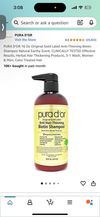
A user recommends a biotin collagen shampoo for making hair appear thicker and feeling nice. Another user mentions using a similar product with argan oil from Walmart.
Shampoos are unlikely to cause permanent hair loss; hair loss is more likely due to male pattern baldness (MPB). The user is advised that losing hair in the shower is normal, and to avoid shampoos with sodium sulfate.
Silicone-based shampoos and conditioners may leave a layer on the scalp that could affect the absorption of topical hair loss treatments like Fluridil. The user is considering switching to silicone products to manage frizzy hair but is concerned about this potential issue.
The conversation discusses whether a 2 in 1 shampoo and conditioner with ketoconazole 1% is less effective than using the shampoo alone for someone with a dry scalp and seborrheic dermatitis. The focus is on choosing the right product for hair and scalp health.
Using detox or clarifying shampoos like OUAI Detox Shampoo and K12 Detox Shampoo can help reduce hair fall caused by mineral buildup from hard water. Rinsing hair with soft water after showering is also recommended.
The conversation is about finding effective hair loss shampoos with active ingredients like ketoconazole, caffeine, saw palmetto, or zinc pyrithione. The user seeks recommendations on effective products, side effects, scalp sensitivity, and usage frequency.
The user is using topical finasteride, minoxidil, nizoral shampoo, and microneedling for hair regrowth but hasn't seen results after 2-3 weeks. They added tretinoin to their routine and are advised to wait a few months for potential changes.
Salicylic acid in Nioxin shampoo may reduce minoxidil effectiveness by inhibiting sulfotransferase activity, potentially causing hair loss. Users suggest stopping salicylic acid use or trying alternative treatments like high-concentration tretinoin or medicated minoxidil/finasteride shampoos.
The conversation discusses using Ketozolin shampoo in Germany as an addition to finasteride and minoxidil for hair loss treatment. Users recommend applying a small amount 2-3 times a week, leaving it on for 5-10 minutes.
Anti-hair loss shampoos, like the one with rosemary, quillaja, and jaborandi extracts, mainly support scalp health but are not effective for hair regrowth compared to treatments like finasteride or minoxidil. Ketoconazole 2% is noted as the only effective anti-hair loss shampoo, while others are often considered scams.
The conversation is about choosing a second shampoo to use alongside Nizoral for hair loss treatment. Suggestions include Nioxin, baby shampoo, Lipogaine, and Revita, with some users recommending letting the shampoo sit for a few minutes before rinsing.
The user is using ketoconazole shampoo, organic vinegar, iced aloe vera gel, and sulfur soap to address hair loss, avoiding minoxidil and finasteride unless necessary. Some users see improvement, while others suggest adding finasteride for better results.
Mixing ketoconazole 2% shampoo with coal tar and salicylic acid for seborrheic dermatitis is discussed, with users sharing experiences and alternative treatments like sulfur soap and scalp massage. Some users report success with these methods, emphasizing the importance of avoiding irritants and maintaining scalp health.
The conversation is about using topical minoxidil and Nizoral shampoo for hair loss. It discusses whether to use conditioner with Nizoral and how to apply minoxidil without causing scalp irritation.
Mixing charcoal, Ketoconazole, and caffeinated shampoo is questioned for potential interaction, specifically if charcoal inactivates other ingredients. Charcoal is used for seborrheic dermatitis, while caffeine is thought to improve scalp blood flow.
People are discussing hair care products and shampoos, with some using ketoconazole 2% and others mentioning products like NATIVE brand and Dr. Bronner’s peppermint soap. There's a focus on scalp health and the potential benefits of certain shampoos for aiding minoxidil absorption.
The conversation discusses the effectiveness of Vichy's Dercos shampoo, which contains aminexil, niacinamide, AHA, and Vitamin E, for hair issues. One user mentions success with Vichy's serum containing 1.5% aminexil in reducing hair shedding.
The user experienced hair loss from overwashing and frequent product changes, seeking alternatives to Minoxidil due to having pets. Suggestions included using oral Minoxidil, ketoconazole shampoo, and maintaining a consistent hair care routine with gentle, sulfate-free products.
The user is experiencing hair loss and has been using topical Minoxidil 5%, Keto 2% shampoo, and Tretinoin 0.025% for six months, with plans to start topical Finasteride 0.1% soon. They are advised to focus on DHT blockers like Finasteride and consider additional tests and supplements to address potential deficiencies and scalp health.
The user wants to undergo laser hair removal on a bad hair transplant and maintain their natural hairline. They are seeking shampoo recommendations while using finasteride and minoxidil.
Petal Fresh Hair ResQ shampoo is discussed for hair loss, with skepticism about its effectiveness. Minoxidil is mentioned as part of a treatment plan, and other recommended ingredients include Piroctone Olamine, Ketoconazole, and Saw Palmetto.
A user is experiencing scalp flaking from a finasteride/minoxidil topical solution and considers using salicylic acid shampoo to remove propylene glycol residue. Another user suggests trying a leave-in conditioner to address dryness and flaking.
A 26-year-old male experiencing hair loss since 2020 is using topical 5% Minoxidil and 2% Ketoconazole shampoo for four months, still experiencing significant shedding. He is considering cutting his hair short and has not yet started DHT blockers like Finasteride or Dutasteride.
Cosmetics Hut Hair Strengthening Shampoo with Biotin Peppermint Platyclaudus is popular for reducing hair shedding. Other treatments mentioned include Minoxidil, finasteride, ketoconazole shampoo, and biotin supplements.
The conversation discusses scalp itching and tenderness after microneedling, despite using medicated shampoos and proper sanitation. The user plans to see a dermatologist and is concerned about possible infection or allergic reaction.
The conversation is about using try-Spartan shampoo for hair regrowth on the crown without using minoxidil or finasteride. The user seeks advice on non-drug topical treatments.
A user is experiencing an itchy scalp after using a shampoo containing biotin, saw palmetto, and caffeine, and is questioning if it's due to the shampoo or balding. They are seeking feedback on others' experiences with similar shampoos.
The conversation is about dealing with dry scalp caused by using Nizoral shampoo. Suggestions include using medicated scalp solutions, drinking more water, trying different shampoos and conditioners, and using oils like coconut or olive oil.
Nizoral 2% is popular for maintaining scalp health and reducing inflammation, though its effectiveness for hair loss is debated. Some users combine it with finasteride for better results, while others find it drying or ineffective.