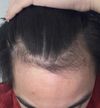
The user experienced significant hair regrowth over two months using a regimen of daily minoxidil, daily finasteride, and weekly microneedling. They reported no major side effects, except for temporary watery loads, and emphasized the importance of consistency.
User found Annurmets, an Italian supplement with apple extract for hair loss treatment. Many reported incredible results using Procyanidin B2 from apple extract.
A user is considering using niacinamide serum on their hairline to address dandruff and itching caused by minoxidil. They seek advice on the frequency of application.
OP experienced hair improvement using NMN and quercetin after stopping finasteride, but later resumed finasteride due to shedding. They believe NMN and quercetin still help with hair loss.
VDPHL-01 is essentially a slow-release oral minoxidil, which is already known to work for hair growth. The formulation includes other ingredients like Medrogestone, Valproic acid, Setipiprant, and Cetirizine, but their effectiveness and necessity are questioned.
The conversation discusses transitioning from topical to oral minoxidil for hair loss treatment and explores the potential use of Aminexil, despite concerns about its effectiveness compared to minoxidil. It highlights the risks and side effects of oral minoxidil, such as potential heart and liver damage, and emphasizes the importance of monitoring blood pressure.
The user has seen good progress in hair density after almost 10 months using 0.6 mg oral minoxidil, 1.25 mg oral finasteride every other day, and topical minoxidil twice daily, along with weekly derma stamping. They experienced side effects with higher doses of minoxidil and encourage others to try these treatments.
The post discusses a holistic, bioenergetic approach to hair loss, focusing on diet, exercise, and lifestyle changes rather than traditional treatments like finasteride or minoxidil. Key dietary recommendations include fruits, milk, potatoes, butter, coconut oil, eggs, oysters, liver, and gelatin, along with moderate exercise and lifestyle adjustments to reduce stress.
The user achieved significant hair regrowth using topical 5% minoxidil and oral 1mg finasteride daily, especially around the temples. They experienced minimal side effects, with initial difficulty maintaining erections that resolved after a few weeks.
A peptide from Japanese water chestnut fruit may help with hair loss by suppressing DHT's effect on hair follicle cell death, potentially serving as a finasteride alternative. The treatment's effectiveness and safety in humans remain uncertain.
.
This conversation is a satire post about a user who appears to have an abundance of hair, with other users commenting and asking questions about the treatments they use for their hair loss. Treatments discussed include minoxidil and finasteride.
Hairline shows new growth, and hair quality and thickness have improved significantly after 10 months of oral Minoxidil and topical finasteride. The user also switched from a 0.5mm to a 1mm dermaroller.
The potential hair regrowth benefits of ASC-J9, a synthetic modified version of curcumin that is said to be more effective than Minoxidil and Finasteride. Reports from users suggest good thickening and temple regrowth with topical use at 0.025% concentration.
A user has been using Finasteride for 1.2 years with no regrowth but no further hair loss. They started Oral Minoxidil 2.5 mg and are seeing some progress with new hair growth.
Treating androgenic alopecia with minoxidil, finasteride, and antiandrogens, alongside exercise, cryotherapy, and natural substances to stimulate cold receptors for better hair growth. The method focuses on enhancing treatment effectiveness by considering environmental and behavioral factors and the role of cold receptors and muscle stress.
For male pattern baldness in Orange County, treatments include 2.5mg of dutasteride daily, oral minoxidil 2.5mg twice daily, and derma stamping. Users discuss the effectiveness of these treatments and seek recommendations for clinics and techniques.
The user has been using a combination of 0.3% topical finasteride, minoxidil, ketoconazole, and microneedling once a week for two months with positive results and no side effects. They apply the treatment daily using a spray and have short hair, which makes application easier.
PP405 shows promising results for hair growth, potentially outperforming finasteride without side effects like erectile dysfunction. Users discuss using treatments like minoxidil, pyrilutamide, nizoral, and alfatradiol while waiting for PP405's availability.
Slow, steady progress on hair loss treatments such as finasteride, minoxidil, microneedling and Nizoral; the need for patience when using these treatments over a period of months or years; and how to deal with discouragement due to slow progress.
The conversation is about using RF microneedling with ExoHealer, along with finasteride and minoxidil, to improve hair thickness and reduce shedding. The user reports noticeable improvements in scalp texture and oiliness, with plans to consider stem cell treatments in the future.
PP405 shows promise in hair loss treatment, but stem cell therapy using adipose-derived stem cells and ATP also successfully reversed androgenetic alopecia in mice. Stem cell therapy is costly, and some doubt the effectiveness of PP405 based on press releases.
A user is treating hair loss with Dutasteride, Minoxidil, RU58841, Derminator 2, Vitamin D, Biotin, and Zinc. After 6 months, there's no significant visual improvement, but the user feels less insecure about Retrograde Alopecia.
The user shared their hair regrowth progress using a combination of treatments including finasteride, dutasteride, minoxidil, tretinoin, Sulfogenz, KX-826, low-level laser therapy, and microneedling. They plan to continue medication for another year before considering a hair transplant, noting steady improvement but not major changes.
A 17-year-old is experiencing rapid hair loss from NW1.5 to NW3 in six months and feels dermatologists are unhelpful. They are using Minoxidil (Rogaine) and seeking advice on application.
The conversation discusses the potential updates on the pp405 trial for hair loss, with completion expected by December 2025. Participants express skepticism about new treatments, suggesting continued use of finasteride, while others hope for innovative solutions beyond current medications.
Clascoterone 5% topical solution is effective and safe for long-term use in treating male pattern hair loss. Cosmo Pharma aims for EU and US approval, with a potential US release in late 2027 or early 2028.
The user is experiencing rapid hair loss, progressing from Norwood 3 to 7, with thinning at the crown and receding hairline. Suggested treatments include finasteride, minoxidil, ketoconazole shampoo, and CBD with MCT oil.
PP405 is a potential hair loss treatment showing promising early results, with hopes for market release by 2028, but skepticism remains due to inconclusive data and past disappointments with similar products. Current treatments like Minoxidil and Finasteride have side effects, leading some to anticipate PP405 as a safer alternative, though its effectiveness compared to placebo is debated.