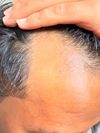
The user shared 11 months of progress using oral finasteride and minoxidil for hair regrowth, reporting no side effects. Feedback from others noted improved hair thickness and health.
The user has been using finasteride and dutasteride mesotherapy for 2 months with no noticeable change in hair loss or shedding. They experienced side effects from oral minoxidil and suspect seborrheic dermatitis.
A 35-year-old shared a 2-month update on their hair transplant of 3153 grafts, noting redness, itching, and some pimples, while using finasteride for over 12 years to maintain hair. Users discussed the effectiveness and timing of starting finasteride, with some suggesting consulting a doctor for young individuals considering the treatment.
A 30-year-old female with PCOS and male pattern baldness is frustrated with her endocrinologist's recommendation of only Spironolactone and minoxidil, feeling that dutasteride, finasteride, and progesterone would be more effective. Other users suggest various online sources for treatments, warn against self-medicating due to potential risks, and recommend seeking a specialized endocrinologist or considering additional treatments like Inositol, Berberine, and dermaneedling.
A user shared a 7-month update on hair regrowth using finasteride daily and minoxidil once a day, noting improvement in hair health. Others suggested adding micro-needling, ketoconazole shampoo, and considering a hair transplant for better results.
The user started treating hair loss with minoxidil, Nizoral shampoo, dermarolling, and castor oil, and noticed small hairs growing at the temples. They plan to add biotin and azelaic acid to their routine but are avoiding finasteride due to potential side effects.
After a year of using finasteride, topical minoxidil, Nizoral shampoo, and derma stamping, the user experienced significant hair regrowth and increased hair density, despite an initial shedding phase. The user attributes the success to consistency and patience, noting that derma stamping significantly boosted regrowth speed and quality.
A user noticed worsening hair thinning and started using rosemary oil, jojoba oil, a 1.5mm dermastamp, 1% ketoconazole shampoo, scalp massages, and vitamin D tablets. They may switch to Minoxidil and Finasteride if needed.
The user is exploring alternatives to finasteride and dutasteride due to concerns about side effects, and is using rosemary and jojoba oil, ketoconazole, minoxidil, microneedling, multi-peptide serum, saw palmetto, and stinging nettle for hair loss. They are also considering CB 03 01 and spironolactone.
Hair loss discussion includes Amplifica, a new treatment by Dr. Rassman and Dr. Plikus using molecules from hairy moles. No progress updates mentioned.
A 28-year-old underwent three hair transplants totaling 11,102 grafts at Eugenix, using finasteride and minoxidil to manage advanced hair loss. Despite limited density, the results are satisfactory, allowing the individual to feel presentable without a hat.
The user is using 2.5mg oral minoxidil and Nizoral shampoo for hair regrowth, noticing some improvement. They are considering increasing the dosage and exploring alternatives to topical minoxidil/finasteride due to concerns about toxicity to cats.
A user shared their 7-month progress using 1mg daily Dutasteride and 2.5-5mg daily oral Minoxidil for diffuse unpatterned alopecia, showing significant hair regrowth with reduced shedding and no side effects. They experienced a severe initial shed but now have visual improvement, despite hair still being thinner than before.
Hair loss treatment progress with Dut, Min, Keto, needling, and RU/Min/Fin/Dut topical. User noticed improvement, believes RU and needling most effective.
The conversation discusses hair loss treatments using oral minoxidil, oral dutasteride, and mesotherapy dutasteride, showing impressive 6-month results. The user wishes these treatments were available in the U.S.
The conversation is about a user assessing their hair loss as Norwood 1.5 and discussing their use of oral minoxidil and finasteride for 2.5 years, which improved their hair density. They are content with their current progress but hope to reach Norwood 1.
The user experienced hair thinning, possibly due to long COVID and prediabetes, and saw regrowth after dietary changes and using biotin shampoo. They are taking vitamins and noticed significant hair regrowth, especially at the widow's peak.
The conversation discusses hair regrowth treatments, including oral minoxidil 5mg and finasteride 1mg on alternate days, along with derma rolling, biotin, and other supplements. The user reports good hair growth and reduced hair fall, with no side effects from oral minoxidil except increased body hair.
The conversation discusses concerns about potential cognitive and emotional effects of finasteride, with the original poster planning to monitor their cognitive performance while using the treatment. A user responds that most people do not experience cognitive shifts, though some report subtle changes.
OP has been using oral minoxidil (5mg) and oral dutasteride (0.5mg) but sees little progress and is unsure if they should continue. Other users suggest being consistent, giving it more time, and addressing scalp inflammation.
The user is considering topical Saw Palmetto or Pumpkin Seed Oil due to sensitivity to finasteride and cost issues. They also use dermastamping for Minoxidil absorption and seek advice on timing to avoid systemic absorption.
A user's hair loss treatment progress over the last 6 months using finasteride, minoxidil and dermarolling; other users have commented to ask questions or share their own experiences.
The user diagnosed with DUPA tried treatments like dutasteride, finasteride, RU58841, and minoxidil without success and is considering a hair system. They hope for a future cure, possibly with PP405, and others suggest options like scalp biopsy and SMP.
The conversation is about alternatives to minoxidil for hair growth, as the original poster experienced chest tightness from using it. They are currently using finasteride and considering options like rosemary oil, pumpkin seed oil, and other topical treatments, but acknowledge that minoxidil and finasteride are the most scientifically supported treatments.
Minoxidil can be effectively delivered through nanoemulsions containing eucalyptol or oleic acid, enhancing its diffusivity and targeting hair follicles. This contradicts the advice against mixing minoxidil with oils in topical formulations.
A 19-year-old is concerned about using low-dose sublingual minoxidil for hair loss and its potential side effects, while questioning its effectiveness against DHT. They are considering whether this treatment is the best option.
Treatments for hair loss, focusing on Fluridil/Topilutamide (Eucapil), Finasteride and RU58841 (Alfatradiol). The user reported that the Fluridil seemed to work well but had side effects of testicle ache, decreased mood and sex drive.
The conversation is about someone's hair growth progress after using dutasteride and oral minoxidil for eight months, with users commenting on the increased hair density and volume. Some users are skeptical, but the original poster insists there is a significant improvement in hair density.
Oral minoxidil can lead to increased body hair growth, especially in areas where hair already exists, but results vary by individual. Some users report noticeable changes within a few months, while others see minimal impact; concerns about excessive hair growth are common, but many prioritize hairline improvement over body hair concerns.
A 12-year-old diagnosed with alopecia shares their experience and current treatments, including Dermovate, an unnamed cream, and liquid iron. The community offers support and encouragement.