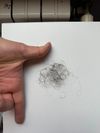
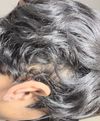
A user is considering using niacinamide serum on their hairline to address dandruff and itching caused by minoxidil. They seek advice on the frequency of application.
Discussion on hair loss treatments, focusing on pp405, with skepticism about its effectiveness and concerns about its association with the cosmetic industry. Users also mention treatments like Minoxidil and Finasteride.
The conversation is about the delay in receiving updates on the HMI-115 phase 1 trial for hair loss. No specific treatments are mentioned in the conversation.
The user experienced severe hair loss, itchy scalp, and skin issues after trying no-shampoo, and wonders if it's male pattern baldness or an immune issue. They have a history of eczema, dermatitis, and jock itch, and have tried various treatments like coconut oil, peppermint, pumpkin seed, and onion.
The user has been using oral minoxidil for 4 years and durum wheat 3 days a week for 7 months, but is experiencing increased hair loss when washing hair. They suspect it might be due to decreased DHT levels and are seeking similar experiences from others.
The conversation discusses experimenting with microneedling for hair loss, specifically addressing non-responsiveness and the use of topical treatments like dutasteride, minoxidil, and tretinoin. The user seeks advice on effective frequency and depth combinations for better results.
Hair loss is worsening despite using finasteride, oral minoxidil, and rosemary oil, possibly due to stress, hormone changes, and environmental factors. Improvement was noted with a soft water filter, but recent stress may have exacerbated the issue.
A user is experiencing severe hair loss, diagnosed with seborrheic dermatitis, and is using Ketoconazole and beclomethasone. They are concerned about potential female pattern baldness and are seeking reassurance and advice.
Salicylic acid in Nioxin shampoo may reduce minoxidil effectiveness by inhibiting sulfotransferase activity, potentially causing hair loss. Users suggest stopping salicylic acid use or trying alternative treatments like high-concentration tretinoin or medicated minoxidil/finasteride shampoos.
The conversation discusses experiences with NMN supplementation for hair growth, with some users reporting increased hair growth activity and others seeing no significant changes. OP has been using dutasteride and oral minoxidil, and recently added NMN, noticing increased shedding, which they hope indicates new hair growth.
Some users maintained hair gains after stopping microneedling while continuing minoxidil and finasteride, while others saw no improvement or experienced hair breakage. One user switched to oral minoxidil and continued finasteride and dutasteride after seeing no results from microneedling.
Significant hair regrowth was achieved using RU58841, minoxidil, and microneedling during a high-dose steroid cycle. The user reported no side effects from RU58841 and plans to continue the regimen.
A 22-year-old has been using topical finasteride and minoxidil with microneedling for hair loss, considering switching to oral finasteride or dutasteride due to slowed progress. Recent changes in application technique and increased microneedling frequency seem to have led to noticeable hair regrowth, prompting reconsideration of switching treatments.
Microneedling, when combined with finasteride and topical minoxidil, can enhance hair regrowth for male pattern baldness, especially at the temples. Users report varying success with needle depths between 0.5mm and 1.5mm, with stamps preferred over rollers to minimize scalp damage.
Stopping minoxidil for 10 days due to eye surgery, with concerns about hair loss. Most responses suggest a short break won't significantly impact hair, and emphasize prioritizing eye health.
Lichen Planopilaris (LPP), a form of permanent hair loss, which can be mistaken for seborrheic dermatitis and is characterized by scalp itching, burning, redness, and dandruff. Treatment options discussed include steroidal creams, finasteride, minoxidil, and RU58841.
The conversation discusses microneedling for hair loss, with one user trying 0.3mm daily without feeling pain and questioning its effectiveness. Another user suggests that 0.3mm is too shallow and recommends 0.5mm twice a week or 0.75mm once a week for hair growth.
High frequency ultrasonography and HR-MRI can help identify hair shedding causes like inflammation and fibrosis. The conversation discusses the potential of using these technologies to evaluate treatments like Verteporfin for hair regeneration.
Microneedling regimens for hair loss, with users discussing needle lengths and frequencies. One user reports noticeable improvement at the crown using 1mm weekly, while another uses Keto shampoo with dermastamping.
A 16-year-old is experiencing hair loss and is using minoxidil, finasteride, and plans to add RU58841, while considering other treatments like MK-677 and microneedling. Concerns are raised about the potential impact of these treatments on puberty and development.
The conversation discusses a user's plan to inject NAD+ and GHK-Cu into their scalp to improve hair health, with concerns raised about the risks of infection and necrosis. Alternatives like finasteride, dutasteride, microneedling, oral minoxidil, and scalp massages are suggested.
A user is concerned that prolonged use of valisone (betamethasone) and clotrimazole solution for scalp dermatitis may be causing hair thinning and loss. They noticed thinning in the area where the solution was applied.
Caffeine intake may increase DHT levels, but its impact on hair loss is minimal compared to genetic factors. Excessive caffeine can cause health issues, and its effects on hair loss are not directly applicable to humans based on rat studies.
Microneedling for hair loss, with concerns about potential scarring and hair breakage. Recommendations include using 0.5-0.8mm needles, opting for dermastamps or pens, and limiting frequency to twice a month.
A user is using microneedling and rosemary/peppermint oil to treat hair loss, avoiding chemicals due to potential side effects. They have seen baby hairs growing after five weeks and plan to continue for a year.