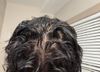
The user is experiencing hair regrowth in small clusters using oral minoxidil, oral finasteride, a red light cap, and Nizoral 2% shampoo. They are hopeful for continued improvement and thicker hair.
A 38-year-old user discusses their experience with hair loss and the impact of comments about their bald spot, despite using treatments like topical finasteride, minoxidil, and tretinoin. The conversation highlights the emotional impact of unsolicited comments on appearance and suggests exploring additional treatments like oral minoxidil and finasteride for further improvement.
PP405, a potential treatment for male pattern baldness, shows promise with some participants experiencing hair regrowth in early trials. However, it is not yet considered a cure and may be used alongside existing treatments like minoxidil and finasteride.
The user is concerned about regrowing a plucked widow's peak and is considering using Minoxidil. They have been using the Growplex pack for a month without noticeable results.
A 35-year-old has seen no hair regrowth after 9 months using treatments including finasteride, pyrilutamide, microneedling, ketoconazole shampoo, and topical dutasteride, but experienced side effects with RU58841. Commenters suggest starting minoxidil for better results and question why it wasn't included from the beginning.
A South Korean company, Therazyne, has developed a promising hair loss treatment using a WNT chain surrogate that binds to Frizzled 7, with human follicle testing expected soon. Current treatments like minoxidil and finasteride are not seen as cures, and while optimism exists for future solutions like PP405, approval processes are lengthy.
The conversation is about a user's impressive hair recovery over 14 months using 0.5mg dutasteride, 5% topical minoxidil, saw palmetto shampoo, and occasional microneedling. The results are highly praised by others, with many expressing admiration and hope for similar outcomes.
A user shared their successful hair loss treatment using 1.25mg finasteride daily, 2.5mm microneedling every 1-3 weeks, zinc pyrithione shampoo, occasional scalp massages, and 40% glycolic acid on temples. They reported significant progress over 21 months.
The conversation is about hair regrowth using topical finasteride, minoxidil, and microneedling, with some users noticing new hair growth. The original poster also takes protein, biotin, and vitamin D supplements and prefers topical treatments due to concerns about side effects from oral finasteride.
The conversation discusses hair loss treatments, specifically finasteride, minoxidil, ketoconazole shampoo, and microneedling, with users experiencing initial success followed by increased shedding and regression. Many users suggest patience, as hair cycles can take years, and some attribute changes to seasonal shedding.
A 29-year-old is experiencing hairline loss and has been using oral finasteride and topical minoxidil for two months, considering adding RU58841. They are advised to get a blood test for deficiencies and to style their hair instead of frequent haircuts.
A user shared their experience with Finasteride for hair loss, noting improvement but still some thinning. They plan to get a hair transplant to address remaining thin spots and strengthen their hairline.
Hair loss may be linked to blood flow and inflammation, with treatments like Minoxidil, finasteride, and quercetin being discussed. The conversation also mentions the role of 5AR enzyme distribution in hair follicles.
The user is experiencing hair loss, possibly due to androgenetic alopecia and seborrheic dermatitis, and has tried ketoconazole shampoo without success. They are hesitant to use finasteride due to potential side effects and are seeking advice on managing their condition.
An 18-year-old is using topical minoxidil 5% and derma rolling weekly for hair regrowth after shaving their head, while also addressing vitamin D deficiency and thyroid imbalance. They are questioning if the changes observed are signs of regrowth.
The conversation discusses using Tretinoin for treating androgenic alopecia. Specific treatments mentioned include Minoxidil, Finasteride, and RU58841.
A 24-year-old shared their 7-month progress using a topical solution of finasteride 0.1%, minoxidil 5%, and hydrocortisone butyrate 0.08%, along with ketoconazole shampoo, to treat hair loss, reporting no side effects and noticeable hair improvement. They also take vitamin D and biotin supplements, use a dermastamp, and manage Hashimoto's without thyroid medication.
A 31-year-old experiencing rapid hair loss is considering whether to shave their head or use treatments. They were prescribed B12, topical finasteride 0.1%, and minoxidil 10% but are unsure about the correct dosage and potential side effects.
A user shared their experience with scalp micropigmentation (SMP) after one year. They discussed using Minoxidil, finasteride, and RU58841 as treatments for hair loss.
GT20029, a new hair loss treatment, shows promising results but only a slight improvement over placebo. People are cautiously optimistic, discussing its potential and combining it with existing treatments like Minoxidil and Finasteride.
The user experienced hair loss possibly due to scalp damage and tried natural treatments with limited success. They reported noticeable hair thickening after using a laser treatment device, suggesting it may be effective, especially for those on finasteride.
A user claimed to cure their baby's baldness by using finasteride, minoxidil, ketoconazole, dermarolling, scalp massages, and headstands to increase blood flow. Commenters responded with humor, suggesting various exercises and questioning the legitimacy of the transformation.
A user is seeking recommendations for a dermatologist in Houston specializing in alopecia areata for her daughter. A doctor actively researching alopecia areata in young people was suggested.
A user experiencing scalp pain and diffuse hair thinning is taking finasteride and using Nizoral shampoo. They plan to continue finasteride for 6 months and consider adding minoxidil if no improvement is seen.
A 33-year-old male with a receding hairline is advised to start with finasteride to block DHT and consider minoxidil for promoting hair growth. Other treatments like copper peptides and serums are deemed less effective, and ketoconazole shampoo is suggested for scalp health.
A 51-year-old shared progress on hair regrowth using topical Minoxidil and Finasteride over four months, noting significant improvement and plans for future hair transplants. The user emphasized the benefits of modern treatments and societal changes in attitudes towards hair loss.
User experienced hair regrowth with finasteride and minoxidil but started losing hair again after 1 year and 4 months. They ask if they should switch to dutasteride or wait longer.
The conversation discusses alternatives to minoxidil and finasteride for hair regrowth, with mentions of essential oils, PRP therapy, and RU58841. The focus is on finding treatments with minimal side effects, especially concerning fertility.
The struggles of hair loss at a young age and available treatments, such as medication (Finasteride, Minoxidil, Dutasteride, Derma Rolling) and potential options for hair systems or cloning in Japan. People discussed their own experiences with trying to cope with the emotional aspects of this condition.
The user is experiencing increased hair shedding, scalp sensitivity, and itching despite using finasteride for four months, and has tried various shampoos without relief. They are advised to consult a dermatologist for potential scarringalopecia and consider other treatments like adding Dutasteride.