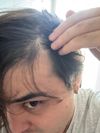
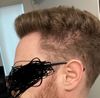
A 27-year-old male is experiencing hair loss and dandruff, despite trying various treatments like cortisone, diflucan, and natural remedies. He is considering shaving his head and is seeking advice on the "Big 3" treatment, which includes Minoxidil, finasteride, and RU58841.
Hair loss significantly affects men's confidence and mental health. Common treatments include finasteride, dutasteride, and minoxidil, with some considering hair transplants.
A 27-year-old male physician improved hair density using minoxidil 5% foam and finasteride 1mg every other day, with initial sexual side effects that subsided. He recommends trying finasteride for a year but warns against dutasteride due to potential liver effects.
The conversation discusses the perception of increased hair loss among young men, with some attributing it to heightened awareness or environmental factors. Various treatments are mentioned, including Minoxidil, Finasteride, microneedling, scalp massages, and future hair transplant methods.
A 21-year-old is experiencing hair thinning and is using oral finasteride and topical minoxidil, considering adding oral minoxidil. They are unsure if the condition is androgeneticalopecia (AGA) or telogen effluvium (TE) and are advised to continue treatments and get a blood test.
A 20-year-old with aggressive hair loss is using oral minoxidil and finasteride, considering a buzz cut to manage appearance. Most suggest a buzz cut or shaving, recommending patience with medication and possibly trying RU58841 or dutasteride.
The conversation discusses using scalp antiandrogens like RU58841, pyrilutamide, or fluridil on the face to reduce sebum production, noting that clascoterone (winlevi) is an approved facial antiandrogen with underwhelming reviews.
A 34-year-old male is experiencing hair loss on the sides of his head, with inflammation and itchiness, while the top remains thick. He is using topical dutasteride and keto shampoo to address the issue.
A 28-year-old male is experiencing hairline recession despite his family having full heads of hair. Suggested treatments include finasteride, minoxidil, and ketoconazole 2% shampoo.
A 33-year-old male restarted finasteride after stopping it to conceive, noticing hair loss, especially in the crown area. His current routine includes finasteride, minoxidil, ketoconazole, and microneedling, and he plans to continue this treatment for 18 months before making any major changes.
A 31-year-old male seeks advice on reversing crown and hairline baldness. Recommendations include using finasteride or dutasteride, minoxidil, microneedling, and ketoconazole shampoo.
The user experienced male pattern baldness starting at 18, tried finasteride with no success, and switched to dutasteride, which halted hair loss. Minoxidil had no effect for them, while their brother, who didn't use AR inhibitors, maintained a juvenile hairline and successfully grew a beard with minoxidil, highlighting the unpredictable nature of genetics in hair loss and treatment response.
The conversation is about a person experiencing treatment-resistant androgenicalopecia despite using high doses of dutasteride and minoxidil, along with other treatments like microneedling and purilutamide. Suggestions include considering a hair transplant, checking medication authenticity, and exploring other treatments like RU58841 or topical estradiol.
A 33-year-old man is concerned about potential hair loss, comparing his hairline to his father's and noticing increased shedding and thinning. He is considering treatments like Minoxidil and Finasteride but is unsure if he has male pattern baldness.
Topical formulations, natural products, and CAM therapies are being used to treat Androgenicalopecia to avoid side effects of Finasteride and Minoxidil. The review covers various low-risk, alternative treatment options.
A user encouraged others experiencing hair loss to try shaving their heads, sharing their own positive experience despite briefly using finasteride and natural methods. Responses were mixed, with some supporting the decision and others suggesting treatments like minoxidil and finasteride, while many commented on the appearance changes.
A 23-year-old male experienced sudden hair loss over six months, losing about 30% of his hair. Treatments include 10% minoxidil, a hair spray, and a vitamin pill; opinions on the cause vary between normal hair loss due to deficiencies and male pattern baldness.
A 33-year-old male with a receding hairline is advised to start with finasteride to block DHT and consider minoxidil for promoting hair growth. Other treatments like copper peptides and serums are deemed less effective, and ketoconazole shampoo is suggested for scalp health.
A 26-year-old is experiencing hair thinning and has received conflicting diagnoses of androgeneticalopecia and telogen effluvium. They are considering treatments like dutasteride, oral and topical minoxidil, and are unsure whether to start treatment or pursue further diagnosis like a scalp biopsy.
Hair loss is a common issue, with treatments like finasteride and minoxidil used but not as permanent cures. Frustration exists over societal perceptions and the lack of a definitive solution.
A 24-year-old male is experiencing a receding hairline and is advised to use topical minoxidil for hair regrowth, while being cautious about finasteride due to potential side effects. Adding ketoconazole shampoo is suggested for scalp health, and consistent use of minoxidil is recommended for noticeable results in 3-6 months.
A 26-year-old man with diffuse alopecia is using electric scalp massage, dermastamp, and multivitamins for treatment but is intolerant to finasteride. A dermatologist recommended PRP and mesotherapy with exosomes and dutasteride.
Finasteride, dutasteride, and minoxidil are discussed as treatments for male pattern baldness. Finasteride and dutasteride are effective DHT blockers, while minoxidil is necessary for regrowth but must be used consistently.
A 21-year-old was diagnosed with early-stage androgeneticalopecia and prescribed only minoxidil 5% and ketoconazole shampoo by a dermatologist, who advised against finasteride for now. The user is skeptical about starting minoxidil due to concerns about increased hair loss.
A 24-year-old male with aggressive androgeneticalopecia is using 1mg finasteride daily and considering a treatment stack including 0.5mg dutasteride, 2.5mg oral minoxidil, ketoconazole shampoo, Alpecin caffeine shampoo, and RU58841. He seeks advice on the safety and effectiveness of these treatments and whether any adjustments are needed.
The conversation discusses how Caucasian men are more likely to experience hair loss due to genetic predisposition, with factors like the androgen receptor on the X chromosome playing a significant role. The user also expresses confusion about the evolutionary reasons for hair loss, especially in colder climates where it would seem beneficial to retain hair for warmth.
Minoxidil may inhibit androgen receptors and affect hormonal pathways, potentially explaining its effectiveness in treating androgeneticalopecia (AGA). Users discuss its varying effectiveness on scalp versus facial hair and note fewer side effects with topical use compared to oral.
Young men often lack awareness of hair loss treatments like finasteride and minoxidil, causing stress and anxiety. There is a need for increased awareness and early screening to address the psychological effects of hair loss.
The conversation suggests that abstaining from ejaculation for a few months may help stop or reverse hair loss by potentially increasing testosterone and reducing DHT levels. It also mentions the use of minoxidil and finasteride as effective treatments for maintaining hair after a hair transplant.