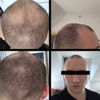
A user experienced hairloss due to a folic acid deficiency and saw hair regrowth after taking a folic acid supplement. They advise checking for a folic acid deficiency before spending money on other treatments.
Hairloss due to vitamin B12 deficiency is discussed, with some users suggesting supplements and dietary changes, while others recommend medications like finasteride or dutasteride. The conversation highlights differing opinions on the cause of hairloss, with some attributing it to genetics or male pattern baldness.
The user is concerned about hairloss and is considering treatments like finasteride and minoxidil but is unsure about their effectiveness and side effects. They have experienced mixed reactions to shaving their head and are struggling with confidence due to balding.
A man lost his transplanted hair despite using minoxidil because he wasn't on a DHT blocker like finasteride, which is essential to prevent further hairloss. The conversation emphasizes that hair transplants are not a cure and require maintenance with medications to preserve results.
The conversation is about a hairloss treatment protocol involving microneedling, finasteride, RU58841, minoxidil, ketoconazole shampoo, and a scalp massager with oils. Some users advise starting with fewer treatments like finasteride, minoxidil, and microneedling to avoid potential side effects.
Cutting sugar may not significantly impact hairloss, as DHT and androgen receptors are the main issues. Effective treatments include finasteride, dutasteride, RU58841, and minoxidil, often combined with microneedling.
Hairloss is a common issue, with treatments like finasteride and minoxidil used but not as permanent cures. Frustration exists over societal perceptions and the lack of a definitive solution.
The user is experiencing stage 2 hairloss and thinning, noticing more scalp visibility with short hair. They are considering diet, yoga, scalp massage, supplements, and a serum recommended by their doctor, and questioning if it's safe to stop using the serum and whether to get a blood test since hairloss isn't a family trait.
The conversation is about hairloss and regrowth, with the original poster discussing iron deficiency and using iron supplements. Other users mention treatments like finasteride, minoxidil, ketoconazole shampoo, and hair care products for managing symptoms.
A user shared their experience with microneedling and minoxidil for hairloss, avoiding finasteride due to concerns about systemic hormone effects. They reported slight hair regrowth after one month and plan to continue the regimen, noting improvements in skin sensitivity and managing dandruff with anti-dandruff shampoo.
The user is allergic to minoxidil and seeks alternatives for hair regrowth. They have been using finasteride for two years, which stopped hairloss but did not promote regrowth.
Topical retinol does not affect hairloss and may help hair regrowth. It is different from isotretinoin, which can cause hairloss due to its systemic effects.
The user is experiencing diffuse thinning and inflammation despite using 2.5mg dutasteride daily, ciclopirox, and ketoconazole shampoos. They are considering treatments like hydroxychloroquine and JAK inhibitors due to suspected scarring alopecia and have faced challenges in obtaining a scalp biopsy.
A 21-year-old is experiencing aggressive hairloss and dandruff, possibly due to seborrheic dermatitis, and is using pumpkin seed oil, scalp massages, and anti-dandruff shampoo as treatments. They are hesitant to use prescribed Finasteride and Minoxidil and have noticed some improvement after stopping Serenoa capsules.
The user is experiencing hairloss and has tried natural remedies like hibiscus shampoo and an oil mixture with coconut oil, curry leaves, fenugreek seeds, and castor oil, but saw no lasting improvement. They are advised to consult a dermatologist and consider treatments like finasteride, minoxidil, and Nizoral shampoo.
Improved sleep has significantly benefited hair health, with noticeable regrowth at the hairline and possibly the crown, alongside better skin and mood. Consistent sleep, alongside treatments like finasteride and minoxidil, is recommended for better results.
Diffuse thinners often experience more hair regrowth with DHT blockers like finasteride, possibly due to less DHT sensitivity and the presence of miniaturized, not completely bald, follicles. However, regrowth varies widely among individuals, influenced by factors like genetics, the stage of hairloss, and treatment methods such as minoxidil, microneedling, and dermarolling.
Minoxidil and finasteride are effective for hairloss, but natural oils like pumpkin seed oil and saw palmetto are not proven to be effective. Topical finasteride may be an option for those who cannot tolerate oral finasteride.
A user has been experiencing hairloss for 4 years, with treatments like minoxidil, finasteride, and various supplements proving ineffective. They were diagnosed with fibrosing alopecia in a pattern distribution, a condition that may require a combination of anti-inflammatory and hair growth treatments.
Hairloss treatments, including minoxidil, dermarolling, finasteride, dutasteride, hair transplants, hair systems, and shaving the head. The conversation covers various opinions on these treatments and mentions possible side effects as well as alternatives like wigs, vitamins, and lifestyle changes. The post expresses disappointment that there has been no major breakthrough in the field of hairloss treatments despite decades of research.
A user with long-term hairloss has been using topical minoxidil, finasteride, RU58841, ketoconazole, and dermastamping for 8 months. They are unsure if the new hairs are miniaturized or vellus.
PP405 may induce new hair growth but cannot revive completely dead follicles, and its effectiveness on hairlines is uncertain. It is expected to be available by mid-2028, but users are advised to manage expectations and consider using other treatments like minoxidil and finasteride.
Some people see significant hair regrowth using treatments like finasteride and minoxidil, while others experience little to no improvement even with comprehensive treatment plans. Factors such as individual sensitivity to DHT may influence the effectiveness of these hairloss treatments.
A user experienced hair thinning and scalp issues after using a sebum-regulating shampoo and perm treatments. They are advised to consider potential allergies, try a simple shampoo, and research treatments like finasteride for possible male pattern baldness.
The user experienced hair regrowth and stopped hairloss using a natural DHT blocker and later finasteride, despite initial side effects. They plan to add topical minoxidil to address remaining thin spots.
A 22-year-old is experiencing hairloss, particularly fuzzy hair in the front, and is concerned about male pattern baldness. Treatments mentioned include Propecia (finasteride), minoxidil, PRP treatments, dermarolling, peppermint oil, and apple cider vinegar.
User tried topical fin, dut, min, tret, hydrocortisone, microneedling, nizoral, collagen, propidren supplements, and laser helmet for hairloss with slow progress. They ask if topical spironolactone is a safer, effective alternative to RU for suppressing testosterone and treating hairloss in men.
A user has been experiencing hairloss since 2013 and has tried various treatments including finasteride, minoxidil, fluridil, pantostin, stemoxydine, microneedling, and Nizoral. They reported improvement after adding antiandrogens and other treatments in July of the previous year but stopped finasteride due to erectile dysfunction.
Hairloss can be distressing, but treatments like finasteride, minoxidil, and scalp micropigmentation can help manage it. Embrace self-improvement, focus on personal goals, and maintain a positive attitude despite hairloss challenges.