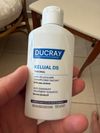
The user is using ketoconazole shampoo, 5% minoxidil, and microneedling for hair loss treatment. It's suggested that adding a DHT suppressant like finasteride could improve results.
The conversation discusses using Ketozolin shampoo in Germany as an addition to finasteride and minoxidil for hair loss treatment. Users recommend applying a small amount 2-3 times a week, leaving it on for 5-10 minutes.
The user shared their positive experience with hair loss treatment using 1mg finasteride, 0.5mg minoxidil, vitamins, ketoconazole shampoo, and a thickening shampoo, noting significant progress and minimal side effects. They emphasized the importance of trying treatments despite initial shedding and shared their routine for managing frizzy hair.
A user with mild psoriasis on the scalp is using finasteride, topical minoxidil, and dermarolling for hair loss but plans to stop minoxidil on the crown due to psoriasis aggravation. Suggestions include switching to a lipid-based minoxidil, using Ketoconazole shampoo, or trying oral minoxidil.
The conversation discusses hair loss shampoos, highlighting those containing caffeine and adenosine. It also mentions treatments like Minoxidil, finasteride, and RU58841.
User is experiencing a very dry scalp with thick white flakes from using liquid minoxidil twice daily for a year. They use Nizoral every 10 days and are seeking advice for a healthier scalp, with a suggestion to use finasteride instead.
The conversation discusses the effectiveness of Urbanman Australia Hair Growth shampoo, which contains rosemary and castor oils, but likely in low concentrations. The shampoo may improve scalp condition but is not expected to significantly impact hair growth; it also contains caffeine and has antibacterial, antifungal, and antidandruff properties.
The user is using 1mg oral finasteride, 1.25mg oral minoxidil nightly, and ketoconazole shampoo weekly for hair loss, reporting no side effects. They self-prescribed after inconsistent use of topical minoxidil, using Lonitab from Intas pharmaceutical.
The conversation is about a user considering Dr. Groot shampoo for hair loss while already using oral minoxidil, finasteride (transitioning to dutasteride), and birth control. The user is curious about the potential benefits of caffeine in the shampoo for pattern baldness.
A new alcohol-free, propylene glycol-free topical finasteride foam is available for prescription in Canada and the USA, offering a cleaner alternative for hair loss treatment. The product also offers a combination of 0.1% finasteride with 5% minoxidil and aims to be affordable and less irritating for sensitive scalps.
The user shares a hair loss routine involving finasteride, B-Complex vitamins with biotin, pumpkin seed oil, apple cider vinegar, aloe vera, honey water, olive oil, and tea tree oil. They emphasize avoiding shampoo and using natural rinses to maintain scalp health and promote hair growth.
A straightforward hair loss treatment involves using Minoxidil twice daily, microneedling weekly, and using silicone-free shampoo. Shaving the head can simplify the routine, and consistency is crucial for effectiveness.
Scalp massages may show slight improvement in hair appearance, but users suggest more aggressive treatments like finasteride or minoxidil for better results. Some users believe lighting and angles affect photo comparisons, and recommend combining massages with medication.
A 20-year-old male using Minoxidil and finasteride for 6 months and keto shampoo for 5 months saw initial improvement in dandruff, but the condition returned. He recently started using 3% salicylic acid shampoo and seeks advice for persistent dandruff, which is oily and localized to the left side of his scalp.
User tried topical fin, dut, min, tret, hydrocortisone, microneedling, nizoral, collagen, propidren supplements, and laser helmet for hair loss with slow progress. They ask if topical spironolactone is a safer, effective alternative to RU for suppressing testosterone and treating hair loss in men.
The user is experiencing scalp irritation and increased hair loss while on vacation, possibly due to hard water and sun exposure. They have stopped using a minoxidil and finasteride spray due to burning sensations and are using a prescribed betamethasone and salicylic acid solution along with ketoconazole shampoo.
Using 2% ketoconazole daily can dry out the scalp; 1-2 times a week is recommended. Combining ketoconazole with treatments like minoxidil, alfatradiol, and fluridil can help manage hair loss effectively.
The conversation discusses using minoxidil for hair growth and asks for recommendations on shampoos, conditioners, and other products to support hair growth and stop hair loss. It also inquires about the frequency of washing hair and the effects of using oils like coconut oil on pores.
The user seeks advice on making hair look healthier, mentioning past use of finasteride after a hair transplant. They request recommendations for nourishing shampoo/conditioner, hair growth vitamins, a good hair oil, and a natural method to cover greys.
A user found that scalp itch might be linked to inflammation rather than DHT alone and noticed hair improvement with certain cancer drugs. They also discovered that black seed oil relieved their scalp itch and are experimenting with a mix of essential oils for dry scalp, questioning if oils affect minoxidil absorption.
The user is experiencing scalp irritation after increasing their finasteride and minoxidil dosage with tretinoin and is considering reducing application frequency. They seek advice on managing the irritation.
User uses Indian hair serum with procapil and procyanidin b2, stopped minoxidil due to allergies. Seeks advice on hair wash techniques and products for shoulder-length hair and scalp care while using hair growth serums.
Minoxidil can cause flaky skin, and users suggest using ketoconazole 2% shampoo three times a week and a pH-balanced shampoo on other days to help manage it. Argan oil was considered but may leave hair oily.
The user has been using topical melatonin spray with finasteride and dutasteride to reduce hair shedding but dislikes the lavender scent of their current spray. They are seeking recommendations for a scentless or better-smelling melatonin spray.
The user is experiencing stage 2 hair loss and thinning, noticing more scalp visibility with short hair. They are considering diet, yoga, scalp massage, supplements, and a serum recommended by their doctor, and questioning if it's safe to stop using the serum and whether to get a blood test since hair loss isn't a family trait.
A user experienced a burning, itchy scalp and hair thinning despite trying finasteride, steroid cream, antihistamines, various shampoos, and supplements. They seek advice on relieving the itch, hoping it will improve hair health.
The conversation discusses a natural approach to hair loss treatment, including using natural shampoo, daily scalp massages, derma rolling, and dietary changes, with the goal of improving hair health. Some users express skepticism about natural methods, advocating for finasteride or minoxidil, while others share positive experiences with natural treatments like essential oils and derma rolling.
Inflammation on the scalp can hinder hair regrowth and the effectiveness of treatments. The user is using ketoconazole shampoo, Selsun Blue, finasteride, and oral minoxidil.
Minoxidil can cause scalp dryness and flaking, leading to hair shedding when exfoliating. Alternatives like oral Minoxidil, finasteride, and ketoconazole shampoo are suggested to manage these issues.