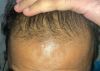
The user is considering liposomal minoxidil due to non-response and side effects from other treatments. They are exploring tretinoin with topical minoxidil as an alternative.
Adding tretinoin to minoxidil may help non-responders but likely won't improve results for those already responding to minoxidil. The user plans to try tretinoin with minoxidil and finasteride to see if it enhances hair regrowth.
Hair loss treatments, specifically minoxidil (Minoxidil) and finasteride (Fin). The conversation includes comments about non-responders, the possibility of becoming a responder with grapefruit juice, disappointment, and acceptance of baldness.
Minoxidil with alcohol and propylene glycol was more effective than non-alcohol versions, and RU58841 worked best in a non-water-based solution. Oral finasteride showed better results than topical, despite side effects; microneedling and tretinoin worsened hair loss, and PRP was only helpful when younger.
The conversation discusses using tretinoin with topical minoxidil for hair regrowth, despite previous non-response to minoxidil and concerns about oral minoxidil's heart risks. The user is also on dutasteride and is considering a hair transplant if other options fail.
Fluridil, a non-steroidal anti-androgen approved for alopecia in parts of Europe, is noted for its low side effects but is not commonly discussed. The user is inquiring if anyone prefers it over other anti-androgens like Spiro or RU58841.
User tries dermapen for hair loss and plans to use non-mainstream topicals like c60, ghk-cu, and ptd-dbm with valproic acid. They also use a head massager and modified LLLT belt for additional treatment.
User questions credibility of a hair loss "cure" found by a non-expert and warns against wasting money on unproven supplements. Others discuss trying natural extracts and the importance of researching the enzyme 3ADH for potential hair growth benefits.
Pelage secured $120 million for PP405, a non-hormonal topical hair loss treatment, sparking debate on its potential as a breakthrough. Concerns about finasteride's side effects persist, with some suggesting alternatives like topical finasteride or dutasteride.
The conversation discusses the use of RU58841, a non-FDA approved research chemical for hair loss, with mixed opinions on its safety and effectiveness. Some users are willing to try it as a last resort after other treatments like Minoxidil and Finasteride failed, while others express concerns about potential long-term side effects and lack of official research.
Licorice is not recommended for hair loss as it inhibits hair growth and is a non-selective testosterone inhibitor. Alternatives like spironolactone are suggested for those considering hormonal treatments for hair loss.
The user experienced side effects from finasteride and Nutrafol, opting for non-hormonal treatments like minoxidil, exercise, and a healthy lifestyle. Others discussed using Dutasteride, Biotin, and minoxidil with varying success and side effects.
Microneedling with minoxidil significantly boosts hair growth, even for non-responders to minoxidil alone. The routine includes a 1.5mm dermaroller weekly and minoxidil twice daily, with some users adding finasteride and tretinoin.
The conversation discusses preventative hair care measures for hair loss, focusing on non-prescription treatments like rosemary, peppermint, castor oils, microneedling, and ketoconazole shampoo. It also touches on the use of finasteride, minoxidil, and RU58841 for those experiencing hair loss.
The user is experiencing scalp irritation from a compounded treatment of finasteride, minoxidil, and tretinoin. They are considering switching to a non-alcohol, propylene glycol-free formula with a lower tretinoin percentage to reduce irritation.
Alcohol-based minoxidil absorbs better but can cause irritation; non-alcohol-based is gentler. Topical dutasteride shows promise but needs more research; low-dose oral minoxidil (0.25 mg/day) is effective with fewer side effects. Ingredients like Procapil, Redensyl, caffeine, and Anagain in shampoos have limited evidence; ketoconazole shampoo can help when used 2-3 times a week with other treatments.
Finasteride may affect liver function and cortisol levels, potentially linking it to non-alcoholic fatty liver disease (NAFLD). More research is needed to understand this connection fully.
Ketoconazole is no longer sold in the UK, and pharmacies have replaced it with non-ketoconazole options. Users are discussing its availability and possible alternatives.
Low-level laser therapy (LLLT) stimulates hair growth but current devices are expensive. A proposed non-profit project aims to create affordable, 3D-printed LLLT devices and collect data on their effectiveness.
The conversation is about making topical finasteride using ethanol. The user is advised to use non-denatured or food-grade ethanol, as denatured ethanol may be harmful with prolonged skin exposure.
Nizoral shampoo reduced shedding but caused hair dryness. Alternatives like non-SLS ketoconazole shampoos, such as Regenpure DR, are recommended for use 2-3 times a week to avoid dryness.
Microneedling, ketoconazole, and tretinoin are discussed as hair loss treatments, with tretinoin favored for its long-term benefits and potential to turn minoxidil non-responders into responders. Microneedling is recommended for initial use, ketoconazole for dandruff, and tretinoin for continuous use due to its skin benefits.
OP plans to switch from topical to oral minoxidil due to limited results and is advised to overlap both for a few weeks before discontinuing the topical. Oral minoxidil may be more effective for non-responders to topical treatment.
A user shared their positive experience with a hair transplant in Turkey, using 4350 grafts, and described it as the best decision of their life. They discussed using finasteride to maintain non-transplanted hair and addressed questions about the procedure and recovery.
The user is experiencing scalp itching from a PG ethanol base in their hair loss treatment, which includes 0.025% finasteride and 2.5% minoxidil, and is seeking alternatives without PG or ethanol. Suggestions include Zeuss non-PG foam and Ulo, which do not use PG or hydrocortisone.
The user stopped oral treatments due to side effects and switched to a regimen of topical minoxidil, tretinoin, azelaic acid, and dermaneedling, with recent addition of topical finasteride. They are questioning the long-term effectiveness of non-hormonal methods and considering hair transplantation.
The user has been using a topical solution containing minoxidil and finasteride for 10 months but is not satisfied with the results, as there is no significant hair regrowth or thickening. They are questioning whether they are a non-responder or if they should continue the treatment longer.
The conversation discusses hair loss and its potential link to caffeine consumption, with the original poster experiencing increased shedding after consuming more coffee. They mention being a non-responder to finasteride and plan to reduce coffee intake, while others suggest various factors like stress, physical exertion, and medication changes could also contribute to hair loss.
Topical caffeine is considered ineffective for hair growth, with users favoring minoxidil, finasteride, and dutasteride. Some view it as a scam or only useful for non-responders to other treatments.