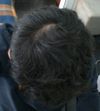
A 21-year-old experiencing itchy and burning scalp with hair loss was diagnosed with MPB and scalp inflammation. They were prescribed Ketoconazole, Prednisone, Clindamycin, and Finasteride, and are considering trying antihistamines, dietary changes, and "nopoo" to alleviate symptoms.
The user is asking if using a 10% fluridil formulation would be effective for blocking scalp androgens in addition to their current treatment of oral dutasteride.
A 27-year-old male is experiencing hair loss and dandruff, despite trying various treatments like cortisone, diflucan, and natural remedies. He is considering shaving his head and is seeking advice on the "Big 3" treatment, which includes Minoxidil, finasteride, and RU58841.
Female with PCOS experiences receding and thinning hair, wants dutasteride instead of spironolactone. Discusses desire to reduce DHT without losing libido.
The user is experiencing hair loss, initially diagnosed as Telogen Effluvium due to stress, but is concerned it might be Androgenetic Alopecia (AGA). A suggestion was made to consider using Minoxidil or Finasteride if the condition worsens.
A user achieved significant hair regrowth from Norwood 3 to a dense Norwood 2 after five months using oral dutasteride, oral minoxidil, and a topical solution with minoxidil, retinoic acid, and hydrocortisone. The user reported no side effects and found the topical treatment especially effective for the hairline.
A 25-year-old experiencing hair thinning all over the body and head, despite using minoxidil and having low vitamin D levels, is advised to seek a second opinion from a dermatologist specializing in hair loss. The likely diagnosis is diffuse alopecia areata, which may require treatment with a JAK inhibitor.
The user is experiencing white flakes on their scalp despite using anti-dandruff shampoos and oils for six weeks. A suggestion was made to try ketoconazole at higher concentrations, as it might be seborrheic dermatitis, which can lead to hair loss if untreated.
The user is experiencing hairline thinning despite using finasteride, minoxidil (solution and foam), dermastamping, and tretinoin. They suspect minoxidil or tretinoin might be causing the issue but are unsure.
The conversation is about hair regrowth using topical finasteride, minoxidil, and keto spray, along with oral Saw Palmetto, Lustriva complex, collagen, and microneedling. Users discuss their experiences with these treatments, noting improvements in hair density and color, with some experiencing mild side effects.
A potential treatment for alopecia involving a protein that calms hair follicles has shown promise in rats, but skepticism remains about its applicability to humans. Many users express doubt about the timeline for effective hair loss treatments, comparing it to past unfulfilled promises.
Pyrilutamide did not show effectiveness in regrowing hair compared to a placebo, but it may still help maintain existing hair by preventing DHT from causing follicle miniaturization. Some users believe it could be beneficial when used with other treatments like minoxidil, finasteride, and dutasteride.
Switching from liquid to foam Minoxidil to avoid scalp irritation, with a method to melt the foam for easier application. Users discuss alternatives and personal experiences with Minoxidil, including issues with propylene glycol and different application methods.
A 38-year-old user discusses their experience with hair loss and the impact of comments about their bald spot, despite using treatments like topical finasteride, minoxidil, and tretinoin. The conversation highlights the emotional impact of unsolicited comments on appearance and suggests exploring additional treatments like oral minoxidil and finasteride for further improvement.
A user is experiencing severe hair loss, diagnosed with seborrheic dermatitis, and is using Ketoconazole and beclomethasone. They are concerned about potential female pattern baldness and are seeking reassurance and advice.
A 22-year-old is experiencing hair loss, particularly fuzzy hair in the front, and is concerned about male pattern baldness. Treatments mentioned include Propecia (finasteride), minoxidil, PRP treatments, dermarolling, peppermint oil, and apple cider vinegar.
The individual is experiencing hair thinning primarily at the front/middle of their scalp and is seeking to identify the type of hair loss they have. They already use treatments like oral Minoxidil, topical Finasteride, Tretinoin gel, dermarolling, and various oils and shampoos.
A user with seborrheic dermatitis is experiencing bald spots and hair thinning despite changing their diet and taking oral minoxidil. Another user suggests using ketoconazole shampoo properly, using a scalp massager, applying rosemary/peppermint oil, keeping hair short, and taking fish oil to improve scalp health.
27F with androgenic alopecia since 17 seeks treatment. Tried spironolactone, caused low blood pressure; believes finasteride is safer and wants to try it.
Topical dutasteride is suggested as a low side-effect treatment for hair loss, with a proposed dose of 0.025% 1ml/day. It is considered better than finasteride due to its even inhibition of DHT isoforms and lower systemic absorption.
Topical tretinoin applied to the face may exacerbate hair loss in some individuals, potentially triggering conditions like frontal fibrosing alopecia. Experiences vary, with some users reporting no impact on hair, while others experience significant hair loss.
Effective treatments for male pattern baldness include finasteride, dutasteride, and oral minoxidil. Non-effective approaches include oils, shampoos, serums, laser therapies, massages, vitamins, and microneedling.
Low-Level Laser Therapy (LLLT) is seen as a safe and effective method for maintaining hair and promoting regrowth in androgenetic alopecia (AGA) and male pattern baldness (MPB), with devices like the HairMax LaserComb® and iRestore helmet being popular. Some users and professionals are skeptical about its long-term effectiveness and cost.
Exploring the idea of using facial hair properties for scalp regeneration in male pattern baldness, considering the potential of transferring androgen-resistant characteristics from facial hair to the scalp. Challenges include complexity, scalability, aesthetics, and safety, but the concept encourages innovative thinking beyond current treatments like Minoxidil, Finasteride, and hair transplants.
Low-level laser therapy (LLLT) devices may help thicken existing hair but are not effective for regrowing hair on bald areas. Users suggest sticking with finasteride, minoxidil, and dermapenning, as LLLT devices like Capillus are expensive and results are mixed.
A 21-year-old with accelerated hair loss due to stress and weight loss is using minoxidil, finasteride, and microneedling to combat balding, despite experiencing a significant initial hair shed. They are committed to continuing treatment for at least three months and are considering switching to topical finasteride if necessary.
A 24-year-old shared their 7-month progress using a topical solution of finasteride 0.1%, minoxidil 5%, and hydrocortisone butyrate 0.08%, along with ketoconazole shampoo, to treat hair loss, reporting no side effects and noticeable hair improvement. They also take vitamin D and biotin supplements, use a dermastamp, and manage Hashimoto's without thyroid medication.
The conversation discusses potential hair loss treatments, including Setipiprant, Bimatoprost, and Follicept. The user encourages signing up for Follicept, which may come to market soon.