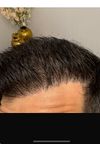
The user has been experiencing continuous hair loss despite using finasteride, minoxidil, and dermastamping. They are seeking advice on what to do next.
The conversation discusses hair loss treatments, focusing on reducing scalp itching and dandruff using natural shampoos, witch hazel, and apple cider vinegar. The user also mentions using finasteride and observing potential regrowth, though it's difficult to confirm.
OP asked if Alfatradiol 0.1% can maintain hair after a transplant. Responses suggest using stronger treatments like finasteride or micro-dosing oral finasteride instead.
An 18-year-old diagnosed with male pattern baldness is using probiotics, saw palmetto, pumpkin seed oil, soy isoflavones, biotin, fish oil, quercetin, a multivitamin, and ketoconazole shampoo. Replies suggest these methods are ineffective and recommend finasteride, minoxidil, and a derma roller.
Transplanted hairs are thinning after switching from topical to oral minoxidil, with increased shedding and miniaturization. The user is considering reintroducing topical minoxidil and has started using ketoconazole shampoo.
Microneedling and ketoconazole alone are not effective for female pattern baldness. They are best used as complementary treatments alongside other medications like finasteride, spironolactone, or dutasteride.
Treatment options for female alopecia androgenetica, discussing the availability of spironolactone online in The Netherlands and other potential treatments like finasteride, minoxidil and RU58841.
A user shared progress on treating female pattern baldness with a topical solution containing Minoxidil, Dutasteride, Tretinoin, Ketoconazole, and Hydrocortisone, along with supplements like Collagen Peptides, NAC, Vitamin C, and Keratin. Another user commented on the impressive results, noting the use of topical Dutasteride.
A 15-year-old is experiencing hair loss and is considering treatment options. They are aware they cannot use DHT blockers like finasteride due to their age and are exploring other causes like Telogen Effluvium.
A user experienced significant hair loss after starting microneedling, despite using dutasteride and topical minoxidil. They are advised to consult a doctor as the shedding pattern is unusual and may indicate alopecia areata or other scalp conditions.
A 29-year-old is using 5% topical minoxidil, 5 mg oral minoxidil, 1 mg finasteride, Nizoral shampoo, and weekly microneedling to treat hair loss, reporting significant progress in hair regrowth and hairline improvement. The routine includes applying minoxidil twice daily, managing dead skin with shampoo, and using a baseball cap to maintain hair appearance.
The user is seeking advice on maximizing hair growth while using oral finasteride, topical minoxidil, Nizoral, and microneedling, and is considering adding a laser diode cap, topical finasteride, retinol, and caffeine. Suggestions include using tretinoin with minoxidil for better absorption, switching to dutasteride, and considering RU58841 or pyrilutamide.
The user is experiencing white flakes and a greasy look from using a topical solution containing 0.025% finasteride, 8% minoxidil, 0.01% retinoic acid, and 1% hydrocortisone. Suggestions include reducing application frequency, using a brush to clean the scalp, and considering alcohol-free alternatives.
Tattooing hair loss drugs like minoxidil and dutasteride into the scalp is discussed as an alternative to daily pills, with mixed opinions on its effectiveness and convenience. Some users report positive results, but concerns about cost, potential side effects, and the procedure's discomfort are noted.
A 21-year-old is experiencing hairline recession and is using finasteride, saw palmetto, gelatin, topical minoxidil with retinoic acid, derma stamping, and scalp massage to address it. Suggestions include adding oral minoxidil, vitamin D3 with K2, and maintaining the current regimen for a year.
PP405 is ineffective for miniaturized, fibrosed hair follicles in androgenetic alopecia. AMP303 may activate hair follicle stem cells, but minoxidil and finasteride are still the main treatments.
The user is experiencing hair loss and has been using topical Minoxidil 5%, Keto 2% shampoo, and Tretinoin 0.025% for six months, with plans to start topical Finasteride 0.1% soon. They are advised to focus on DHT blockers like Finasteride and consider additional tests and supplements to address potential deficiencies and scalp health.
The user is experiencing aggressive hair loss and has been using minoxidil with initial success but is now seeing thinning again. They are considering starting finasteride and dermarolling while waiting for a dermatologist appointment.
A user shared progress on hairline improvement after 3 months using oral finasteride, topical minoxidil, and a dermaroller. They also use Alpecin Caffeine shampoo daily and ketoconazole shampoo weekly.
A user has been losing hair for two and a half years after a tropical trip and illness. A dermatologist prescribed betamethasone valerate 0.1% lotion, but the user is unsure if it's safe or effective for general hair loss.
The post and conversation discuss the link between DHT (a hormone), scalp itchiness, and hair loss. Some users share their experiences and treatments, including the use of fluconazole, corticosteroids, and ketoconazole shampoo, with one user suspecting minoxidil as a potential cause of their symptoms.
A user discusses their experience with hair loss, noting they don't notice shedding despite using finasteride, minoxidil, and tretinoin. Others share similar experiences, suggesting that shedding varies and may not occur for everyone using these treatments.
Using 2% ketoconazole daily can dry out the scalp; 1-2 times a week is recommended. Combining ketoconazole with treatments like minoxidil, alfatradiol, and fluridil can help manage hair loss effectively.
Scalp massaging for hair loss hasn't shown significant changes yet, but the scalp is more flexible. Combining treatments like minoxidil, tretinoin, dutasteride, inversion, microneedling, and a good diet might enhance results.
Various treatments like finasteride, minoxidil, dutasteride, and microneedling with PRP had no effect on hair loss. The user is considering laser diode caps as a potential option.
The user has been treating hair loss with finasteride, dutasteride, oral minoxidil, and pyrilutamide for several years without success and is experiencing an inflamed scalp, possibly due to seborrheic dermatitis. They are seeking advice on additional treatments after these methods failed to improve their condition.
A 29-year-old male with androgenic alopecia was treated with oral Dutasteride, oral Minoxidil, and injectable Dutasteride, showing progress in 9 months. Some users believe Dutasteride mesotherapy is unnecessary and question its effectiveness compared to topical applications.