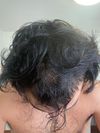
The user is experiencing severe hair shedding after using RU58841, stemoxydine, and minoxidil, and has stopped using finasteride due to side effects. They hope the shedding is temporary and will lead to regrowth.
A user experienced significant hair regrowth after 5 weeks by taking zinc, vitamin D, and biotin supplements, correcting deficiencies that were contributing to hair loss and thinning. They report a decrease in hair shedding, faster hair growth, and a thickening of their hairline without using common hair loss medications like Minoxidil or Finasteride.
ABS-201, a prolactin receptor blocker, shows promise in reversing hair loss and graying, with early success in macaques. Current treatments like finasteride, minoxidil, and RU58841 are still widely used, but new options like PP405 are eagerly anticipated.
A 22-year-old is experiencing significant hair shedding and is using multiple treatments, including oral and topical minoxidil, finasteride, topical dutasteride, ketoconazole shampoo, and considering adding RU58841 and stemoxydine. Others advise patience, suggesting sticking to finasteride and minoxidil for at least a year before evaluating results, as initial shedding is normal and adding too many treatments can be counterproductive.
A 20-year-old with aggressive hair loss is using oral minoxidil and finasteride, considering a buzz cut to manage appearance. Most suggest a buzz cut or shaving, recommending patience with medication and possibly trying RU58841 or dutasteride.
Diffuse thinners often experience more hair regrowth with DHT blockers like finasteride, possibly due to less DHT sensitivity and the presence of miniaturized, not completely bald, follicles. However, regrowth varies widely among individuals, influenced by factors like genetics, the stage of hair loss, and treatment methods such as minoxidil, microneedling, and dermarolling.
A user shared their positive hair regrowth results after 4 months using topical minoxidil, a 0.5 dermastamp once a week, and ketoconazole shampoo. Some responses suggest adding finasteride to maintain results, while others praise the effectiveness of the treatments used.
A 25-year-old is experiencing mild hair loss and is using a regimen including scalp brushing, dermarolling, topical minoxidil, caffeine, melatonin, and a DHT-blocking shampoo. Another person shares their struggle with hair loss due to drug use and plans to start finasteride while trying to quit drugs.
A user shared their hair loss journey, showing improvement after starting finasteride, dutasteride, minoxidil 5%, and microneedling. They are curious about their degree of baldness and why their hair has thinned.
The user reports using topical minoxidil 6% and finasteride 0.05% once daily, along with microneedling, vitamins, biotin, and nizoral shampoo. They recently increased minoxidil and finasteride to twice daily and feel their hair is thicker but are unsure about regrowth.
The conversation is about a hair loss treatment protocol involving microneedling, finasteride, RU58841, minoxidil, ketoconazole shampoo, and a scalp massager with oils. Some users advise starting with fewer treatments like finasteride, minoxidil, and microneedling to avoid potential side effects.
The user reports that their hair loss treatment with oral minoxidil, dutasteride, finasteride, topical minoxidil, ketoconazole shampoo, and microneedling has plateaued, with no significant additional regrowth. They have stopped using creatine to simplify their regimen and are relieved with the current state compared to before treatment.
A 31-year-old man shares his 4-month hair regrowth progress using topical minoxidil, topical finasteride, microneedling, biotin, and other supplements. He reports new hair growth despite experiencing side effects from finasteride and plans to continue his regimen for further improvement.
The user shared progress on hair regrowth using topical minoxidil, finasteride, dermastamping, and Nizoral shampoo. They noticed new baby hairs on the hairline after six months of treatment.
The user discusses their hair loss experience, exploring various hypotheses including thyroid levels, vitamin D, DHEA, nutritional deficiency, diabetes, seborrheic dermatitis, lack of nutrition to hair follicles, chronic inflammation, female pattern hair loss causes, cortisol, and prolactin levels. They are currently using finasteride, beta-sitosterol, and have tried topical dutasteride and microneedling therapy.
The user is using minoxidil, finasteride, ketoconazole shampoo, biotin, and omega-3 for hair loss treatment. They are concerned about progress, but responses suggest patience and addressing dandruff for better results.
Keratin fusion bonds are discussed as an alternative to clip-on hair patches for men with diffused thinning. The conversation explores different styling options for hair loss.
A 31-year-old woman shared her 9-month progress using 5% minoxidil foam for hair loss, noting significant improvement after initial shedding and seeing regrowth by month 4. She also used ketoconazole shampoo and has been on spironolactone for acne, but did not use finasteride.
A 27-year-old shares his hair loss recovery journey using Minoxidil 5%, topical Finasteride 0.1%, oral Finasteride 1mg, Ketoconazole 2%, Climbazole + Piroctone Olamine weekly, and Vitamin D3 60k I.U. weekly. He reports significant improvement over four months.
Finasteride improved hair thickness for someone with diffused thinning after 11 months, with no side effects. Patience and consulting a dermatologist are advised, and minoxidil is suggested for additional support.
Clascoterone 5% solution (Breezula) is a promising alternative for androgenetic alopecia, showing continued hair growth with consistent use and no significant side effects. It may be suitable for those who cannot tolerate finasteride or dutasteride, especially when trying to conceive.
The user added topical minoxidil to their finasteride regimen, resulting in healthier hair and some regrowth, especially after quitting nicotine. They experienced minimal shedding and noted improvements in hairline density, finding the treatment mostly preventative.
A user is seeking hair loss treatments without using systemic DHT blockers like finasteride due to side effects. Suggestions include clascoterone (not FDA approved), pyrilutamide, RU58841, and low-dose topical finasteride, with a recommendation to consult a doctor.
A 20-year-old woman with androgenetic alopecia feels depressed about her hair loss, despite using topical minoxidil, spironolactone, and saw palmetto. Suggestions include trying oral minoxidil, higher doses of finasteride or dutasteride, and checking for vitamin deficiencies and heavy metal exposure.
A user shared their hair loss transformation using Minoxidil, Finasteride, and DermaStamp, showing significant improvement over time. They noted quitting DermaStamp due to laziness and attributed past poor results to heavy smoking.
A 29-year-old tried various hair loss treatments, including minoxidil, finasteride, dutasteride, derma stamp, and a hair transplant, but ultimately chose a hair system to cover baldness and boost confidence. The hair system looks natural and is praised by others for its appearance and feel.
A user's progress with hair loss treatments, including minoxidil, microneedling, nizoral 2%, finasteride 0.5mg/day and 0.5mg/ml per day in minoxidil, as well as RU58841 purchased from Anagen Inc., which allowed the user to go outside without a hat or cap for two years.
Pelage is recruiting for phase 2 trials, showing promise for treating bald regions. The discussion highlights its potential effectiveness based on its mechanism of action.
Treatments for hair loss, including topical dutasteride minoxidil, tretonin, dermarolling, serioxyl, and redensyl over a period of 3 months; switching from RU58841 to pyrilutamide was suggested with potentially less risk of systemic side effects; and encouragement to not give up hope.