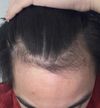
A 20-year-old experiencing diffuse thinning for two years has been using topical minoxidil and finasteride but hasn't noticed significant regrowth or reduced hair loss. They are seeking advice on whether to switch treatments, with suggestions including oral minoxidil, topical finasteride, and maintaining scalp health.
Some embrace baldness, while others promote treatments like minoxidil and finasteride. Opinions differ on accepting baldness versus pursuing hair regrowth.
A 19-year-old experiencing hair loss despite using minoxidil and finasteride for three months, with no family history of baldness except for maternal grandfather. The user is advised to continue the treatment for Androgenic Alopecia and not rely on home remedies.
A 15-year-old is experiencing uneven hair loss, with one temple receding significantly. They are considering using finasteride, minoxidil, or dutasteride to slow hair loss before visiting a dermatologist, and may consider a hair transplant in the future.
A 30-year-old male with thinning hair and an itchy, oily scalp found that hydrocortisone cream eliminated dandruff and itching and seemed to thicken his hair. He avoided minoxidil and finasteride due to potential side effects and noted that Nizoral and Head & Shoulders worsened his symptoms.
The user is experiencing aggressive hair loss since their teens and has tried finasteride, topical minoxidil, dutasteride, and oral minoxidil without success in halting the hair loss. They are seeking advice on how to stop it.
A 23-year-old has been using minoxidil, finasteride, 2% ketoconazole shampoo, biotin, a multivitamin, and microneedling to address hair loss, noticing baby hairs and a fuller frontal hairline but concerns about a thin right temple. They are considering adding rosemary oil and switching to a 1.5 mm dermastamp for further improvement.
A 17-year-old is experiencing rapid hair loss from NW1.5 to NW3 in six months and feels dermatologists are unhelpful. They are using Minoxidil (Rogaine) and seeking advice on application.
Natural remedies like rosemary oil, coconut oil, and onion juice are generally seen as less effective compared to medical treatments like finasteride, minoxidil, and microneedling. Some users believe natural oils can help, but modern medicine is often more reliable.
Creatine may increase scalp DHT without affecting serum DHT, potentially speeding up male pattern baldness (MPB) for those genetically prone. Treatments mentioned include Minoxidil, finasteride, and RU58841.
A 21-year-old male with a thyroid condition noticed his hair thinning uniformly without a receding hairline. He is considering using a 5ARI to prevent further baldness if he starts TRT.
Hair loss possibly caused by a fungal infection might be treated with antifungal shampoos or oral medications. If not fungal, treatments like minoxidil or finasteride may be necessary.
A person treated their diffuse alopecia with oral minoxidil (10mg daily), oral finasteride (reduced to 0.25mg daily due to side effects), castor oil, vitamins, and ashwagandha, and plans a hair transplant in Turkey. They stopped using topical minoxidil, have seen improved hair density, but are still experiencing hair loss.
The user noticed hair thinning since age 15, initially attributed to a Vitamin D deficiency. They are currently using Rogaine and considering Propecia but are hesitant about a scalp biopsy; they seek financially practical treatments for male-pattern baldness.
The user has tried finasteride, minoxidil, dutasteride, microneedling, retinol, topical finasteride, and ketoconazole for hair loss but continues to experience hair recession. They are considering adding oral minoxidil or RU58841 and are unsure about the next steps.
User regrew lost hair using microneedling, minoxidil, finasteride, Nizoral, fish oil, and collagen peptide. Progress was slow but constant, and patience was important.
The user has been using Nizoral shampoo, MCT oil with lavender oil, and tea tree conditioner for hair care, considering finasteride if no progress is seen. Some users notice progress in hair thickness and density after three months.
A teenage girl who has been diagnosed with ADA and is struggling with hair loss, which has caused her to lose confidence. She is looking for recommendations on treatments such as finasteride or Minoxidil, and lifestyle advice including vitamins and other supplements that might help with the issue.
Hair cloning technology is advancing, with clinical trials for improved methods expected by 2028 and 2029, potentially offering a solution for hair loss if donor follicles remain. Organtech's expansion into other biotech areas may secure funding, but the effectiveness of cloning depends on the availability of androgen-resistant donor follicles.
A user discusses their rapidly receding hairline and a prescribed topical solution containing 7% Minoxidil, 0.1% Finasteride, and 3% biotinoyl tripeptide. The solution is a custom compound from their dermatologist, costing $50 for a one-month supply.
A 25-year-old who started losing hair at 16 and reached almost NW7 by 20 saw hair regrowth using a regimen including dutasteride, minoxidil, nizoral, and a dermaroller, along with supplements like biotin, zinc, and omega-3. After initial success, they experienced shedding, added more supplements and treatments, and sought advice on whether to continue; responses encouraged them to persist as shedding is often part of the hair regrowth cycle.
The conversation discusses hair loss treatments, focusing on reducing scalp itching and dandruff using natural shampoos, witch hazel, and apple cider vinegar. The user also mentions using finasteride and observing potential regrowth, though it's difficult to confirm.
The user is considering a second hair transplant or scalp micropigmentation to address thinning in the crown area and hide scars from a previous transplant. They have been using finasteride and minoxidil for three years but are concerned about the appearance of their donor area and the effectiveness of scalp micropigmentation.
The user has been using minoxidil, dutasteride, and microneedling for hair loss but has noticed accelerated thinning at the crown and hairline recently. They plan to start using Nizoral and have a dermatologist appointment soon.
The user has seen significant hair regrowth using topical minoxidil and dutasteride, with better results than finasteride alone. Despite concerns about hairline and temporal peaks, others believe a hair transplant is unnecessary due to the current hair condition.
The user is treating hair loss with 1mg finasteride every other day, daily topical minoxidil, and weekly derma rolling, and is considering using hair fibers for special occasions. There is a discussion about the initial shedding phase of minoxidil treatment and the importance of consistent photo conditions to track progress.
A 22 year old man who is experiencing hair loss, thinning and dry scalp, has tried treatments such as finasteride and minoxidil, and other users sharing their experiences with similar issues.
The user is using ketoconazole shampoo, 5% minoxidil, and microneedling for hair loss treatment. It's suggested that adding a DHT suppressant like finasteride could improve results.