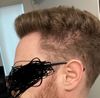
A user with long-term hair loss has been using topical minoxidil, finasteride, RU58841, ketoconazole, and dermastamping for 8 months. They are unsure if the new hairs are miniaturized or vellus.
Hair loss without a white bulb may indicate mechanical damage, anagen effluvium, alopecia areata, or traction alopecia. Seeking a specialist is recommended, but access can be difficult in smaller areas.
Topical roflumilast is effective for reducing inflammation in various scalp conditions like seborrheic dermatitis, psoriasis, and eczema, but not proven to stop scarringalopecia. Alternatives like apremilast and Vtama are also discussed for their anti-inflammatory benefits.
The conversation discusses changes in scalp texture and appearance in areas of hair loss, with concerns about the suitability of these areas for hair transplants. Users mention issues like fibrosis, inflammation, and thinner skin, advising caution and consultation with clinics before proceeding with transplants.
A 25-year-old with AGA experienced hair thinning and dandruff, stabilized with topical finasteride and minoxidil but saw minimal regrowth. They seek advice on styling and consider oral minoxidil and microneedling for denser hair.
The individual has experienced a sore, stiff, and itchy scalp with hair loss for 4.5 years, and has noticed increased thinning and miniaturized hairs, especially at the temples. They have tried ketoconazole shampoo without success and are considering finasteride for treatment.
A 19-year-old male has been using topical finasteride and minoxidil for 8 months with no progress and is considering seeking a second opinion due to potential misdiagnosis. The discussion revolves around whether the hair loss is due to male pattern baldness, alopecia areata, or a vitamin deficiency.
A user experienced androgenic alopecia starting at the vertex without frontal hairline recession and is seeking information on this pattern. Another user noted that vertex or diffuse hair loss is common among men.
A user did not respond to finasteride, dutasteride, and oral minoxidil for hair loss after four years of treatment and is considering scalp micropigmentation (SMP). Other users suggest the hair loss pattern may indicate alopecia areata and recommend seeing a dermatologist.
A 25-year-old male experienced significant hair loss due to telogen effluvium and androgenetic alopecia. He began using finasteride, minoxidil, and vitamins, seeing some regrowth but remains worried about hair density.
A user is interested in seeing scalp tattoos as a response to hair loss, specifically looking for creative designs rather than scalp micropigmentation. They are considering this approach for their own Norwood 5 hair loss situation.
Hair loss and potential treatments, primarily focusing on Finasteride and Minoxidil. Other solutions discussed include PRP, dermarolling, LLP, and scalp tension relief.
The conversation discusses diffuse unpatterned alopecia (DUPA) and its possible causes, including sensitivity to DHT, not being androgenic alopecia, being diffuse alopecia areata, or hormonal issues. Treatments mentioned include topical melatonin, Clobetasol Propionate for alopecia areata, and the lack of results from using finasteride, dutasteride, and minoxidil.
Most scalp serums are ineffective for hair loss, with Nécessaire’s “The Scalp Serum” being the only one showing noticeable results, though it's not worth the cost. For androgenetic alopecia, clinical treatments like minoxidil and finasteride are necessary, while caffeine and capixyl may offer some benefits.
8 months post hair transplant, OP experiences asymmetrical shedding despite using finasteride and starting minoxidil. The doctor suggests it might correct itself or be due to transplant trauma, recommending a wait-and-see approach.
A 22-year-old male has been experiencing widespread hair loss for over four years, including pain and significant shedding. Treatments tried include ketoconazole shampoo, fluocinonide topical solution, biotin, ACV, and dry shampoo, but none have been effective.
Treating Seborrheic Dermatitis, a fungal scalp condition which can cause hair loss. Treatments discussed include antifungal shampoos, cold showers, exfoliating the scalp, taking Vitamin D, and stimulating the prostate through the anus.
Individuals with oily scalps, dandruff, and diffuse thinning hair loss who have managed to either halt the loss or regrow their hair by using topical finasteride and minoxidil as well as microneedling and ketoconazole 2% shampoo.
A 27-year-old male with AGA and diffused thinning has been using oral Minoxidil, Finasteride, Vitamin D, B12, Iron, and Ketoconazole shampoo. Despite a hair transplant and improved blood levels, he continues to experience hair loss and suspects a possible misdiagnosis of Alopecia Areata Incognita.
Microneedling may worsen hair loss due to potential scarring and inflammation, with some users suggesting caution and proper technique to avoid damage. Alternatives like Minoxidil, finasteride, and RU58841 are implied as safer options.
A 20-year-old is experiencing hair loss and is using finasteride, ketoconazole, and topical minoxidil. They suspect retrograde alopecia due to hair loss on the sides and nape, despite noticing some hair thickening on top.
A user claims a product can treat alopecia, but others are skeptical, calling it a scam due to lack of evidence and transparency. The product is said to inhibit Type II 5-αr by 22.9%, but is considered weaker than existing DHT blockers.
Diffuse thinning can result in varied regrowth, with some users experiencing better results at the hairline and others at the crown. Treatments mentioned include finasteride, minoxidil (oral and topical), RU58841, microneedling, and dermarolling.
The conversation is about a person experiencing significant hair loss in the donor area after a hair transplant, with others suggesting it might be shock loss. The person is taking oral minoxidil and dutasteride to help with the issue.
User experienced hair loss from Norwood 3.5 to Norwood 5 with diffuse thinning after using a hair system for 2 years. Tried Redensyl, Capixyl, Bicapil, Biotin, multivitamins, Fin, and Min without significant improvement, seeking advice for hair recovery.
The user experienced increased hair loss and scalp itchiness despite using finasteride and plans to resume minoxidil and start microneedling. They are considering using clay, Aveda thickening tonic, and a beanie to manage the appearance of thinning hair.
A user shared their experience with hair transplant scab removal, noting that most scabs came off easily without bleeding by using oil and shampoo. They sought advice on whether any hair was lost during the process, and others reassured them that no hair was lost and to trust the healing process.
Oral minoxidil and spironolactone helped restore the hairline but not the scalp behind it. Hairline and temples often respond first to treatment, with mid-scalp and crown following later.
The conversation is about a user who has been bald for 15 years and is trying to regrow hair using a dermaroller, minoxidil, nourishing serums, biotin supplements, and mesotherapy. Other users suggest using finasteride or dutasteride for better results.
The individual is experiencing hair thinning primarily at the front/middle of their scalp and is seeking to identify the type of hair loss they have. They already use treatments like oral Minoxidil, topical Finasteride, Tretinoin gel, dermarolling, and various oils and shampoos.