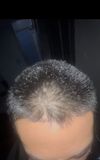
Starting finasteride, dutasteride, and minoxidil early is advised for minimal hair loss to preserve hair. Professional consultation is important due to potential side effects.
People regret neglecting their hair until it started thinning, and they are now using treatments like finasteride, minoxidil, and microneedling. Some are considering stronger options like dutasteride due to mixed results.
This conversation is about a user's regrowth journey using 5% Minoxidil and 1% Finasteride, with positive results after 2 months. Other users offered support or shared their experiences with hair loss treatments.
A user is experiencing worsening hair loss despite using dutasteride, oral minoxidil, ketoconazole, and dermarolling. They are advised to reduce dermarolling frequency and depth to avoid damaging hair follicles.
The user is experiencing hair thinning despite using finasteride and minoxidil for over a year and is considering alternatives like dutasteride, RU58841, or mesotherapy. They are concerned about maintaining their hair until their mid-20s and are seeking suggestions for additional treatments.
A 29 year old female with hair loss issues that have been linked to PCOS; the user has started taking Spironolactone and iron supplements in hopes of regrowing their hair, but is wondering if it's too late.
A 19-year-old is experiencing worsening hair loss and severe seborrheic dermatitis despite using finasteride for six months. Nizoral (ketoconazole) is no longer effective, and they are seeking over-the-counter solutions and advice for an upcoming dermatologist visit.
The conversation discusses using RU58841 for hair loss, with OP experiencing thinning in the front area and steady hair loss. OP plans to try microneedling while avoiding finasteride and dutasteride.
The user restored their hair using 5% minoxidil liquid, a 5 mg minoxidil pill, and dutasteride, experiencing no side effects. Others shared mixed experiences with dutasteride and finasteride, noting side effects like reduced libido and erection issues.
A permanent hair loss solution could involve reprogramming hair follicles to resist DHT using mRNA and siRNA. However, high costs, safety concerns, and the pharmaceutical industry's preference for ongoing treatments over one-time cures are major obstacles, with finasteride and minoxidil remaining standard treatments.
A 20-year-old male has been experiencing hair loss since age 16 and has tried various treatments including topical minoxidil, topical and oral finasteride, and oral dutasteride with minoxidil, but has not seen significant improvement. He is currently using 1.5mg dutasteride and 5mg oral minoxidil daily, along with derma penning, and is seeking advice on regrowing hair to avoid using hair fibers.
A user shared their positive experience with a hair transplant journey over 10 years, involving 3000+ grafts and regular use of minoxidil and finasteride. Other users commented on the hairstyle and suggested alternative treatments like SMP or hairpieces.
The user is unhappy with their hair transplant results, feeling the hairline looks unnatural, but most commenters reassure them it looks good and natural. Some suggest styling changes or focusing on hair care routines.
The conversation is about a user experiencing worsening hair loss despite using minoxidil for four months, with suggestions to add finasteride or dutasteride for better results. Some users recommend consulting a dermatologist and considering other treatments like steroids if it's alopecia areata.
Scalp inflammation may contribute to hair thinning, with treatments like ketoconazole shampoo potentially helping by reducing inflammation. Some users report that DHT blockers and other treatments like finasteride, minoxidil, and RU58841 can alleviate symptoms associated with inflammation.
A 25-year-old is experiencing chronic telogen effluvium (TE) and androgenetic alopecia (AGA) after surgery, using finasteride, red light therapy, and supplements, and considering oral minoxidil despite heart concerns. They are unsure whether to start minoxidil before or after an upcoming surgery, which may trigger another hair shed.
The conversation is about finding a reliable source for oral minoxidil in the EU, as the original supplier is out of stock. The user is currently using finasteride and oral minoxidil for hair loss treatment.
Scalp tattoos can look good but often appear artificial, especially in sunlight or up close, and require regular maintenance. They may boost confidence if done well, but opinions vary on their effectiveness and natural appearance.
Using spirulina and chlorella to boost ferritin and iron levels reduced hair shedding by more than half in a month. The user found these natural supplements more effective than regular iron tablets for hair growth.
PP405 shows promise in activating dormant hair follicles and increasing hair counts but lacks detailed efficacy data compared to minoxidil and finasteride. Opinions are mixed, with some optimism and skepticism about its effectiveness.
Finasteride and minoxidil are commonly recommended by hair transplant clinics, including those in Turkey, despite some negative perceptions and concerns about side effects. The conversation highlights differing opinions on the effectiveness and safety of these treatments, with some users expressing skepticism about side effects and others emphasizing the importance of these medications for successful hair transplants.
John Cazale's hairline showed strong recession at the temples but maintained solid volume and density, sparking discussion on different hair loss patterns and the importance of overall hair density. Treatments like Minoxidil and Spironolactone were mentioned as potential factors in maintaining hair, though genetics and styling were also considered significant.
The user started using dutasteride 7 months ago and added RU58841, finasteride, and minoxidil 2 months ago. Opinions on progress vary, with some noting shedding and dandruff, while others suggest natural scalp care and patience for results.
The conversation discusses switching from oral finasteride to topical RU58841 for hair loss, with concerns about hormonal effects and libido. Some users suggest alternatives like dutasteride, while others share mixed experiences with RU58841's effectiveness.
A 25-year-old male experienced hair loss and tried various treatments, including finasteride, PRP, mesotherapy, dutasteride, and oral minoxidil. Despite some setbacks and treatment interruptions, recent photos show improved hair density, though the user remains uncertain about overall progress.
Ketoconazole shampoo can be very drying, especially for curly hair, and may not be suitable for those who need to maintain moisture. Some users suggest using oils or masks to mitigate dryness, while others recommend avoiding it unless necessary for conditions like dandruff.
Hair loss involves more than just DHT, with genetic factors like TRPS affecting hair follicles. Treatments such as Amplifica's AMP-601 and AMP-303 target stem cells for potential hair growth solutions.
A 55-year-old man shared his successful hair transplant results, using 9,100 grafts from his scalp and beard, and is also using minoxidil, finasteride, and multivitamins. The discussion includes opinions on the necessity of DHT blockers and the effectiveness of the transplant, with some users questioning the need for such procedures at an older age.
The conversation discusses a hair loss treatment regimen involving high doses of dutasteride, finasteride, and minoxidil, with concerns about safety and potential side effects. Users advise against the excessive use of these medications, suggesting more moderate approaches and consulting a doctor.
A woman underwent a hair transplant in Istanbul, receiving 3,000 grafts, and is pleased with the natural-looking results one year later. The experience included a 5-star hotel stay, PRP session, laser treatment, and detailed aftercare, leading to improved hair density and confidence.