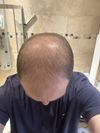
Creatine is believed by some users to cause hair shedding, though a study found no increase in DHT or testosterone levels. Many users shared personal experiences of hair loss after using creatine, while others noted no change, suggesting individual variability.
The user switched from finasteride to dutasteride due to a prostate condition and noticed mixed results, with some improvement in the middle hairline but worsening at the temples, while also using minoxidil. Other users shared similar experiences with shedding and emphasized the need for patience, as dutasteride can take several months to show full effects.
Creatine does not directly cause hair loss, but it may increase DHT levels, which can affect hair. Some users report hair shedding with creatine, while others experience no hair loss.
A user reversed hair loss using 10% sulfur soap, which reduced scalp inflammation and possibly demodex mites. The user did not use finasteride or minoxidil, suggesting inflammation may contribute to hair loss.
The user is allergic to minoxidil and plans to try Redensyl hair serum and derma rolling for hair regrowth. They cannot start finasteride until age 18.
The conversation discusses hair loss treatments, specifically the use of oral minoxidil and finasteride, and the potential for hair regrowth. Many suggest considering a hair transplant for the persistent bald spot, while others recommend additional treatments like derma rolling and microneedling.
Dutasteride isn't effectively reducing DHT levels, prompting a switch back to finasteride. The user questions the reliability of their DHT test results due to hair loss concerns.
A user switched from finasteride to dutasteride and from topical to oral minoxidil, experiencing significant hair shedding. They plan to continue this regimen for a year before deciding on any changes.
A 20-year-old has been using finasteride and minoxidil tablets for over six months with minimal hair improvement. They also use topical minoxidil twice daily and recently started derma rolling, questioning if a hair transplant is necessary.
A 22-year-old experiencing hair loss, initially attributed to stress, found temporary relief with minoxidil but faced increased shedding after stopping and restarting the treatment. The advice given suggests the hair loss may be due to androgenic alopecia rather than stress, recommending consistent use of minoxidil and considering finasteride, with a suggestion to seek a second opinion from another dermatologist.
The user started finasteride in January 2025 and experienced increased hair shedding by March 2025, despite initial improvements from PRP treatment. They are concerned but have read that this shedding might be a temporary phase of the finasteride treatment.
The user experienced worsening hair loss despite using oral minoxidil, finasteride, and topical minoxidil for nine months. They are considering switching to dutasteride and reducing ketoconazole shampoo due to its drying effects.
Minoxidil combined with tretinoin may improve hair regrowth due to their synergistic effects. Using a gel with 0.025% tretinoin and antibiotics might still be beneficial.
The user experienced significant hair regrowth in the temple area after using 1mg finasteride daily for over a year, with no side effects. The user did not use minoxidil or microneedling and started experiencing hair loss at age 16.
A 15-year-old experiencing severe diffuse thinning plans to use minoxidil, dermarolling, and possibly ketoconazole, with hopes to later incorporate finasteride. Concerns about starting finasteride too young and the need for a dermatologist consultation are discussed.
People with diffuse thinning and retrograde hair loss are discussing treatments like finasteride, minoxidil, and dutasteride, with some reporting improvements and others experiencing issues like scalp inflammation and increased sebum. Suggestions include addressing scalp inflammation, considering gut health, and possibly using topical antiandrogens or micro-needling.
The user experienced worsening hair loss after switching treatments and is now using generic minoxidil and finasteride. They are considering continuing finasteride, trying dutasteride, or combining treatments like mesotherapy for better results.
Dutasteride and finasteride may temporarily affect semen quality but are unlikely to cause permanent infertility. The Kim et al. study is criticized for poor methodology, and many prefer hair retention over potential fertility concerns, using treatments like dutasteride, finasteride, and minoxidil.
A 15-year-old is experiencing hair loss and has tried rosemary and jojoba oils without success. They are advised to see a doctor for thyroid and androgen tests and consider using Minoxidil.
The user has been using finasteride since November 2023, which improved their hair and confidence, and they plan to switch to dutasteride and get a hair transplant. They noticed hair thickening after 3-4 months on finasteride and are considering oral dutasteride and minoxidil for further improvement.
The user switched from finasteride to dutasteride while continuing minoxidil, noting thicker and faster hair growth with minimal side effects. Other users discussed transitioning between these treatments, with some experiencing side effects like gynecomastia and erectile dysfunction.
The user left their 2.5 mg pills at home and is considering using 5% topical minoxidil as a substitute. They also inquire about where to obtain over-the-counter minoxidil pills.
A 27-year-old male experiencing increased hair loss despite using 0.5mg dutasteride daily, minoxidil nightly, and optimizing vitamin D, is considering zinc supplementation and seeking a dermatology referral. Concerns about potential shedding, thyroid levels, and zinc dosage are discussed, with advice to monitor and avoid over-supplementation.
The conversation discusses concerns about body dysmorphia related to hair loss, with some users expressing frustration over posts claiming treatments like finasteride and dutasteride are ineffective or harmful despite minimal hair loss. It emphasizes the importance of early treatment with medications like finasteride and minoxidil for those experiencing hair loss.
The conversation discusses a user's two-year experience using oral dutasteride and minoxidil for hair loss, noting initial gains and stabilization over time, with some concerns about shedding and a weak spot at the crown. The user also mentions using testosterone cypionate and reports no significant side effects, except possibly dry eyes.
A 21-year-old has been using finasteride for 6.5 months, starting with 0.25 mg daily and increasing to 0.5 mg, experiencing improved hair quality and no significant side effects. They have not used minoxidil due to convenience and health reasons, and they noticed progress in hair growth, particularly at the crown, after about 4 months.
Hair loss may be linked to thyroid issues, with some individuals noticing changes in hair texture when taking substances affecting the thyroid. Treatments mentioned include a topical mix of finasteride, minoxidil, and tretinoin, along with microneedling.
The user has been using finasteride (1mg daily) and oral minoxidil (2.5mg) for 2.5 years to treat diffuse thinning hair, with no side effects reported. They are satisfied with the progress, noting that the treatment has slowed hair loss and costs about £30 a month.
The user shared a 2.5-year hair regrowth update using dutasteride, minoxidil foam, a 1.5mm roller, nizoral shampoo, biotin, multivitamins, and a healthy lifestyle, reporting noticeable regrowth after a year with no side effects. The user uses generic dutasteride and Kirkland multivitamins.