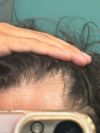
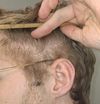
Increased hair shedding after 3 months of using 0.25mg finasteride, with thin, tapered hairs falling out. The user is concerned about the sudden change in shedding pattern.
A 30-year-old man experienced significant hair regrowth and improved libido after using finasteride and dutasteride for androgenetic alopecia, with no adverse effects. He plans to reduce dutasteride dosage when trying to conceive and has been using topical minoxidil since 2015.
A long-term finasteride user is considering adding minoxidil to address hairline thinning. They plan to use minoxidil foam due to a propylene glycol allergy and currently use Nizoral for mild dandruff.
The conversation discusses hair loss treatment options, focusing on finasteride and its potential effects on gynecomastia. The user is considering finasteride while managing hormone levels with supplements like boron, vitamin D, zinc, magnesium, and P5P, and is advised to consult an endocrinologist for further evaluation.
The user experienced hair thinning due to a testosterone spike and used a minoxidil solution and topical finasteride gel. After four months, the gel caused side effects without improving hair thinning, leading to questions about continuing or adjusting the treatment.
A user has been on finasteride and minoxidil for a year, along with biotin supplements, microneedling, and ketoconazole, but is experiencing heavy hair shedding and is concerned about the treatment's effectiveness. They are seeking advice and experiences from others regarding shedding and potential signs of hair regrowth.
Creatine does not cause hair loss, despite many users reporting personal experiences of hair shedding. Scientific evidence shows no link between creatine and increased hair loss or hormone changes.
A user with thinning, curly, dry hair is seeking affordable shampoo and conditioner recommendations. They are using oral minoxidil and apply argan oil, but dislike products with keratin and biotin, and another user suggests ketoconazole shampoo for added density and DHT blocking.
A dermatologist prescribed 0.5mg dutasteride every two days and 5mg Minoxidil daily for hair loss, suggesting dutasteride mesotherapy as an alternative. The discussion questions the effectiveness and cost of mesotherapy compared to oral treatments, with concerns about side effects and the dermatologist's approach.
The user started a hair loss treatment with oral finasteride, minoxidil, and microneedling but hasn't seen improvement after six months, experiencing increased shedding instead. Suggestions include continuing the treatment for a year, considering topical minoxidil, and possibly adding dutasteride if needed.
A 28-year-old male experiencing diffuse thinning and miniaturization around the ears and back has tried finasteride, dutasteride, and both topical and oral minoxidil without success. He is seeking advice on identifying the type of hair loss and next steps since current treatments are ineffective.
A 20-year-old has been using finasteride for 6.5 months and minoxidil for 3 months, experiencing hair shedding and considering adding dutasteride. They also use dermastamping occasionally and Nizoral shampoo 3-4 times a week.
A 25-year-old user shared progress pictures after using oral finasteride and oral minoxidil for nearly four months, reporting significant crown gains and slight temple progress without side effects. The user chews a Hims 3-in-1 tablet and has not experienced any shedding due to starting with a shaved head.
Oral minoxidil significantly increases hair growth, including facial hair, in a short period. Some users suggest combining it with finasteride for better long-term results, despite potential side effects.
The user experienced decreased libido with saw palmetto and is now considering topical anti-androgens like RU58841, pyrilutamide, and topical dutasteride for hair loss. Minoxidil is also mentioned as a potential addition, but the user is cautious about side effects and availability of treatments.
A 35-year-old shared progress in hair regrowth using finasteride 1mg and minoxidil foam, noting reduced hair fall and no side effects. They use Kirkland minoxidil from Costco nightly and finasteride from a dermatologist, with additional use of rosemary water for a cooling sensation.
A user considered restarting finasteride for hair loss despite past side effects, which worried their girlfriend. Others suggested alternatives like topical treatments or lower doses and emphasized prioritizing well-being and relationship stability.
The user started oral finasteride and minoxidil for hair thinning but noticed increased hair shedding after three weeks. They are concerned and seeking advice on coping with this side effect.
A user is experiencing hair loss at NW 5 and is using finasteride, which is causing side effects like dry eyes and loss of libido. They are considering continuing with minoxidil and finasteride or opting for a hair transplant, feeling depressed about their situation.
A 25-year-old shares progress on hair regrowth using finasteride, ketoconazole shampoo, Alpecin caffeine shampoo, and topical minoxidil, noting improved hair health but persistent temple thinning. They consider switching to oral minoxidil, adding microneedling, and possibly a hair transplant after one year.
Finasteride and dutasteride can prevent hair loss if used early, but they may cause side effects. Many men shave their heads because they are unaware of these treatments or avoid them due to side effects or cost.
A 29-year-old male shared his hair growth progress after 3.5 months using finasteride, minoxidil (topical and orally), tretinoin cream, GHK-Cu, and derma stamping. He experienced increased libido initially and thinning body hair but is satisfied with the results despite an early shedding phase.
Hair growth progress using Propecia, Minoxidil, dermarolling, ketoconazole shampoo, and vitamins. Noticeable hair growth in temples after 3 months and 10 days.
The conversation discusses hair loss treatments, specifically the use of dutasteride, finasteride, and the potential of mesotherapy. The user experiences hair loss despite low DHT levels and considers localized dutasteride treatment, while others suggest consulting a dermatologist and exploring other causes like malabsorption.
White spots on a bald scalp, likely tinea versicolor, can be treated with ketoconazole or selenium sulfide shampoos like Selsun Blue. Consulting a dermatologist is recommended for proper diagnosis and treatment.
Despite using finasteride, minoxidil, and RU58841, the user is experiencing slow hair loss, particularly at the hairline, and is considering additional treatments like microneedling and possibly switching to dutasteride. Concerns about medication side effects, such as reduced sperm count and performance anxiety, are also discussed.
The user experienced significant hair regrowth using finasteride and minoxidil but developed erectile dysfunction. They are considering stopping finasteride and relying on minoxidil alone to see if the side effects improve.