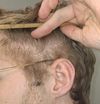
The user is experiencing hair loss despite using Dutasteride and plans to try RU58841, considering adding Oral Minoxidil. They express frustration with diffuse thinning and seek advice on managing hair loss.
The user is experiencing hair loss with symptoms of receding hairline, extreme shedding, and low density, possibly due to androgenic alopecia, diffuse thinning, retrograde alopecia, or telogen effluvium. They have used minoxidil and noticed changes in shedding patterns related to different water qualities and seborrheic dermatitis.
The user experienced significant hair regrowth after three months of using minoxidil foam, finasteride, and a dermastamp, along with Nizoral shampoo. They noticed thicker hair on their crown and hairline, with no issues applying topical treatments.
The user is using a 5% minoxidil solution with low propylene glycol and 1 mg of oral finasteride daily but is still experiencing hair shedding, especially at the temples and front. They are concerned about absorption issues and considering adding tretinoin to improve results.
A 44-year-old user experienced hair regrowth using a topical spray combining 0.3% finasteride and 7% minoxidil after switching from oral finasteride due to side effects. The user reported noticeable improvements in hair thickness after four months without any side effects from the topical treatment.
A 22-year-old male experienced hair regrowth using an intermittent Dutasteride regimen, oral and topical Minoxidil, FolliHair AM/PM, and Salicia KT shampoo. He stopped Dutasteride due to side effects like dry eyes and skin, but noticed increased hair shedding after stopping.
A 21-year-old is experiencing hair loss and is unsure whether to choose minoxidil or finasteride. They prefer oral treatments and are leaning towards finasteride despite concerns about side effects and family opposition.
A user has been using finasteride and minoxidil for hair loss without success and is considering switching to dutasteride. They are concerned about low DHT levels and are seeking advice on how to implement dutasteride effectively.
Ketoconazole shampoo can dry out hair, causing it to become frizzy and less manageable. Users suggest using conditioner, trying different shampoos, or reducing the frequency of ketoconazole use to mitigate these effects.
The user experienced hair regrowth and thickening after using minoxidil for three months and finasteride for two months, along with vitamin D and iron supplements. They reported softer erections as a side effect of finasteride but found the hair improvements worth it.
The user has been using topical minoxidil and finasteride for hair loss, with some regrowth at the temples but continued hairline thinning. The dermatologist suggested possible telogen effluvium due to stress and deficiencies, prescribed oral minoxidil, and may consider dutasteride if the condition doesn't improve by January 2026.
The user experienced significant hair improvement after four months using oral finasteride, topical minoxidil, and a daily caffeine shampoo, with no side effects. The discussion includes varying opinions on the effectiveness and side effects of finasteride.
The user experienced hair thinning due to a testosterone spike and used a minoxidil solution and topical finasteride gel. After four months, the gel caused side effects without improving hair thinning, leading to questions about continuing or adjusting the treatment.
The user is experiencing diffuse shedding but also hairline regrowth after starting finasteride, switching to dutasteride, and using oral minoxidil, ketoconazole shampoo, and RU58841. Other users advise patience, suggesting that the treatments need more time to show results and caution against using too many medications simultaneously.
Microneedling for hair loss involves using a derminator pen at a depth of 1-1.5mm, typically once a week or biweekly, with a 12-24 hour wait before applying minoxidil. Cleaning involves alcohol wipes, and it's advised to change needles after each use and avoid styling products on the day of microneedling.
A 20-year-old male experiencing hair loss since age 17 has been using 1mg finasteride for four months and inconsistently used 5% topical minoxidil for three months. He is experiencing increased shedding and questions whether it's due to stopping minoxidil or if finasteride is ineffective.
A user with thinning, curly, dry hair is seeking affordable shampoo and conditioner recommendations. They are using oral minoxidil and apply argan oil, but dislike products with keratin and biotin, and another user suggests ketoconazole shampoo for added density and DHT blocking.
The user started a hair loss treatment with oral finasteride, minoxidil, and microneedling but hasn't seen improvement after six months, experiencing increased shedding instead. Suggestions include continuing the treatment for a year, considering topical minoxidil, and possibly adding dutasteride if needed.
A 28-year-old male experiencing diffuse thinning and miniaturization around the ears and back has tried finasteride, dutasteride, and both topical and oral minoxidil without success. He is seeking advice on identifying the type of hair loss and next steps since current treatments are ineffective.
A 54-year-old user shares progress after 3 years on dutasteride, following 15 years on finasteride, using 0.5 mg/day dutasteride, topical minoxidil every other day, and a peptide serum on alternate days. They experienced a significant shed during the transition but are now maintaining hair, noticing some new growth along the hairline.
Many users experienced increased diffuse thinning after starting finasteride, with some switching to dutasteride or adding minoxidil in hopes of improvement. Thyroid issues and low ferritin levels were also discussed as potential factors affecting hair loss.
The conversation is about a user experiencing hair shedding after switching from finasteride to dutasteride and increasing their oral minoxidil dose. The user is advised to continue with the current treatment, consider adding topical minoxidil, and consult a dermatologist for potential underlying issues.
Some people may not respond to topical minoxidil due to low SULT1A1 enzyme activity, but oral minoxidil can be effective. Tretinoin may enhance minoxidil's effectiveness, and some users prefer oral minoxidil despite side effects.
An 18-year-old started taking 1.5 mg oral minoxidil daily for diffuse thinning but is hesitant to use finasteride due to potential side effects. They are questioning if minoxidil alone will be effective.
The conversation discusses hair loss treatments, with users sharing experiences and opinions on finasteride, minoxidil, and other methods. Many recommend finasteride for its effectiveness, while others express concerns about side effects and emphasize the importance of acting quickly to address hair loss.
Despite using finasteride, minoxidil, and RU58841, the user is experiencing slow hair loss, particularly at the hairline, and is considering additional treatments like microneedling and possibly switching to dutasteride. Concerns about medication side effects, such as reduced sperm count and performance anxiety, are also discussed.
OP shares their experience with PCOS-related hair loss, highlighting that addressing vitamin D and ferritin deficiencies, managing hormones with spironolactone, and using gentle hair care products helped improve their condition. They advise against relying on "miracle" hair oils and emphasize the importance of medical evaluation and a combined approach to treatment.
The user is experiencing diffuse hair thinning despite using dutasteride and minoxidil for over five years and is considering adding oral minoxidil, microneedling, and nizoral to their regimen. They are concerned about the effectiveness and side effects of these treatments, especially with an upcoming event.
A 28-year-old man shares his positive experience with a 3-in-1 oral pill containing finasteride, minoxidil, and vitamins for hair loss, noting decreased bald spot width and overall hair thickening after four months. He encourages others to start treatment, mentioning the mental benefits and minimal side effects, while discussing additional treatments like ketoconazole and microneedling.