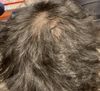
The conversation discusses patient updates on hair loss treatment with Verteporfin after five months, as reported by Dr. Blake Bloxham. Patients voluntarily sent their progress pictures to Dr. Bloxham.
A user shared their 8-year journey with hair loss treatments, including oral minoxidil, dutasteride, Propecia, and a 2500 FUT hair transplant, leading to significant hair regrowth and a healthy lifestyle. They experienced some side effects like oily skin and a higher-pitched voice but maintained high testosterone levels and a strong libido.
The user has been using finasteride and minoxidil for hair loss but is experiencing thinning at the crown and is considering a hair transplant. They are seeking advice on other treatments to try before proceeding with a transplant and how to find a reputable doctor.
Pyrilutamide is believed to be more effective than RU58841 and 1 mg finasteride in treating hair loss, with no systemic hormonal effects and the potential to block more than 31% of scalp DHT. It may also antagonize scalp testosterone due to its action as an androgen receptor antagonist.
Pyrilutamide is being discussed as a potential hair loss treatment, but opinions are mixed, with some users skeptical about its effectiveness and the company's credibility. Some users report combining pyrilutamide with other treatments like dutasteride and microneedling, noting improvements, while others remain doubtful.
The user has been taking dutasteride 0.5mg and minoxidil 5mg orally for 3 years to treat hair loss, which has stabilized their condition. They are considering adding topical RU58841 to their regimen but are uncertain of its effectiveness and contemplating a hair transplant instead.
A user's 18-month progress on their hair loss treatment regimen, which includes 5mg oral minoxidil, 1.5mm microneedling with a pen once weekly, and 0.5mg/day dutasteride; other users noted the positive effects of finasteride and dutasteride in reducing DHT levels.
A 40+ year old is regrowing their hairline using microneedling, minoxidil, tretinoin, low-level laser therapy, massages, and Nizoral, without using finasteride or dutasteride. They noted progress in hair growth below a birthmark, an area that hadn't seen growth since their teenage years.
A 26-year-old is considering switching from a regimen of minoxidil, finasteride, and RU58841 to possibly include pyrilutamide due to insufficient results in slowing hair loss. They are seeking advice on whether to add pyrilutamide or replace RU58841 with it, considering cost and effectiveness.
A user named "Redbone2222" shares their positive experience with a hair transplant procedure of 2500-3000 grafts, along with the use of 1mg finasteride daily and 5% topical minoxidil. They express satisfaction with the results and believe that finasteride has been more effective for them than minoxidil.
The conversation discusses disappointment in Verteporfin for hair loss treatment, with a mention of an upcoming trial by Dr. Bisanga. No specific treatments were confirmed as used by the original poster.
FCE 28260 (PNU 156765), an under-explored 5α-reductase inhibitor, showcases promising results in research by Giudici et al., outperforming well-known treatments like Finasteride in reducing the conversion of testosterone to DHT. Its superior efficacy, demonstrated through lower IC50 values in both natural and human recombinant enzyme studies, suggests it could offer more effective management of DHT-related conditions. Additionally, its lower molecular weight hints at better potential for topical application, potentially offering advantages in treating conditions such as androgenic alopecia. Despite its potential, it has not advanced in development, possibly due to financial limitations, leaving its therapeutic prospects and side effect profile largely unexplored.
The drugs RU-58841, Pyrilutamide (KX-826), Apalutamide, Enzalutamide, and Darolutamide, which are nonsteroidal antiandrogens (NSAA), potentially impacting male fertility. Pyrilutamide, similar to Enzalutamide, may have reversible effects on fertility.
The conversation discusses aggressive hair loss treatments, including finasteride, dutasteride, minoxidil, topical cetirizine, and experimental options like Estrogel, oh-flutamide, and RU58841. Users share experiences and suggest trying oral minoxidil and el cranell, noting the complexity and challenges of treating hair loss.
Dermal incision with verteporfin is being explored as a potential hair loss treatment by dermatologist Melissa Toyos, with promising before-and-after photos shared on social media. The conversation discusses its potential effectiveness compared to other treatments like Minoxidil, Finasteride, and RU58841.
A 32-year-old male shared progress pictures after one year of using oral finasteride 1 mg and 10 months of oral minoxidil 5 mg for hair loss. He seeks advice on whether to continue treatment or consider a hair transplant.
Avoiding hair loss forums can reduce anxiety about treatments like finasteride. Some suggest using oral dutasteride and topical minoxidil for 6-12 months and checking updates periodically.
The user is considering increasing their dutasteride dose and trying clascoterone or RU58841 for hair loss stabilization. They have used finasteride, minoxidil, and dutasteride, with some success but recent setbacks.
A transwoman shared her 11-month progress using hormone replacement therapy (HRT), finasteride, and minoxidil, reporting significant hair regrowth and satisfaction with the results. The discussion included various perspectives on HRT, its effects on hair and sexual function, and personal experiences with similar treatments.
The user is unhappy with the results of their second hair transplant, feeling that grafts were wasted on an already transplanted hairline instead of increasing mid-scalp density. They regret stopping medications like Dutasteride, Minoxidil, and RU58841, which led to significant hair loss, and plan to restart them.
A 20-year-old male stopped oral Minoxidil (3mg) for a month due to health concerns and lack of significant results, while continuing topical Minoxidil (7%) with tretinoin and 1mg finasteride. He wants to resume oral Minoxidil but is worried about losing progress.
RU58841 is a controversial hair loss treatment with mixed reviews; some users report success, often in combination with other treatments like finasteride or minoxidil, while others experience side effects like chest pain. The treatment's discontinuation is speculated to be due to patent expiration and lack of profitability, despite some users continuing to use it as part of a broader regimen.
The conversation discusses the lack of significant advancements in hair loss treatments since the introduction of finasteride 22 years ago, with many expressing frustration over the failure of new projects and skepticism about future developments. Some users mention hair transplants and other potential alternatives like Alfatradiol and Fluridil, but acknowledge finasteride's dominance in the market due to its effectiveness and affordability.
Pyrilutamide's effectiveness is questioned due to overstated claims and previous trial ineffectiveness, with some users opting for finasteride instead. Despite skepticism, some consider adding pyrilutamide to their regimen alongside treatments like bicalutamide.
A non-binary transfeminine person experienced significant hair regrowth after starting finasteride, minoxidil, microneedling, and hormone replacement therapy with estradiol. They encourage trans individuals concerned about hair loss to consider estrogen as it has greatly improved their hair condition.
The user has seen no regrowth after 1 year and 2 months on finasteride, despite increasing the dose, and is inquiring about the potential of future treatments like verteporfin and gt20029 for hair regrowth.
A user is considering starting finasteride after quitting minoxidil due to scalp inflammation, despite ongoing hair shedding and a worsening crown area. Another user suggests taking finasteride in the morning to minimize focus on potential side effects like slightly decreased libido.
The user is 13 months post-hair transplant and is using 1 mg finasteride and 2.5 mg oral minoxidil. They are seeking opinions on their crown's appearance, considering switching treatments, and contemplating a second transplant due to concerns about hair density and stability.