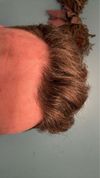
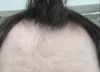
The user is likely at Norwood level 3 with thinning at the crown and temple recession. Treatments like finasteride or minoxidil are suggested to manage hair loss.
The user shared their 3-month hair regrowth progress using minoxidil, finasteride, dermarolling, and ketoconazole shampoo, noting improvement from Norwood 5 to Norwood 4. They also mentioned lifestyle changes like diet and exercise, and received positive feedback on their progress.
A 32-year-old man has been treating his hair loss with daily oral finasteride (1.25g), twice-daily topical minoxidil, weekly ketoconazole 2% shampoo, and weekly microneedling for almost three months, with no side effects from finasteride. He started with a Hamilton Norwood scale rating of 5 and has seen improvement without experiencing pain by using a 0.8mm needle length for microneedling.
The user improved their hair loss from a Norwood scale 2.5/3 to 1.5/2 using treatments including 2.5 mg dutasteride, RU58841, 15 mg oral minoxidil, isoflavones, NAC, pumpkin seed oil, NAD+, and Vipelin, but still experiences temple recession. Other users expressed concern over the high dosages of oral minoxidil and dutasteride.
A 23-year-old man shared his 4-month hair regrowth progress using 1mg oral finasteride daily, 5% minoxidil with finasteride topical twice a day, multivitamins, microneedling, head massages, and ketoconazole shampoo. He's unsure of his current Norwood scale classification and is asking for help to determine it, with suggestions ranging from NW4 to NW4.5.
A 30-year-old with Norwood3V hair loss uses finasteride 1.25 mg every other day and Minoxidil (Regaine 5%) twice daily, experiencing no side effects with the current regimen. The front hairline remains unchanged, but the crown appears better in certain lighting.
A 31-year-old man, between Norwood 4 and 5, is considering hair loss treatments like finasteride and minoxidil but is concerned about side effects. He is exploring options with doctors and considering a hair transplant, noting that some clinics require medication before and after the procedure.
The user is using 1% ketoconazole shampoo, 5% minoxidil foam, and a multi-peptide hair serum to address hair loss, aiming to improve from Norwood 5 to Norwood3. They are considering adding topical finasteride if current treatments show progress and plan to use cosmetic products like fibers and DermMatch for appearance enhancement.
The user successfully improved their hair from Norwood3 to 0.5 using finasteride, topical minoxidil, microneedling, and a hair peptide, and plans to maintain it with dutasteride. They are leaving the forum due to emotional distress caused by the community.
A 27-year-old at Norwood3 is starting a hair loss treatment journey using finasteride, dutasteride, minoxidil, biotin, scalp massages, and ketoconazole shampoo. The focus is on reducing DHT and stimulating growth, with finasteride emphasized as the key long-term solution.
A user achieved significant hair regrowth from Norwood3 to a dense Norwood 2 after five months using oral dutasteride, oral minoxidil, and a topical solution with minoxidil, retinoic acid, and hydrocortisone. The user reported no side effects and found the topical treatment especially effective for the hairline.
A person improved hair loss from Norwood3 to Norwood 2 using a topical formula with minoxidil, dutasteride, and tretinoin, plus oral minoxidil and red light therapy. There is skepticism about the treatment's effectiveness and concerns about misleading comparison photos.
A 30-year-old is experiencing hair thinning and is considering using finasteride to stop hair loss and possibly thicken existing thin hairs. They are unsure of their Norwood scale stage and seek advice on whether finasteride is suitable for their situation.
User shared 5-month progress using oral finasteride and topical minoxidil for hair loss, improving from Norwood3 to Norwood 1. User also mentioned weight loss after a breakup and starting gym alongside hair loss treatment.
The user, a 27-year-old male, has been treating early hair loss with topical finasteride and minoxidil, then switched to oral finasteride and dutasteride, but has seen no improvement and plans to add oral minoxidil. Despite treatment, hair loss has progressed from Norwood 1-1.5 to Norwood3, with noticeable thinning, especially on the left side.
A 27-year-old male with Norwood grade 5 hair loss is using dutasteride and a hair serum with Redensyl, Anagain, Procapil, and Capilia Longa, but is hesitant to use oral minoxidil due to past allergic reactions to topical minoxidil. He plans to try dutasteride alone for 3 months before considering adding oral minoxidil.
A 24-year-old male is concerned about hair loss, possibly at Norwood stage 3 to 5, and has started using Minoxidil, shampoo, and hair fibers, while planning to get finasteride. He is worried about the shedding process affecting his progress.
The user experienced significant hair regrowth using 5 mg daily oral minoxidil and ketoconazole shampoo, improving from Norwood3 to Norwood 2. They recommend starting treatment early, noting reduced shedding and stable results.
A user from India discusses using a topical solution containing Minoxidil (50mg) and Finasteride (1mg) twice a day for thinning hair and Norwood 2/3. The dermatologist recommended it for maintenance with slim chances of regrowth, and the user seeks advice on its use.
A participant using Veradermics VDPHL01, an extended-release oral minoxidil, experienced significant hair regrowth from Norwood 6 to Norwood3V without side effects. They plan to use dutasteride after the treatment to maintain results.
The user experienced significant hair regrowth using 1mg finasteride daily and 5% minoxidil twice a day over 6.5 months, improving from a Norwood3.5 to a Norwood 2. Despite progress, they still feel their hair is thin, especially at the temples.
A 24-year-old male shared his progress after over two years of using finasteride and topical minoxidil, reporting significant improvement from Norwood3 to Norwood 1.5 with minimal side effects, mainly watery semen. Other users discussed their experiences with similar treatments, noting varying results and timelines for hair regrowth.
The post is a 1-year update on hair loss progress using topical minoxidil and finasteride treatments. The user has seen good progress, especially in transitioning from a Norwood3 to a Norwood 2 hair loss pattern.
User shared 6-month progress of hairline recovery using oral finasteride and topical minoxidil, asking for current Norwood scale rating. Responses praised impressive results, with estimates ranging from Norwood 1.5 to 3.
The conversation is about a person experiencing hair loss, using topical minoxidil for 8 years, now at Norwood scale 3, and considering topical spironolactone and oral minoxidil after a tricho test recommendation. They are seeking others' experiences with topical spironolactone.
The user has been using finasteride 1mg and minoxidil 5% daily, along with Nizoral 2% twice a week for 16 months, and has seen improvement in hair regrowth, moving from Norwood 4 to between Norwood 2 and 3. The minoxidil used is a local pharmacy brand.
A 27-year-old male has been using 1mg finasteride and 2.5mg oral minoxidil daily for androgenetic alopecia, seeing good results in 3 months but experiencing thinning and density loss. He seeks advice on his Norwood scale level and when density might return.
A 24-year-old male has been using 0.1% finasteride and 5% minoxidil daily for four months, added dermarolling and topical dutasteride, and sees hair regrowth, improving from a Norwood scale 4a to 3a. He wants to optimize his hair loss treatment routine.
Hair regrowth typically levels out after several months of treatment with finasteride, dutasteride, and minoxidil, with many users experiencing stabilization rather than significant regrowth. Starting treatment early is crucial, as regrowth is rare beyond Norwood3 without additional interventions like hair transplants.
The user shared their 11-month hair regrowth journey using 0.83mg finasteride, Minoxidil twice daily, random derma rolling, and occasional Ketoconazole showers. They reported significant improvement, moving from a Norwood scale of 5.5 to around 2.5-3, and encouraged consistency for results.