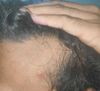
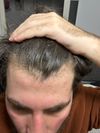
A user shared their 6-month progress using finasteride, minoxidil, and dermarolling for hair loss. They reported positive results but noted ongoing shedding.
Using a combination of micro-needling and exosome injections as a potential treatment for male pattern baldness, which could result in 50% or more regrowth.
A user who experienced significant hair regrowth over the course of one year by following a regimen including finasteride, minoxidil, Nizoral shampoo, dermarolling, biotin vitamins, vitamin D3 and collagen peptides. The post includes before/after photos and details on the brands used.
A user experienced significant hair regrowth using Lipogaine, alongside supplements, coffee, green tea, onion oil, rosemary, and Nizoral shampoo, after Propecia caused side effects. Another user reported no progress with Lipogaine after two months, noting inconsistent application.
The conversation discusses a user's progress with hair regrowth after using Hims minoxidil and finasteride chews for 2.5 months, with some users expressing skepticism about the rapid results. The user also takes biotin, vitamin B5, vitamin B6, and vitamin C in a daily pill.
The conversation humorously suggests that elites with full hair are suppressing a hair loss cure to maintain their dating advantage. It mentions treatments like hair systems, hair transplants, and medications such as Minoxidil and finasteride.
The user is 3 months into using dutasteride and oral minoxidil after switching from finasteride, noticing potential regrowth with small hairs at the temples. They take 2.5mg oral minoxidil and 0.5mg dutasteride daily, with some eyelash and eyebrow growth observed.
A 26-year-old male with early hair thinning is using finasteride, topical minoxidil, and supplements for deficiencies in iron, B12, and vitamin D3. He is considering adding oral minoxidil to his treatment plan.
The user is treating male pattern baldness with oral minoxidil, ketoconazole, derma rolling, rosemary oil, and topical minoxidil, and is considering adding finasteride. They are debating between three finasteride dosing strategies: 1mg daily, 1.25mg every other day, or 1.25mg five days a week, focusing on efficacy, safety, and cost.
The user is experiencing hair loss and is using treatments like finasteride, minoxidil, and hormone replacement therapy (estradiol enanthate injections) to address it. They are advised to be patient with the treatments and consider using a dermapen for microneedling.
A user shares optimism about combating male pattern baldness using oral and topical minoxidil, highlighting the advancements in treatments available today. Another user agrees, noting that early treatment can yield good results, and mentions the availability of affordable hair transplants.
A 38-year-old man shared his experience of shaving his head, noting he looked better with a shaved head than with very short hair, and expressed concerns about using finasteride due to perceived dangers. Others in the conversation disagreed with his view on finasteride, suggesting it is safe and effective for hair loss treatment.
A 19-year-old plans to use an experimental hair loss treatment stack including micro-needling, Minoxidil, Pyrilutamide, Ketoconazole shampoo, and other unreleased compounds like PP405. Users advise against using unverified treatments and suggest sticking to proven options like Finasteride, with some recommending topical application to avoid side effects.
The user has been using finasteride for 15 years but is noticing increased hair loss. They are considering increasing the finasteride dosage or switching to dutasteride but are concerned about side effects; they previously stopped using minoxidil due to heart palpitations.
A 19-20-year-old has been using 0.5 mg of dutasteride daily for a year to combat hair loss, avoiding minoxidil due to side effects. They plan to continue this regimen and consider a future hair transplant, experiencing no significant side effects from dutasteride.
The user is experiencing continued hair loss despite using dutasteride and oral minoxidil, and is considering adding finasteride or adjusting their current treatment. They are seeking advice on whether to change their approach due to lack of improvement, especially at the temples and crown.
The conversation is about using pyrilutamide for hair loss, with the original poster also using minoxidil and nizoral for maintenance. The poster experienced side effects from finasteride and is seeking feedback from long-term pyrilutamide users.
Estrogen injections significantly improved hair growth, particularly on the crown, after stopping finasteride. Monotherapy with estrogen led to hairline improvement, but also caused sterility and potential feminization effects.
Finasteride has been effective for maintaining hair density, but due to a slight dip in temple hair, the user switched to dutasteride as an additional measure. Users discuss varying experiences with side effects from finasteride, dutasteride, and minoxidil, highlighting that reactions can differ significantly among individuals.
A 49-year-old is using finasteride, minoxidil, tretinoin, and ketoconazole shampoo to combat advanced hair loss and hopes for enough regrowth to consider a hair transplant. Progress is slow, but some improvement is noted by others.
A 24-year-old male experienced hair loss regression after 3.5 years on topical finasteride and minoxidil. He is considering switching to topical dutasteride or oral finasteride due to concerns about side effects and is seeking advice on the efficacy of these treatments.
A person had three hair transplant surgeries using 7,600 grafts from scalp, beard, and chest, along with finasteride and minoxidil. Reactions are mixed, with suggestions for alternatives like hair systems or scalp micropigmentation.
Hair loss can cause psychological distress, but maintaining optimism and self-improvement is crucial. Treatments like minoxidil, finasteride, and potential new options like clascoterone offer hope, though side effects can occur.
PP405 may induce new hair growth but cannot revive completely dead follicles, and its effectiveness on hairlines is uncertain. It is expected to be available by mid-2028, but users are advised to manage expectations and consider using other treatments like minoxidil and finasteride.
The user experienced hair regrowth using finasteride and minoxidil over 8 months, with noticeable improvements starting in June. They reported side effects like erectile dysfunction and flakes but continued treatment as the effects were not permanent.
Finasteride and minoxidil help maintain hair and slightly improve hairlines but are less effective at regrowing hair in bald areas, often needing a hair transplant for full restoration. Many users report no side effects and wish they had started treatment earlier.
A 20-year-old using 1 mg finasteride, 2 ml topical minoxidil, tretinoin, and microneedling for hair loss shows progress after three months, with thicker hair and temple regrowth. No side effects reported, and the user is considering switching to oral minoxidil.
The user has been experiencing increased hair loss despite using Dutasteride, Minoxidil, and microneedling, and is considering switching back to Finasteride. They are exploring other options like hair transplants, oral Minoxidil, and red light therapy but are concerned about side effects and effectiveness.
The conversation discusses hair loss treatment with finasteride, where the user is experiencing shedding and concerns about regrowth. Users advise patience, suggesting that visible improvement may take 6-12 months or longer, and recommend continuing the treatment.
An 18-year-old is maintaining a stable hairline using Minoxidil, topical finasteride (Fynzur), and Dermastamp, and is considering adding oral finasteride for prevention. They seek advice on whether starting oral finasteride early is necessary given their family history and current regimen.