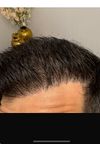
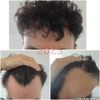
Justin Bieber has had multiple hair transplants, with discussions on the cost and quality in places like Turkey. Despite using treatments like finasteride, his hairline appears unnatural to some.
The user is questioning why they are not experiencing hair loss like their family members. They are considering whether genetics or preventive treatments like Minoxidil, finasteride, or RU58841 might be influencing their hair retention.
A 33-year-old experienced hairline improvement using finasteride and minoxidil, later stopping minoxidil while continuing ketoconazole shampoo. Initial side effects included shedding, reduced libido, and anxiety, but these resolved, leading to a full hairline recovery.
Transplanted hairs are thinning after switching from topical to oral minoxidil, with increased shedding and miniaturization. The user is considering reintroducing topical minoxidil and has started using ketoconazole shampoo.
The user has been using 1mg of finasteride for 3.5 months and is questioning if there is hair regrowth. Others suggest it's too early to see significant results and recommend continuing the treatment, with some suggesting adding oral minoxidil for better results.
A 25-year-old experienced hair regrowth and reduced shedding after 9 months on finasteride, with inconsistent minoxidil use. Users discussed hairline changes, shedding phases, and the effectiveness of finasteride, with some mentioning side effects and other treatments like rosemary oil.
RU58841 was ineffective for OP, who is considering adding KX-826 with finasteride. User8 suggests KX-826 may help when combined with minoxidil and dutasteride.
A 29-year-old is struggling with motivation while using finasteride and minoxidil for hair loss, experiencing side effects like low libido. They have seen some hair growth but are unsure whether to continue treatment or shave their head again.
Minoxidil caused side effects like chest pain and tinnitus for the user, leading them to stop using it and consider switching to finasteride with microneedling. Other users shared similar experiences with minoxidil, while some reported no issues, highlighting varied individual reactions.
Hair loss treatments include finasteride, minoxidil, alfatradiol, vitamins, red light therapy, ketoconazole shampoo, meditation, green tea, leg workouts, and silk pillows. Genetics is emphasized as the primary factor in hair health, with some humor about unconventional methods like drug use affecting hair loss.
Dutasteride users report mixed results, with some experiencing shedding and others seeing no improvement or hair regrowth. Many users also discuss using finasteride and minoxidil, with some preferring topical treatments for better results.
A 20-year-old is dealing with hair loss, using finasteride and oral minoxidil, and considering dutasteride. Others suggest treatments like dutasteride, hair transplants, therapy, and lifestyle changes to boost confidence and mental health.
A 28-year-old male with a family history of baldness is deciding whether to start finasteride now or wait for visible hair changes. He is considering starting finasteride immediately to proactively address potential hair loss.
Hair loss treatments like finasteride, minoxidil, and dutasteride require patience, as they can take months or years to show results, with initial shedding being common. Consistency is key, and unnecessary supplements should be avoided to prevent stress and impatience from worsening the situation.
Creatine does not increase DHT levels, but some report hair loss when using it, possibly due to other factors. The effects on hair loss vary individually, with no clear connection established.
The user experienced significant hair regrowth using Propecia (finasteride) 1 mg and topical minoxidil twice a day over 16 months, despite initial shedding. The user no longer needs a hair transplant and reports no side effects from the treatment.
The user experienced hair regrowth using topical finasteride 1% and minoxidil 5% over four months, with no side effects and improved hair density. They initially experienced shedding, which was followed by regrowth, and they stopped dermarolling due to concerns about damaging new growth.
A sugar gel called 2-deoxy-D-ribose (2dDR) shows potential for promoting hair regrowth by increasing blood supply to hair follicles, similar to Minoxidil, but its effectiveness in humans is unproven. It may benefit those who don't tolerate Minoxidil, but it is not a replacement for treatments like Finasteride or RU58841.
A 21-year-old male with advanced hair loss (NW7) started using finasteride and minoxidil 10 months ago but hasn't seen much progress. He is pre-diabetic with stage 1 hypertension and is seeking insights on whether treating these conditions could improve hair regrowth.
The user is using minoxidil, finasteride, and recently added tretinoin to address hair loss, specifically around a receding hairline. They are seeking advice on application methods and mention experiencing mild skin rashes potentially from tretinoin.
A user with aggressive hair thinning is considering how to handle a coworker's interest in them. They are using Minoxidil, Finasteride, and Dutasteride, and are debating whether to keep using hair fibers, shave their head, or get a hair system.
The conversation discusses hair loss treatments like topical finasteride with minoxidil, oral dutasteride, and essential oils. Oral treatments like dutasteride and finasteride are seen as more effective, though some prefer topicals to avoid side effects.
A user shared their 3-month progress using oral minoxidil, finasteride, and topical minoxidil for hair loss. Another user commented on the significant improvement, hoping for similar results.
A user shared progress pictures after using finasteride and minoxidil for two years, showing significant hair improvement. The user started treatment at age 20 and reported no side effects.
A user is seeking advice on choosing the right topical finasteride for hair loss, considering different formats (spray, gel, aqueous solution) and brands (Xyon, Ro, Keeps, Hims Rx Hair Loss Serum, Happy Head Topical Rx Serum). They are also concerned about the optimal strength to minimize side effects while using it with topical minoxidil.
Scientists discovered a sugar gel, 2dDR-SA, that increased hair growth in mice. Users discussed its potential, comparing it to other treatments like Minoxidil and finasteride.
A user shared their 3.5-month progress using oral finasteride, topical minoxidil, biotin, and weekly 1.5mm derma rolling. Another user commented that the original poster's hairline has improved significantly.
A user reported noticeable hair regrowth after using 5% topical minoxidil daily and microneedling weekly since mid-January. They previously used dutasteride for four years with minimal effect.
A 17-year-old experiencing hair thinning uses dermarolling with rosemary oil and plans to start finasteride at 18. A reply suggests using finasteride and minoxidil due to high DHT sensitivity.
A user discussed their hair transplant journey, using finasteride for five years, then switching to dutasteride and adding oral minoxidil. Another user congratulated them on their progress.