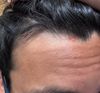
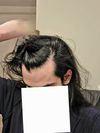
A 30-year-old male is experiencing hair loss and is concerned about his receding hairline, seeking advice on his Norwood scale classification. He is apprehensive about using Minoxidil and finasteride as treatments.
A 23-year-old man shared his 4-month hair regrowth progress using 1mg oral finasteride daily, 5% minoxidil with finasteride topical twice a day, multivitamins, microneedling, head massages, and ketoconazole shampoo. He's unsure of his current Norwood scale classification and is asking for help to determine it, with suggestions ranging from NW4 to NW4.5.
The user shared a 6-month aggressive hair loss treatment progress, using oral minoxidil, finasteride/minoxidil topical, dutasteride, derma stamping, Nizoral, and daily Cialis, which notably improved regrowth. Commenters observed significant improvement, with one noting a change from a Norwood 5 to a Norwood 1 in hair loss classification.
A user is participating in a phase 3 trial for Clascoterone, a topical acne medication that may stimulate hair growth, and will share results after 6 months. They will have a section of their hair shaved and marked with a tattoo for the study.
Clascoterone is a topical treatment for androgenetic alopecia, showing modest to moderate hair regrowth, and may be available by 2027-2028. It is considered safer than finasteride, with discussions on its effectiveness compared to RU58841 and pyrilutamide.
The conversation discusses anticipation for CB-03-01, a potential new hair loss treatment that may be more effective and have a cleaner safety profile than finasteride. Users are hopeful but cautious, discussing current treatments like minoxidil, nizoral, and dermarolling, and the possibility of combining them with CB-03-01 for better results.
Clascoterone (Breezula) showed positive results for treating hair loss without affecting cortisol levels. Opinions vary, with some users optimistic about its potential and others critical of its effectiveness compared to existing treatments like finasteride.
A 15-year-old experiencing hair loss and anxiety is using minoxidil and microneedling but is advised against starting finasteride or dutasteride due to age. The discussion emphasizes consulting a doctor, considering hormonal evaluations, and exploring non-medication coping strategies.
A 15-year-old is concerned about hair loss, possibly at Norwood 2 or 3, and is using shampoos and conditioners recommended by a trichologist. Suggestions include considering topical minoxidil and consulting a doctor about topical anti-DHT treatments like finasteride or RU58841, but avoiding 5-alpha-reductase inhibitors at this age.
The conversation is about the impressive hair density and hairline of a person, with users attributing it to good genetics and joking about the lack of hair loss despite stress. Specific hair loss treatments like Minoxidil, Finasteride, or RU58841 are not discussed.
The conversation is about comparing the effectiveness of fluridil and clascoterone in preventing hair loss and inquiring about their use as standalone treatments. There is a question about the concentration of the fluridil brand for efficacy.
User tried oral finasteride, topical finasteride, topical dutasteride, and RU58841 but experienced side effects. They discuss upcoming treatments like clascoterone, pyrilutamide, gt20029, and KY19382 as potential options.
The conversation is about Ashton Kutcher's hairline and how some people think it looks good for his age, while others criticize it. Some mention that he used to use medication for hair loss but stopped.
The post discusses a phase 2 trial for HMI-115, a hair loss treatment, in China, specifically seeking volunteers aged 18-65 with Norwood 3 vertex, 4, and 5 hair loss. The conversation includes questions about the specific recruitment criteria and how to volunteer.
Clascoterone (Breezula) shows a potential 500% increase in hair growth, possibly outperforming minoxidil and finasteride. It is in advanced trials, with hopes for FDA approval, but cost and side effects are concerns.
A person improved hair loss from Norwood 3 to Norwood 2 using a topical formula with minoxidil, dutasteride, and tretinoin, plus oral minoxidil and red light therapy. There is skepticism about the treatment's effectiveness and concerns about misleading comparison photos.
The conversation discusses disappointment over only receiving a financial report from Cassiopea instead of trial results for Breezula/CB-03-01, a hair loss treatment. However, there is optimism as the company is advancing Breezula into Phase III trials for men, starting trials for women, and submitting an NDA for their acne product, Winlevi.
Hair loss can cause psychological distress, but maintaining optimism and self-improvement is crucial. Treatments like minoxidil, finasteride, and potential new options like clascoterone offer hope, though side effects can occur.
PP405 and hair cloning are discussed as potential treatments for reversing hair loss from Norwood 7 to Norwood 1. Hair cloning is seen as a more permanent solution, while PP405's effectiveness and long-term effects remain uncertain.
A 31-year-old man, between Norwood 4 and 5, is considering hair loss treatments like finasteride and minoxidil but is concerned about side effects. He is exploring options with doctors and considering a hair transplant, noting that some clinics require medication before and after the procedure.
User shared 6-month progress of hairline recovery using oral finasteride and topical minoxidil, asking for current Norwood scale rating. Responses praised impressive results, with estimates ranging from Norwood 1.5 to 3.
Minoxidil 5% foam was used twice daily for 4 months, resulting in visible hair regrowth. Users discussed adding finasteride for better long-term results, with concerns about its side effects and alternatives like breezula and clascoterone.
A user started taking finasteride three months ago to treat hair loss and unexpectedly cleared their acne, which they had been struggling with since age 12. The conversation includes others sharing their experiences with finasteride, its effects on acne and hair loss, and mentions a related treatment, clascoterone, for acne and hair loss.
The user has been using finasteride for 6.5 months, topical minoxidil for about 4 months, and occasionally microneedling to treat hair loss, and is asking if the progress shown is appropriate for that time. Commenters are congratulating the user on the visible improvement.
The conversation discusses the emotional impact of early hair loss in men, with many feeling isolated and self-conscious. Some users also mention the lack of awareness about potential treatments like Minoxidil and Finasteride.
A 35-year-old man, balding since 18, has seen growth of small, almost white hairs all over his scalp after 1.5 months on oral finasteride and minoxidil. Users suggest sticking with the treatment for a year, adding microneedling, and potentially trying RU58841 or dutasteride.
A user's 6 month progress using finasteride and minoxidil as treatments for hair loss, with the replies discussing side effects and general consensus about usage of the two medications.
The conversation discusses hair loss treatments, with users mentioning dutasteride (Dut) as effective and wishing for more accessible dosages. They also debate the components of the "big 3" treatments, which now include Dut, RU58841, and oral minoxidil, with finasteride and minoxidil being consistently mentioned.
A 40-year-old man successfully regrew his hair in 8 months using 0.5mg Dutasteride, 2.5 oral minoxidil, minoxidil foam twice a day, derma rolling/stamping twice a week, and retinol serum. The community praised his progress, asked about his routine, and shared their own experiences.