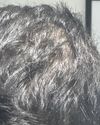
A 20-year-old is experiencing hair thinning and seeks advice on starting treatment and regrowing hair. They are considering using Minoxidil, finasteride, or RU58841.
The conversation discusses androgenic alopecia (AGA) and its treatments, focusing on finasteride, minoxidil, and ketoconazole shampoo. Finasteride is recommended as essential for preventing further hair loss.
The conversation discusses hair loss treatments, emphasizing the importance of patience and sticking with a treatment for at least 12-18 months before judging its effectiveness or adding new treatments. Users share experiences and agree that introducing treatments too quickly can lead to panic and negative outcomes.
Scalp tension potentially affecting hair loss, and potential treatments for male pattern baldness such as Minoxidil, Finasteride and RU58841. Evidence from a study was discussed which suggests that the cause of MPB lies within the follicle itself and is not dependent on its surrounding environment.
A person experienced hair loss after switching from finasteride to dutasteride and returned to finasteride, adding oral minoxidil. Dutasteride may increase scalp testosterone, worsening hair loss for some individuals.
Minoxidil alone is often insufficient for treating hair loss because it doesn't address the DHT-related cause. Combining it with finasteride, a DHT blocker, is generally more effective.
User OmniStrife experienced amazing hair regrowth using 1/4 of a Finasteride pill daily for 6 months. Others discussed their results, availability of pills, and side effects.
The efficacy of microneedling for hair regrowth as either a stand-alone therapy or adjunct to Minoxidil, and whether Tretinoin is a safer and more effective option. Replies include personal accounts from users who have had success with microneedling in combination with minoxidil and peptide serums, as well as considerations of technique, depth, and potential scarring.
The progress made by someone using finasteride, minoxidil and Nizoral for hair loss over a 2.5 year period, with before and after photos to show the results. Replies included encouragements and questions about the treatments used.
Scalp biopsies are crucial for diagnosing hair loss conditions like Diffuse Unpatterned Alopecia (DUPA) and retrograde hair loss, as treatments like finasteride and dutasteride may not be effective if other conditions are present. Combining PPAR-GAMMA agonists with retinoids could improve treatments for conditions like Lichen Planopilaris.
The conversation discusses preferences for hair loss treatments, specifically finasteride over dutasteride. Users share personal experiences, cost considerations, FDA approval status, and potential side effects, with some switching between treatments to find what works best for them.
PP405 is a promising hair loss treatment that may outperform minoxidil and finasteride by reviving dormant follicles and promoting significant regrowth. Results from ongoing trials are awaited, with a potential market release between 2028-2030.
A 24 year old male struggling with the physical and mental effects of balding, being short, and having a micropenis. Suggested treatments include taking medications such as finasteride and minoxidil, lifting weights, and trying not to compare himself to others.
Clascoterone is a topical treatment for androgenetic alopecia, showing modest to moderate hair regrowth, and may be available by 2027-2028. It is considered safer than finasteride, with discussions on its effectiveness compared to RU58841 and pyrilutamide.
Stopping minoxidil causes significant hair loss, as continued use is necessary for maintaining gains. Combining minoxidil with finasteride may help maintain hair, but both treatments are typically lifelong commitments.
Sugary beverages increase the risk of pattern hair loss in men by 57%, and type 2 diabetes is linked to female pattern hair loss. Reducing sugar intake and using treatments like finasteride and minoxidil may help manage hair loss.
A user (seblt) who has had side effects from finasteride, minoxidil and RU58841 but is now trying pyrilutamide as a last resort, with other users providing advice and support. They have already seen some baby hairs growing after 10-14 days of treatment and will provide updates in 1-2 weeks.
Microneedling for hair restoration involves daily use of a 0.3 mm device and weekly use of a 0.5 mm device. Combining microneedling with Minoxidil can enhance hair growth.
Some men are bald because they are unaware of hair loss treatments like Minoxidil (Min) and Finasteride (Fin), while others choose not to use them due to potential side effects, cost, or personal preference. Treatments like Min and Fin are discussed, with varying results and opinions on their effectiveness and side effects.
PP405 might make minoxidil unnecessary, but finasteride or other 5AR inhibitors may still be needed. PP405 is expected to be expensive and not available until at least 2028, with limited information on its effectiveness.
The user has been using finasteride for over a year without improvement and recently started oral minoxidil. Suggestions include trying dutasteride and continuing minoxidil for potential regrowth.
A user shared their experience with hair regrowth using supplements like NAC and DIM, and briefly using minoxidil with microneedling. They reported some improvement in hair density, but the community questioned the effectiveness compared to traditional treatments like finasteride.
A user shared their 5-year experience using minoxidil and finasteride, noting significant hair improvements without side effects. Consistency, a positive mindset, and lifestyle changes like a healthier diet and better sleep were key to their success.
Finasteride is discussed as a hair loss treatment with benefits like reduced prostate enlargement and skin aging, but it is not seen as a "fountain of youth." Users report mixed experiences, including side effects like decreased libido and dry eyes.
Increasing finasteride dosage can cause significant hair shedding initially. Users suggest adding minoxidil or switching to dutasteride for better results.
Hair loss treatments like finasteride, minoxidil, ketoconazole, PRP, and microneedling helped maintain hair for 20 years. Research and try evidence-based treatments for best results.
A user's claim that they have reversed their hair loss with the treatments Dutasteride RU58841, Minoxidil and castration; however, other users are skeptical of this claim.