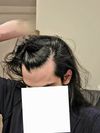
A user shared their hair regrowth journey from age 21 to 25 using finasteride and a carnivore diet. Other users debated the effectiveness of diet changes versus genetic factors in hair loss.
A user (Majestic-Head3874) who has had successful hair regrowth with the combination of topical minoxidil, oral finasteride and microneedling treatments. People are asking for details about these treatments and Majestic-Head3874 is sharing the regimen they used.
The user experienced significant hair regrowth using 1mg finasteride every other day and 1ml topical minoxidil daily, with initial shedding but improvement by three months. Microneedling was also used, with adjustments to frequency and needle length for better results.
The conversation is about using RF microneedling with ExoHealer, along with finasteride and minoxidil, to improve hair thickness and reduce shedding. The user reports noticeable improvements in scalp texture and oiliness, with plans to consider stem cell treatments in the future.
The user experienced hair regrowth and stabilization at Norwood 2 using natural remedies like pumpkin seed oil, rosemary oil, vitamins, and scalp massages, avoiding minoxidil and finasteride due to side effects. Another user suggested starting topical finasteride earlier to prevent further hair loss.
The user is using a regimen of topical finasteride (.025% concentration), minoxidil, Nutrafol, and vitamin D to address hair loss. They experienced initial side effects but reported improvement over 11 weeks and are considering increasing the dosage.
The conversation is about the anticipated release date of phase II results for a hair loss treatment called GT20029 and the cautious optimism surrounding it due to past disappointments with similar treatments. Users expect an update in the next few months.
The conversation is about the use of peptide therapies for hair loss, specifically GHK-CU, ZN-Thymulin, and PTD-DBM. The user is seeking feedback on the effectiveness of these treatments from those who have tried them.
The conversation discusses GT20029, a new topical drug for hair loss and acne without notable side effects, which has been accepted for investigational use in China. Some users express skepticism about the legitimacy of the company and the potential for other drugs like RU58841 to be developed due to patent expiration and lack of profitability.
Breezula shows promising hair growth results, with up to 539% increase in hair count compared to placebo, and regulatory submissions are planned in the US and EU. Users are cautiously optimistic, noting the potential for Breezula to replace finasteride by targeting DHT without systemic effects.
Minoxidil and finasteride are effective for hair loss, especially when used together. Microneedling may enhance minoxidil's effects, but its standalone effectiveness is uncertain.
Cold shock therapy may promote hair growth, but cold alone is not effective. Combining treatments like minoxidil, finasteride, cold showers, spicy foods, and exercise may enhance results.
The conversation is about using DIY copper peptide (GHK CU) serum for microneedling to address hair loss, with additional treatments including Nizoral for DHT reduction and red light therapy. The user is considering adding Minoxidil but is concerned due to having cats.
A new hair loss protocol using FDA-approved topical treatments targets eight pathways, potentially improving results by 60-75% compared to the standard 40-50% from oral minoxidil and finasteride. The protocol includes minoxidil, finasteride, tacrolimus, cetirizine, bimatoprost, lithium gluconate, losartan, melatonin, NAC, caffeine, and tretinoin, with a monthly cost of $35-50 in Mexico and $80-150 in the US.
The regimen includes using a diluted 5.5% Minoxidil / 0.025% Finasteride solution daily, microneedling weekly, and ketoconazole shampoo twice a week to minimize systemic exposure while maximizing scalp DHT reduction. The goal is to achieve hair regrowth with minimal side effects.
The user has been microneedling at 0.25mm once a week for 4 weeks and noticed further hairline recession. They are concerned about the impact of vitamin deficiencies, like biotin, on hair growth.
Discussing a regimen to improve the user's hairline, with treatments proposed including minoxidil, rectal microneedling, IV drip of minoxidil, laser removal, PRP injection, topical minoxidil, divine protein shakes, stem cell injections, and keto shampoo.
A 23-year-old male is experiencing diffuse hair loss and miniaturization, possibly due to high IGE levels after using tofacitinib. He seeks advice and has not yet consulted a dermatologist.
The conclusion of the conversation is that the user, djamezz, has experienced significant regrowth and improved density in their hairline by using treatments such as RU (RU58841), dut (dutasteride), and Inkey's Caffeine Scalp treatment. They are satisfied with their progress and do not plan to cut off their hair.
The user is treating hair loss with dermarolling, a laser helmet, scalp massages, and Nizoral. They stopped using minoxidil and finasteride and are considering pumpkin seed oil and sulforaphane.
The user has been microneedling weekly for almost 8 months without seeing progress and is experiencing shedding. They are also using finasteride daily and Kirkland minoxidil twice a day, and had a hair transplant after starting finasteride.
A 30-year-old male is experiencing hair loss and is concerned about his receding hairline, seeking advice on his Norwood scale classification. He is apprehensive about using Minoxidil and finasteride as treatments.
The user has been using finasteride, minoxidil, and microneedling consistently for one month to improve hair regrowth. They also use collagen peptides, pumpkin seed oil, vitamin D, biotin, nizoral shampoo, adenosine shampoo, caffeine topical, and rosemary oil as part of their routine.
Minoxidil and microneedling are causing new hair growth, particularly in the center of the hairline, creating a more prominent M shape. Users discuss the progress and potential benefits of the treatment.
The user is using oral Minoxidil, oral Dutasteride, microneedling, and RU58841 for hair loss, noticing slow progress with small hairs appearing. They are inconsistent with microneedling frequency, sometimes doing it weekly or skipping weeks.
The conversation discusses Peptonix microneedling, a copper peptide serum, as a potential hair loss treatment. Users compare it to finasteride and minoxidil, noting side effects and personal experiences with these treatments.
Nutrafol is criticized for misleading advertising, as it doesn't effectively regrow hair. Effective treatments mentioned include minoxidil and finasteride.
A 32-year-old male with Norwood 3 and heavy diffuse thinning is starting a hair loss treatment including RU58841, Minoxidil, finasteride, derma rolling, vitamins, and possibly MK677, while cutting out most sugars from his diet. He plans to share progress photos and updates on his test levels.
2-deoxy-D-ribose, a sugar molecule, is found to be 80%-90% as effective as Minoxidil in promoting hair growth, showing potential for alopecia treatment. Concerns include high cost, lack of human studies, and possible side effects like diarrhea and nausea.