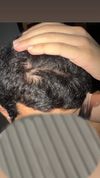
The conversation discusses a user's positive experience with hair loss treatments, including Duoxidil, oral Dutasteride, oral Minoxidil, and biotin, noting no side effects and effective results. The user plans to start a new cycle of Dutasteride and PRP sessions.
The conversation is about someone's 13-month hair regrowth progress using 0.5 mg Dutasteride daily, 5% Minoxidil twice daily, Biotin tablets, and Sebizole shampoo. They are happy with the results.
A 43-year-old male has been using oral minoxidil, finasteride, and dutasteride for hair loss, with some stabilization and thin hair growth but no significant cosmetic improvement. He is considering increasing microneedling frequency and exploring other options, as he is concerned about the lack of terminal hair growth.
A 22-year-old is using a hair loss treatment protocol including dutasteride, microneedling, 10% minoxidil, 0.1% finasteride topical, a healthy diet, and a hair multivitamin. Users discuss the effectiveness of microneedling and the intensity of the treatment.
A user is seeking advice on adding dutasteride to their finasteride regimen to stop DHT-related scalp itch. They have tried selenium sulfide and ketoconazole shampoos with temporary success.
The user has been on a hair loss treatment for 14 months using dutasteride and oral minoxidil without seeing regrowth and is considering adding more drugs due to the psychological impact of hair loss. However, replies suggest the user may not actually be experiencing noticeable hair loss.
The user is hesitant to start a hair loss treatment regimen with Finasteride, Minoxidil, a derma stamp, and Nizoral shampoo due to concerns about potential side effects, despite being motivated by success stories. They seek advice from others who have faced similar dilemmas or have started treatment despite initial fears.
The user is experiencing increased hair shedding after 6 months of using Dutasteride and oral minoxidil, despite previous regrowth and satisfaction with the results. They are considering shaving their head again and discuss the effectiveness of their treatment routine, which includes Dutasteride, oral minoxidil, and Nizoral, while also addressing concerns about side effects like erectile dysfunction and body composition changes.
PP405 might make minoxidil unnecessary, but finasteride or other 5AR inhibitors may still be needed. PP405 is expected to be expensive and not available until at least 2028, with limited information on its effectiveness.
The user has been using finasteride and minoxidil, then switched to dutasteride and minoxidil for six months without significant results, noticing thinning after increasing creatine dosage. They plan to consult a dermatologist to explore potential causes beyond androgenetic alopecia.
Hair loss discussion mentions treatments like Finasteride, Dutasteride, and Minoxidil. Users share experiences, side effects, and advice on using these treatments.
The user reports progress in hair regrowth using a daily routine of 0.5mg Dutasteride, 5% Minoxidil foam, and Olly hair gummies, while discontinuing rosemary water. They are hopeful for continued improvement and have received positive feedback on their progress.
The user shared impressive hair regrowth results after 1.5 years using dutasteride (DUT) and oral minoxidil. They switched from finasteride and topical minoxidil due to lack of results and experienced no side effects.
The user is managing hair loss with oral finasteride, recently switching to dutasteride, and topical minoxidil, but faces challenges due to seborrheic dermatitis. They seek advice on effective regrowth methods that don't worsen their condition, with suggestions including various shampoos like Vichy Dercos and ketoconazole.
The user switched from finasteride to dutasteride for hair loss treatment, also using topical minoxidil, micro needling, keto shampoo, and PRP sessions. They've seen improvements, with reduced hair shedding and new hair growth, especially at the hairline.
Some people don't see results with FDA-approved hair loss treatments like finasteride or minoxidil due to underlying issues. The video suggests addressing these issues, especially if there are atypical symptoms or other health conditions.
The conversation is about gathering serum DHT data from individuals taking dutasteride to investigate its efficacy, especially in cases with unexpectedly low DHT reduction. The aim is to explore potential genetic factors affecting drug metabolism.
A user is using topical dutasteride, topical finasteride, and minoxidil to address a receding hairline and is seeking opinions on their routine. They report seeing vellus hair growth after nearly three months of use.
New hair loss treatments like VDPHL01, PP405, Gt20029, and Breezula are anticipated, with VDPHL01 possibly releasing in 2027/28. Current treatments include finasteride, dutasteride, and minoxidil, but new options are eagerly awaited.
PP405 is a promising molecule that may reactivate dormant hair follicles, potentially offering a new treatment for hair loss. It is in phase 2 trials, with possible availability between 2027 and 2030.
PP405 cannot restore extracted hair follicles after a transplant as they are removed, not dormant. Combining verteporphin with wounding and PP405 is suggested but not confirmed effective.
PP405 is considered a promising hair loss treatment, potentially replacing minoxidil but not finasteride. Users are hopeful for future treatments like GT20029 and VDPHL01, while remaining cautious about effectiveness and side effects.
The user has been using a hair loss treatment including oral Minoxidil, topical Minoxidil with Tretinoin and Finasteride, and is considering adding Dutasteride but is concerned about the potential side effects and risks regarding fertility. A reply suggests that having children while on these medications should be fine, advising to avoid letting the partner come into contact with the drugs.
The user started balding at 16/17 and tried various treatments including minoxidil, finasteride, and dutasteride with little success. They recently started applying diclofenac gel to their bald areas and noticed some hair regrowth, attributing this to diclofenac's ability to lower prolactin levels and its anti-inflammatory effects.
The conversation questions the lack of feedback on the effectiveness of PGE2 and setipiprant for hair loss, despite their availability. The user is puzzled by the absence of reviews or results, whether positive or negative.
The user is experiencing side effects from Dutasteride 0.5 mg and is considering reducing its frequency or switching back to Finasteride, while continuing with Minoxidil 2.5 mg to preserve their hairline. They are unsure if the increased Minoxidil dose is sufficient for regrowth.