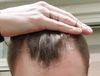
PP405 is considered as a potential hair regrowth treatment, but users are skeptical due to past product failures. They compare it to Minoxidil and Finasteride, questioning its effectiveness and the intentions of pharmaceutical companies.
CRISPR treatments for blood disorders have been approved, leading to discussions about its potential for treating hair loss (AGA). A study showed that editing a gene related to DHT sensitivity could lead to hair regrowth, suggesting CRISPR may eventually be used for AGA, but it's expected to be expensive and not soon available.
CRISPR shows promise for treating hair loss by targeting specific genes. Current treatments include Minoxidil and finasteride, but CRISPR could offer a more precise solution, though it is still expensive and in early stages.
The user is considering stopping RU58841 due to inconvenience and potential side effects, while continuing with oral minoxidil and dutasteride. Another user shared their experience of stopping RU58841 without significant hair shedding while on dutasteride and minoxidil.
The user is considering switching from topical finasteride to RU58841 or KX826 due to side effects like low libido and ED. They are also using oral minoxidil and considering low-dose saw palmetto to maintain their hairline.
The conversation discusses using 2-deoxy-d-ribose (2DDR) for hair regrowth, with users sharing mixed experiences and side effects like hair loss in new areas and increased anxiety. The original poster plans to continue testing and comparing it to minoxidil, noting potential instability in 2DDR formulations.
The conversation discusses using RU58841 at a 2% concentration as an alternative due to side effects from finasteride. The user plans to start with a lower concentration and increase if necessary.
The conversation discusses hair loss treatments, specifically using a Dermaroller, Minoxidil, and RU58841 for two months. The user shared progress pictures showing the results of these treatments.
Treatments for hair loss, including microneedling (dermarolling and dermapen) and the use of minoxidil, finasteride, and RU58841. It provides detailed information about cost and usage of the various treatments, as well as potential side effects.
The conversation discusses hair regrowth using 2-deoxy-d-ribose (2DDR) combined with minoxidil, with some users noting new hair growth. The original poster has been using minoxidil for 12 years and is considering combining 2DDR with finasteride, despite past side effects.
Pyrilutamide is discussed as a potential hair loss treatment, acting as an androgen receptor antagonist. The conversation questions if it can maintain hair long-term without using finasteride.
Microneedling with 5% minoxidil improves hair growth for hair loss patients. Best protocol: 1.5mm dermaroller weekly for 12 weeks or 0.6mm dermapen every 2 weeks for 12 weeks, skipping topicals for 24 hours.
Hair loss treatment progress with Dut, Min, Keto, needling, and RU/Min/Fin/Dut topical. User noticed improvement, believes RU and needling most effective.
The conversation discusses androgen receptor degraders for hair loss, highlighting their potential advantages over traditional AR blockers like RU58841 and pyrilutamide. Concerns about the safety and cost of these treatments are also mentioned.
Quitting RU58841 after over two years reduced scalp itching and inflammation, despite concerns about losing hair gains. The user continues using finasteride and oral minoxidil.
A participant using Veradermics VDPHL01, an extended-release oral minoxidil, experienced significant hair regrowth from Norwood 6 to Norwood 3V without side effects. They plan to use dutasteride after the treatment to maintain results.
Using RU58841 and topical minoxidil together is fine and does not cancel out the benefits of each. Applying both treatments consecutively is acceptable.
Emerging hair loss treatments like PP405, a topical MPC inhibitor, show promise in activating stem cells for hair growth. The conversation seeks information on the development stages and accessibility of these treatments.
A user experienced rapid hair loss despite taking finasteride 1mg and undergoing PRP treatment. They also take a supplement with biotin, iron, zinc, and calcium but have not seen improvement.
Concerns about metal particles from dermapen or dermaroller needles potentially entering the skin and lymph nodes, similar to tattoo needles. Discussion includes the possibility of using Minoxidil, finasteride, and RU58841 for hair loss treatment.
The conversation is about using RU58841 for hair loss after finasteride didn't work, with the user considering trying RU before minoxidil. Another user suggests trying oral dutasteride and oral minoxidil first.
Pelage executives' hairlines were discussed, with speculation about them using PP405 for hair regrowth. Concerns were raised about using untested drugs, with some suggesting executives might not risk using them without safety data.
The conversation discusses whether gt20029 could cure complete baldness, mentioning verteporfin as a realistic treatment. Other treatments like Minoxidil, finasteride, and RU58841 are implied to be less promising.
The conversation is about using RF microneedling with ExoHealer, along with finasteride and minoxidil, to improve hair thickness and reduce shedding. The user reports noticeable improvements in scalp texture and oiliness, with plans to consider stem cell treatments in the future.
The user is seeking advice on which treatment to add to their current regimen for male pattern baldness. They have previously tried Dutasteride, Nizoral, and oral Minoxidil, but experienced continued hair loss. They are specifically asking for experiences with RU58841, Stemoxydine, or Alfatradiol.
The conversation is about finding a reliable source to purchase Pyrilutamide that ships to the UK. There's also an openness to using RU58841 as an alternative.