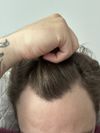
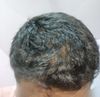
The conversation is about making a 20mg/ml RU58841 solution for hair loss treatment using ethanol and propylene glycol. The user receives advice on calculating the correct amount of RU58841 powder needed.
The conversation discusses concerns about MVSupplements.com products, specifically the Min+Ru spray and GHK Serum, due to discrepancies in ingredient lists and recent poor feedback. Users also mention a price increase and one user reports no issues with the RU powder.
The user lost hair density after 7 months of using minoxidil and finasteride and is seeking advice on other treatments after trying tretinoin, microneedling, and castor oil. Suggestions include checking for scalp conditions like eczema or psoriasis, changing minoxidil brands, and questioning hair dryer use and finasteride dosage.
The conversation is about finding a source for Alfatradiol 0.1% as most available products are 0.025%. A suggestion was made to use four times the dosage of the 0.025% product.
The user treated androgenic alopecia with topical minoxidil, finasteride, vitamin D, and biotin, while also using ketoconazole shampoo for dandruff. They focus on weight training and take daily vitamin D tablets.
A 17-year-old in the UK seeks advice on mitigating hair loss until finasteride becomes an option at 19. Recommendations include using Minoxidil and considering other treatments like specific shampoos and dietary changes.
A 28-year-old is assessing their hair loss on the Norwood scale, considering adding topical minoxidil and dermastamping to their current regimen of oral finasteride and minoxidil. They feel their hair loss is worsening and seek opinions on their condition.
A 29-year-old shares progress on hair recovery using a daily liposomal topical mix of finasteride and minoxidil, iRestore device, and several vitamins. They report no side effects from the topical treatment, unlike previous issues with oral finasteride.
A 34-year-old male shares a nine-month update on hair loss treatment using 1.25mg oral finasteride daily, 5% topical minoxidil 5-7 times a week, and 1% ketoconazole shampoo twice a week. He reports stopping diffuse thinning and regaining crown density, though his hairline may require a transplant.
A user's experience of using finasteride to treat hair loss, including details about shedding and side effects; their regimen; and the advice given by others about diet, sport, smoking, and topical treatments.
The user stopped using finasteride and RU58841 and is considering CB-03-01 for androgenic alopecia but is concerned about the cost and effectiveness, especially at a lower dose than in clinical trials. They are also using minoxidil, micro-needling, and nizoral shampoo but are unsure about the correct application method for CB-03-01.
The conversation discusses a hair loss treatment formulation containing cyclosporin, minoxidil, and tacrolimus, and mentions ongoing research on hair color reversal. The treatment showed high efficacy in restoring hair color in trials with 40 to 50 people.
A 32-year-old man has been treating his hair loss with daily oral finasteride (1.25g), twice-daily topical minoxidil, weekly ketoconazole 2% shampoo, and weekly microneedling for almost three months, with no side effects from finasteride. He started with a Hamilton Norwood scale rating of 5 and has seen improvement without experiencing pain by using a 0.8mm needle length for microneedling.
A 23-year-old noticed crown thinning and started using 1.25mg finasteride, biotin supplements, biotin/collagen shampoo, and 1% nizoral shampoo. After 3 months, they reported improvement and side effects that subsided after 2 months.
The user is treating alopecia areata with 1.25mg oral minoxidil daily and topical mometasone furoate, considering increasing the dose or adding finasteride, though finasteride is not typically used for this condition. A gluten-free diet is suggested, and alternatives like Olumiant are mentioned.
A 19-year-old male has been using topical finasteride and minoxidil for 8 months with no progress and is considering seeking a second opinion due to potential misdiagnosis. The discussion revolves around whether the hair loss is due to male pattern baldness, alopecia areata, or a vitamin deficiency.
The conversation discusses hair thinning and potential treatments, focusing on vitamin D supplements and their effects. Other suggestions include zinc, a high-protein diet, and coconut oil for hair health.
The user noticed temple recession and front thinning. Their treatment includes microneedling, topical minoxidil and finasteride, biotin, zinc, selenium, vitamin D3, rosemary oil, and specific shampoos.
The conversation discusses experiences with NMN supplementation for hair growth, with some users reporting increased hair growth activity and others seeing no significant changes. OP has been using dutasteride and oral minoxidil, and recently added NMN, noticing increased shedding, which they hope indicates new hair growth.
The user has been using 1mg Finasteride and 5% topical Minoxidil for 9 months with little improvement and has recently added microneedling, showing slight progress. The new protocol includes switching to 5mg oral Minoxidil, continuing microneedling, and adding Anagenil Complex, while seeking advice on whether to stop topical Minoxidil and the effectiveness of Anagenil Complex.
A user experienced hair loss improvement by quitting caffeine, reducing sugar intake, and improving overall health, while also using rosemary oil conditioner. They previously tried minoxidil, finasteride, and dermarolling, but stopped due to side effects and heart palpitations.
A 24-year-old male has been using oral finasteride and minoxidil for 7 months with noticeable results but seeks advice for improving frontal hair density. A suggestion was made to add microneedling to enhance absorption and stimulate growth.
The user is updating on their 3-month progress using minoxidil (0.5mg twice daily) and microneedling once a week. They plan to consult a doctor about adding finasteride to their regimen.
The conversation discusses making a RU58841 solution for hair loss prevention and includes personal experiences with using RU58841 and minoxidil for hair regrowth, with a mention of monitoring health effects.
The user is experiencing gradual hair growth using 5% minoxidil, 0.01% finasteride, vitamins, capixyl serum, niacin, and weekly microneedling, with plans to increase finasteride dosage. Despite some side effects, they remain optimistic about hair transplant results, focusing on the crown and temples.
A 20-year-old is experiencing a receding hairline and thinning at the crown, using minoxidil 5% for 15 days. It is suggested to continue minoxidil and consider adding finasteride and ketoconazole shampoo for better results.
The user's progress with hair loss treatments, including Fin 1mg daily, Minoxidil once a day and Keto 2% twice a week. Another user commented in response.
The user is using a comprehensive hair loss prevention regimen including Dutasteride, RU58841, topical treatments, red light therapy, microneedling, and supplements like Nutrafol, while avoiding Minoxidil. They also supplement with vitamin D and zinc and plan to start testosterone replacement therapy (TRT) in January.
Everychem's solution, similar to PP405, has mixed results for hair regrowth, with some users reporting improvements and others seeing no change or worsening hair loss. Users are sharing experiences and updates to determine its effectiveness.