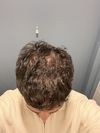
A user's experience with microneedling monotherapy and potential treatments such as finasteride, minoxidil, Stemoxydine, rosemary oil, peppermint oil, and RU58841 for reversing hair loss.
Dustaride doesn't require avoiding any vitamins, but checking vitamin D levels and supplementing if deficient is suggested. Hair vitamins are generally unnecessary unless there's a deficiency.
A 43-year-old male with advanced hair loss is experimenting with alternative treatments, including red light therapy, microneedling, scalp massages, an oil mix, and ketoconazole shampoo, after previously experiencing side effects from finasteride and minoxidil. He noticed some minor changes with red light therapy but remains skeptical about significant improvement.
The conversation is about a person starting a hair loss treatment regimen including 1mg finasteride, 2ml minoxidil twice daily, dermarolling with a 1mm needle, and taking vitamin C, biotin, and vitamin D3. They plan to share their results in 6 months to a year.
An 18-year-old noticed significant hairline recession and is concerned about further hair loss. They plan to improve their lifestyle and are advised to use finasteride and minoxidil and consult a dermatologist.
The conversation discusses whether creatine is safe to use with finasteride for hair loss treatment. It suggests consulting a doctor before adjusting finasteride dosage.
A user is experiencing severe dandruff and hair loss, considering using ketoconazole shampoo 2% to manage these issues. They seek advice on application frequency and effectiveness, with suggestions to use it 2-3 times a week and to consider other treatments like finasteride for hair loss.
The conversation is about a user's progress in treating diffuse hair thinning using a topical regimen including finasteride, minoxidil, ketoconazole, microneedling, saw palmetto, collagen, and vitamins, along with lifestyle changes. The user plans to switch from topical to oral finasteride for potentially better results.
The conversation discusses the belief that zinc, caffeine, and weightlifting may contribute to hair loss by increasing DHT levels. The original poster plans to reduce zinc and caffeine intake and stop weightlifting to see if it improves their hair condition.
The user is experiencing hair thinning and bald spots, using Nizoral, rosemary oil, fluocinolone, and receiving PRP treatments. They are considering oral minoxidil and finasteride but are hesitant due to age and financial constraints.
The user is seeking opinions on whether their hairline changes indicate regrowth or hair loss, using treatments like Rogaine, finasteride, microneedling, and Nizoral. They mention inconsistent finasteride use, scalp massages, and lifestyle factors like caffeine, nicotine, stress, and high sugar intake.
The user reports that MSM supplementation has thickened their hair strands while using finasteride and topical minoxidil. They also take zinc, copper, B-complex, vitamin C, vitamin D3, and K2, and plan to add omega-3, magnesium, astaxanthin, and pterostilbene.
A user started taking finasteride 1mg/day for hair loss but hasn't seen results yet. They also take vitamins and asked about adding minoxidil and the effectiveness of LLLT.
A user is starting a microneedling regimen for hair loss, using Derminator 2, ketoconazole shampoo, castor oil, and multivitamins. They plan to provide monthly updates on their progress.
The conversation discusses a natural approach to hair loss treatment, including using natural shampoo, daily scalp massages, derma rolling, and dietary changes, with the goal of improving hair health. Some users express skepticism about natural methods, advocating for finasteride or minoxidil, while others share positive experiences with natural treatments like essential oils and derma rolling.
The user has been experiencing hair thinning despite taking finasteride and minoxidil for six months. Bloodwork suggests a vitamin D deficiency, and users recommend consulting a doctor and possibly supplementing vitamin D.
The conversation humorously discusses hair loss treatments, mentioning "oral miraclegro," "topical roundup," "spectracide," "Cow Dung mesotherapy," and "weekly Foot stepping sessions." The user jokingly considers switching to "weed and feed" as a treatment.
The user has been microneedling at 0.25mm once a week for 4 weeks and noticed further hairline recession. They are concerned about the impact of vitamin deficiencies, like biotin, on hair growth.
The user is considering adding microneedling to their current hair loss regimen, which includes 1mg finasteride daily, 1.25mg oral minoxidil twice daily, and Nizoral once a week. Opinions on microneedling's effectiveness vary, but some suggest it could enhance results.
The conversation is about experimenting with microneedling and growth factor topicals for hair growth, avoiding Minoxidil due to shedding concerns. The treatment includes microneedling, growth factor topicals, finasteride, biotin, and a caffeine shampoo.
A user shared that taking vitamin E, specifically tocotrienols, seemed to reduce their hair shedding, and they are also using finasteride, minoxidil, and derma rolling for hair loss. Another user cautioned against high doses of vitamin E due to potential health risks.
The user successfully reduced hair loss using pumpkin seed oil, Nizoral shampoo, and astaxanthin without using minoxidil or finasteride. They observed significant improvement over 12 months and believe the combination of treatments is effective.
The conversation is about seeking advice on the potential benefits of two different hair sprays for hair loss, with a list of ingredients provided for each. Specific treatments were not discussed.
The user shared a 5-month update on using finasteride, minoxidil, and ketoconazole shampoo for diffuse thinning, along with supplements like B-Vitamins, D-Vitamins, Iron, and Beta carotene. They noted improvement in hair condition and encouraged others to check previous posts for more information.
Before starting hair loss treatment, it's suggested to undergo various blood and health tests to minimize side effects. The checklist includes tests for kidney function, liver enzymes, blood sugar, vitamins, hormones, and more.
A user's hair loss treatment regimen, which includes minoxidil, ketoconazole shampoo and microneedling; some participants questioned the results due to previous posts about hair transplants, but others agreed that quick results are possible with certain treatments.
The user started using dutasteride, biotin, vitamin D3, zinc, a multivitamin, and oral minoxidil, and noticed hair shedding after starting gym workouts. Another user suggested getting nutrients from food sources and mentioned that vitamin D3 might need supplementation if not obtained from sunlight.
Hair loss treatment should target dermal white adipose tissue (DWAT) to restore hair follicles. Potential remedies include tocopherol (vitamin E), botox, rosiglitazone, niacin, kojyl cinnamate esters, and ADP355.