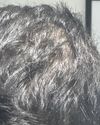
Creatine may cause hair loss in some individuals, especially those on finasteride, despite no scientific link. Personal experiences suggest individual sensitivity to DHT could be a factor.
Balding seems to worsen with each generation, possibly due to stress, diet, and environmental factors. The user started treatments like Minoxidil and finasteride.
The conversation is about the difference in hair loss between bodybuilders in the "Golden Era" and modern bodybuilders. Some users speculate that factors such as the types and doses of steroids used, genetics, diet, microplastics, and overall health may contribute to hair loss. Hair loss prevention medication and transplants are mentioned as potential treatments.
User has been on Fin for 6 years and shares 4 years of progress pictures, noticing less dense and itchy hair. Replies suggest visiting a dermatologist, considering Dutasteride and Minoxidil, checking bloodwork, and evaluating lifestyle factors.
Cannabis and THC may have mixed effects on hair, with some studies suggesting potential negative impacts on hair growth in isolated hair follicles, but these results are hard to apply to living humans. Treatments like minoxidil and finasteride are commonly used for hair loss, and the effects of cannabis might be neutral or vary based on individual factors.
Diet can influence hair health, but male pattern baldness (MPB) is primarily genetic. Treatments discussed include Minoxidil, finasteride, and RU58841.
A user reported a 50% increase in testosterone after 18 months of taking dutasteride for hair loss. The conversation includes skepticism about the reliability of single testosterone tests and questions about estrogen levels.
The conversation discusses hair loss treatments, specifically PRP, Minoxidil, and Finasteride. The user is considering PRP but is concerned about its effectiveness and potential side effects, while another user suggests starting with Minoxidil and possibly adding Finasteride later.
A 16-year-old girl is experiencing hair loss, which has worsened despite using minoxidil and multivitamins. Suggestions include broader hormone testing and considering other treatments like spironolactone if the hair loss is due to androgenic alopecia.
The conversation discusses hair color change and shedding, questioning if it's due to Telogen Effluvium or Androgenetic Alopecia (AGA). Treatments mentioned include Minoxidil, finasteride, and RU58841.
The conversation discusses the potential impact of creatine on hair loss, with some users sharing personal experiences of increased shedding while others argue there's no scientific evidence linking creatine to hair loss. The original poster switched from finasteride to dutasteride and is considering resuming creatine after monitoring its effects on hair loss.
Being overweight may increase finasteride side effects due to higher aromatase activity converting testosterone to estradiol. Maintaining a healthy weight could reduce these side effects.
User saw hair growth after three months of using oral finasteride, microneedling, serums, and devices. Minoxidil did not work for them, and they previously had a hair transplant.
Finasteride may affect liver function and cortisol levels, potentially linking it to non-alcoholic fatty liver disease (NAFLD). More research is needed to understand this connection fully.
The user discusses their long struggle with hair loss, considering various treatments like hair transplants, hair systems, and natural methods such as micro-needling, vitamin supplements, and a healthy lifestyle. They express concerns about side effects from drugs like finasteride and ultimately lean towards using a hair system for better appearance and confidence.
The original poster found that using rosemary oil, peppermint oil, jojoba oil, oral castor oil, head massages, ketoconazole shampoo, omega-3 fatty acids, and a multivitamin reduced their hair loss from 150 to 50 hairs a day. Another person reported a significant drop in hair loss using a similar oil blend with additional ingredients.
Catalase is discussed as a potential treatment for delaying or reversing grey hair, but no reliable medicine currently exists. Other mentioned treatments include Imatinib, senolytics like Quercetin and Fisetin, He Shou Wu, Argan oil, and reishi mushroom extract, though their effectiveness varies.
Minoxidil alone is often insufficient for treating hair loss because it doesn't address the DHT-related cause. Combining it with finasteride, a DHT blocker, is generally more effective.
The user is using a combination of hair loss treatments including dutasteride, minoxidil, RU58841, low-level laser therapy, ketokonozole, supplements, Viviscal, Nutrafol, microneedling, PRP, and scalp Botox injections, but is still experiencing hair shedding and thinning. Despite being on this regimen for two years, the user's hair condition is worsening, and they are seeking advice on what else they can do.
The conversation suggests that changing diet and lifestyle has little to no effect on male pattern baldness (MPB), which is largely determined by genetics. Some individuals noted personal improvements in hair condition with healthier diets, but the consensus is that diet alone cannot prevent or reverse MPB.
Diffuse thinning is often due to androgenetic alopecia, and DHT blockers like finasteride are recommended. Treatments mentioned include minoxidil, finasteride, dutasteride, and RU58841, with emphasis on starting early and using a holistic approach.
A dermatologist advised stopping minoxidil due to heavy shedding, suggesting alternative treatments like Betaval Lotion and supplements, but many users disagreed, recommending continuing minoxidil and adding finasteride for better results. The conversation highlights skepticism about the dermatologist's motives and emphasizes the importance of understanding the type of hair loss before choosing treatments.
A 20-year-old is experiencing hair thinning and seeks advice on starting treatment and regrowing hair. They are considering using Minoxidil, finasteride, or RU58841.
The conversation is about a person celebrating 5 years of sobriety and experiencing hair regrowth after using dutasteride and minoxidil for 8 months. They share their health improvements and encourage others struggling with addiction, while receiving support and congratulations from others.
Androgenic alopecia (AGA) might have evolved to reduce prostate cancer risk by increasing UV exposure to the scalp, but this theory is debated. Treatments like minoxidil and finasteride are used for AGA, though the exact causes and evolutionary reasons for hair loss are unclear.
Hair loss treatments include using finasteride, dutasteride, and RU58841. Lifestyle changes like increasing carb intake and moderate alcohol consumption are suggested to boost estrogen levels.
The user shared their journey with hair loss, using minoxidil initially, then adding microneedling and finasteride, and finally undergoing a hair transplant. They expressed regret for not using finasteride earlier due to fear of side effects and found the combination of treatments effective in the end.
The conversation is about a user who has been using topical minoxidil for 3 months and oral finasteride for 2.5 years to combat hair loss, with positive results so far. The user is curious about future hair growth and considers additional treatments like dermarolling and low-level laser therapy.
A user experienced significant hair regrowth after using 1mg of finasteride daily for a year, avoiding minoxidil due to its toxicity to cats. They attributed success to quitting smoking, a better diet, and reduced stress, with only watery semen as a side effect.
Teak leaf extract shows potential as a mild hair growth promoter for androgenic alopecia, with similar positive trends to minoxidil but without significant side effects. It can be made at home using dried teak leaves and ethanol, though its effectiveness compared to other treatments like finasteride is debated.