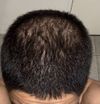
Vitamin E and K deficiencies due to exocrine pancreatic insufficiency may affect hair growth. A scalp biopsy is recommended to check for autoimmune-related hair loss.
The user reports success in treating hair loss using finasteride, minoxidil, Nizoral, vitamin D3, biotin, and dermarolling. They noticed improved hair growth, especially after addressing a severe vitamin D deficiency and changing their minoxidil regimen.
The conversation discusses hair thinning and potential treatments, focusing on vitamin D supplements and their effects. Other suggestions include zinc, a high-protein diet, and coconut oil for hair health.
Vitamins and minerals like vitamin E, zinc, and iron may aid hair growth, especially in cases of deficiency. Pumpkin seed oil, saw palmetto, horsetail, and AminoMar show some promise for improving hair health and count.
The conversation is about a user experiencing increased hair loss after altering their treatment routine of oral dutasteride and topical minoxidil. The dermatologist emphasized the importance of diet and vitamins, but the user is skeptical given their healthy lifestyle.
The user has androgenetic alopecia (AGA) and low Vitamin D levels, and they started using topical minoxidil (5%). They are considering finasteride but are concerned about side effects and are advised to seek mental health support.
The conversation is about a user planning to start minoxidil treatment and considering increasing zinc intake to improve testosterone and libido. They are concerned about potential hair loss due to increased testosterone and are advised to consider magnesium supplementation and the effects of DHT if not on finasteride or dutasteride.
The user experienced severe hair shedding despite using oral finasteride, minoxidil, dutasteride, and RU58841, and was diagnosed with Non-Alcoholic Fatty Liver Disease (NAFLD). They are considering switching to topical treatments due to the ineffectiveness of their current regimen.
Nutrafol progress for 8 months is discussed, with skepticism about its effectiveness. Finasteride and Minoxidil are mentioned as alternative treatments.
A user is experiencing hair regrowth after treating vitamin D, B12, and B9 deficiencies, noticing some improvement after 9 months. They are unsure if further improvement will occur or if they have reached the end of progress, with a possibility of androgenetic alopecia (AGA) being suggested.
A user with low ferritin and zinc levels is asking if others have seen hair improvement after taking iron supplements. They were prescribed minoxidil and finasteride by their doctor.
A user gained 10-12 kg after starting finasteride but found their estrogen levels to be within the normal range. They are concerned about potential gynecomastia but are reassured by their lab results.
The user is experiencing stage 2 hair loss and thinning, noticing more scalp visibility with short hair. They are considering diet, yoga, scalp massage, supplements, and a serum recommended by their doctor, and questioning if it's safe to stop using the serum and whether to get a blood test since hair loss isn't a family trait.
The conversation discusses hair loss treatments, specifically using Minoxidil, finasteride, and RU58841. It also mentions the importance of raising vitamin D3 levels.
Hair loss is distressing, with treatments like finasteride, minoxidil, and spironolactone commonly used despite potential side effects. Emphasis is placed on maintaining mental health and self-worth beyond hair appearance.
A 47-year-old male experienced significant hair loss after losing 37 kg in 6 months on a low-carb diet and started taking biotin, zinc, iron, selenium, and spectral dcn-n. Replies suggest that while carbs are not directly needed for hair growth, they help regulate hormones and nutrient absorption, and rapid weight loss can also contribute to hair loss.
A 31-year-old male experienced hair shedding after rapid weight loss and stopping vitamins, despite using minoxidil and other supplements. He is considering Saw Palmetto and Pumpkin Seed Oil instead of finasteride due to trying for kids, and is concerned about high ferritin and DHEAS levels.
Some people have low sulfotransferase enzyme levels, affecting their response to minoxidil. Lifestyle factors, genetics, and diet, like MSM intake, might influence these enzyme levels.
The conversation is about a hair loss treatment regimen using high concentrations of natural ingredients: pumpkin seed oil, saw palmetto, rosemary and peppermint essential oils, and caffeine. The user also practices microneedling, scalp massage, and takes Nutrafol.
A user reports significant improvement in scalp thinning after nearly 2 months of using Nutrafol, along with derma rolling and weekly rosemary oil application. Another user suggests the success might be due to saw palmetto in Nutrafol and shares their own experience of maintaining hair without finasteride.
People discussed using vitamin D supplements for hair loss, with some also using steroid injections, pumpkin seed oil, saw palmetto, and zinc. Despite supplementation, one user noted no improvement in hair condition, but acknowledged the general health benefits of addressing vitamin D deficiency.
The user experienced significant hair regrowth with finasteride but noticed recent hair thinning, possibly due to nutrient deficiencies and weight loss. They plan to add microneedling and consider switching to dutasteride.
A user experienced a loss of libido and anhedonia after severe dietary restriction while on Finasteride and Minoxidil for hair loss. They are considering reducing the Finasteride dose or taking a break to see if symptoms improve.
A user shared that taking multivitamins, specifically Myprotein "Alpha Man," improved their sexual energy while on finasteride. They believe the benefits come from Zinc and Vitamin B6/12.
The user is taking 1mg Dutasteride, 2.5mg oral Minoxidil, topical Minoxidil, 28mg iron, vitamin D3 + K2, and Selenium daily. They are concerned about their receding hairline despite good hair density and crown.
A user found out they are vitamin D deficient and was prescribed high-dose vitamin D supplements, asking if others had similar experiences and if it improved their hair. Some shared improved mood and testosterone levels after treatment, while another combined vitamin D supplements with finasteride due to family history of baldness.
The conversation discusses using NAC and quercetin as supplements for hair loss, with some users also mentioning finasteride. NAC is highlighted for its potential benefits, but concerns about its safety and absorption are also raised.
The conversation discusses potential vitamin deficiencies leading to hair loss, with a focus on Vitamin D and iron. Some individuals are using finasteride and minoxidil for hair loss, while others consider vitamin supplementation due to deficiencies.
The conversation is about severe Vitamin D deficiency and its potential link to hair loss. The user is already using oral finasteride, topical finasteride, and topical minoxidil for aggressive hair loss.
A 7-month progress report of using finasteride and minoxidil, as well as keto dieting and derma stamping; the discussion also touched on RU58841 and its potential side effects.