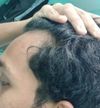
Poor diet and lifestyle contribute to male pattern baldness. Treatments like Minoxidil, dietary changes, and lifestyle adjustments may help slow hair loss.
Microneedling and tretinoin may enhance minoxidil absorption for hair loss, but evidence on their effectiveness is limited. Iron supplements and broccoli sprouts are suggested for enzyme activation, but their impact on hair is unclear.
Hair loss theories discussed include poor blood flow, scalp tension, inflammation, and DHT. Treatments mentioned are massaging scalp, minoxidil, finasteride, and RU58841.
Finasteride worked well for over a year, but hair started falling out again despite positive lifestyle changes. The user is unsure if it's due to stress, vitamins, or finasteride losing effectiveness.
Rapid weight loss may have triggered increased hair shedding. Continuing with finasteride, microneedling, a healthy diet, and supplements like MSM and vitamin B is advised, but results may take 6-12 months.
The conversation is about a user suspecting excessive soy consumption caused their hair loss and considering removing soy from their diet. Another user suggests balancing soy with other nutrients, as soy is generally thought to protect hair.
The user experienced hair loss due to a crash diet and later developed scarring hair loss. They are now on finasteride, oral minoxidil, LDN, Zyrtec, and Oztela to reduce scalp inflammation and promote hair regrowth.
The user experienced a significant drop in libido and energy after taking saw palmetto, which they believe caused these changes. They are seeking advice and reassurance, with some users suggesting that the effects may not be permanent and could improve over time with a healthy lifestyle.
The user is stressed about hair loss and is using a HIMS topical treatment containing finasteride, ketoconazole, minoxidil, and biotin, but is concerned about the oily appearance it causes. They are considering switching to Rogaine (minoxidil) due to budget constraints and side effect concerns with oral finasteride.
The conversation discusses hair loss and the potential impact of zinc supplementation, with some users suggesting it might contribute to shedding. The original poster is using finasteride and considering adjusting their zinc intake and dosage of finasteride.
A user experiencing significant hair loss while on finasteride and minoxidil found out they had vitamin D and iron deficiencies. After adding iron, vitamin D, and a multivitamin with zinc to their treatment, they saw reduced hair fall within a week.
The conversation discusses hair loss causes beyond male pattern baldness, mentioning treatments like ketoconazole, zinc shampoo, and finasteride. Stress-related hair loss (telogen effluvium) is also suggested.
Combining therapies like scyllo-inositol, alpha-ketoglutarate, and autophagy-inducing supplements may enhance hair growth and prevent hair loss. Reporting individual results can accelerate progress in hair loss treatments.
The conversation discusses hair loss treatments, focusing on iron supplements for low ferritin levels and considering finasteride and minoxidil if thinning persists. There is debate over starting with finasteride versus dutasteride, with some users advocating for dutasteride due to its potency, while others caution about potential side effects.
Finasteride can reduce neuroactive steroids, causing side effects like depression, anxiety, and sexual dysfunction. Some users experience persistent symptoms after stopping finasteride, while others use alternative treatments like topical solutions.
The conversation is about whether low vitamin levels can cause hair loss. The consensus is that the user's vitamin levels are normal and unlikely to affect hair loss or the effectiveness of finasteride and minoxidil treatments.
The conversation discusses using Nutrafol products, Minoxidil, and considering Finasteride for hair loss treatment. The user is exploring natural supplements and other options due to low testosterone levels and concerns about Finasteride while trying to conceive.
Prolactin and cortisol are identified as key factors in hair loss, with stress hormones impacting hair shedding. Finasteride and minoxidil are effective treatments, while DHT's role and individual sensitivity are significant factors.
The individual is struggling with hair loss and depression, having tried treatments like Finasteride, Dutasteride, and Minoxidil, but faced side effects and limited success. They are considering a hair transplant and other options while dealing with personal challenges, including knee injuries and weight issues, and are encouraged by others to focus on self-improvement and acceptance.
Hair loss discussion involves experimenting with Sulforaphane from broccoli sprouts and possibly procyanidin b2. People seek updates on progress and if it's worth adding to treatment stack like microneedling.
A 23-year-old male is experiencing rapid hair thinning and receding hairline, feeling emotionally drained. He has tried GFC, PRP, ketoconazole shampoo, and supplements without improvement and is considering minoxidil, finasteride, and possibly a hair transplant.
A user is experiencing anxiety and insecurity about hair loss despite using finasteride for 19 months and oral minoxidil for 6 months. They are seeking advice on whether stress, scalp testosterone, or switching treatments could help, and are considering a buzzcut.
Low ferritin levels can affect hair density, and increasing ferritin through iron supplements may help with regrowth. It's suggested to maintain ferritin levels between 70-100 ng/mL and check other micronutrients for optimal hair health.
The user has been experiencing hair thinning despite taking finasteride and minoxidil for six months. Bloodwork suggests a vitamin D deficiency, and users recommend consulting a doctor and possibly supplementing vitamin D.
The user follows an intensive hair loss protocol including dutasteride, biotin, black tea, pumpkin seed oil, peppermint shampoo, rosemary conditioner, mukemame, soy milk, lycopene, garlic, magnesium, chamomile, spicy food, citrus bergamot, zinc, multivitamins, kefir, and Greek yogurt. They plan to alternate between pumpkin seed oil and safflower oil and will share before and after pictures.
The user experienced no results for 3.5 years while using finasteride, minoxidil, and microneedling, but saw improvement after increasing Dutasteride to 0.6mg daily. Current routine includes Dutasteride 0.6mg, minoxidil once a day, and supplements like collagen, biotin, and vitamin D.
A user found out they are vitamin D deficient and was prescribed high-dose vitamin D supplements, asking if others had similar experiences and if it improved their hair. Some shared improved mood and testosterone levels after treatment, while another combined vitamin D supplements with finasteride due to family history of baldness.
A user has been taking finasteride for 5 months with no improvement in diffuse hair loss and suspects high levels of prolactin, cortisol, progesterone, and DHEAS, as well as iron, might be contributing to the issue. They are also taking vitamin D to address a deficiency.
Iron and zinc vitamins helped improve hairline regrowth for someone with celiac disease. Nutrient deficiencies, like iron, can contribute to hair loss, especially around the temples.