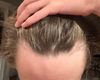
A user's nine-month journey of hair growth with treatments including finasteride, minoxidil, and nizoral; some participants thought the user had a hair transplant while others disagreed.
Hair loss discussion includes treatments like Minoxidil, finasteride, and RU58841. Conversation focuses on foods with sufficient procyanidin b2, such as dark chocolate and apples, and the required dosage.
A user reports hair regrowth after 8 months using treatments including topical Minoxidil/Finasteride, microneedling, Nizoral shampoo, Pyrilutamide, GHK-Cu/Min topical, and supplements like fish collagen peptides, zinc, and vitamin D3. They've seen progress but slower regrowth in the midsection of the scalp and are seeking advice to improve it.
The user experienced hair regrowth using finasteride, biotin, folic acid, vitamin D3, and microneedling, despite initial shedding. Vitamin D3 deficiency caused hair loss and insomnia.
The user is considering adding microneedling to their current hair loss regimen, which includes 1mg finasteride daily, 1.25mg oral minoxidil twice daily, and Nizoral once a week. Opinions on microneedling's effectiveness vary, but some suggest it could enhance results.
OP is seeking recommendations for thickening tonics and decides to try Aveda thickening tonic after a suggestion. Another user recommends hair powder as an alternative.
A user is documenting their natural approach to treating a receding hairline using a dermastamp, essential oils (rosemary oil at 3% dilution with pumpkin seed oil), a multivitamin with vitamin D, and daily collagen shakes. They acknowledge the common recommendations of minoxidil and finasteride but prefer to test natural methods and share their results.
Calculating the correct dosage of vitamin D from a 60,000 IU bottle using a dropper. The user is advised to take 0.05 ml for 600 IU, but struggles with finding a suitable supplement without additional ingredients like omega 3 or calcium.
An 18-year-old is using a high-dose hair loss treatment regimen including finasteride, minoxidil, dutasteride, and plans to add RU58841 and bimatoprost, despite warnings from others about the risks. The user is determined to reverse hair loss but acknowledges the potential dangers and does not recommend others follow their approach.
The user experienced hair loss due to undiagnosed anemia and has been taking iron and vitamin D3 supplements, which improved their energy levels but not hair regrowth. They are seeking advice on additional treatments or steps to restore hair after iron deficiency anemia.
The conversation humorously discusses hair loss treatments, mentioning "oral miraclegro," "topical roundup," "spectracide," "Cow Dung mesotherapy," and "weekly Foot stepping sessions." The user jokingly considers switching to "weed and feed" as a treatment.
Norwood 7 hair loss is often excluded from trials to ensure treatments appear more effective and to reduce costs. Some believe treatments effective for Norwood 5 could work on Norwood 7, but companies prioritize market readiness.
The conversation discusses hair regrowth using finasteride, minoxidil, biotin, and vitamin D over three months, with visible results. One person asks about the daily dosage of vitamin D and biotin.
A user is experiencing hair regrowth after treating vitamin D, B12, and B9 deficiencies, noticing some improvement after 9 months. They are unsure if further improvement will occur or if they have reached the end of progress, with a possibility of androgenetic alopecia (AGA) being suggested.
Protein's role in hair growth is complex, with specific amino acids like cysteine being crucial for effective hair growth. Users discussed using l-cysteine supplements, noting reduced hair loss and faster growth, though some experienced digestive issues.
A user's experience of using finasteride to treat hair loss, including details about shedding and side effects; their regimen; and the advice given by others about diet, sport, smoking, and topical treatments.
The conversation discusses the potential role of prolactin in hair loss and mentions treatments like HMI115, mucuna pruriens, Zinc, and B6 P5P for lowering prolactin levels. It also touches on the use of natural compounds and the lack of studies due to funding issues.
A 17-year-old is experiencing hair shedding and is concerned about a receding hairline, using hair products like powder and sea salt spray. Advice given includes maintaining good nutrition, ensuring hair products don't build up, and considering further resources if worried.
The conversation discusses hair regrowth progress from Norwood scale 4 to 2.5 over a year using daily 8.5-9% RU58841, topical Dutasteride 0.1%, RU58841 5% 1.5 times a week, and daily caffeine redensyl scalp treatment.
The user is using oral finasteride, topical minoxidil, Nizoral, dermarolling, a hair thickening conditioner, and hair vitamins for hair loss treatment. They stopped taking testosterone due to medical reasons and are now technically on estrogen, but it's unclear if this impacts their hair growth.
The conversation humorously discusses using off-label drugs like Minoxidil, finasteride, and RU58841 for hair growth. It jokes about the brain absorbing these treatments for maximum keratin production.
A humorous discussion about a newborn's hair loss, jokingly suggesting treatments like Minoxidil, finasteride, and various other hair loss remedies. Participants humorously debate extreme measures, including shaving or using a "nuclear stack" of treatments.
The conversation is about using Biolabshop's RU58841 product, which includes GHK-Cu and melatonin, to improve hair quality and combat hair loss. The user has previously used finasteride, minoxidil, and Anageninc’s RU58841 with success and seeks feedback on the new product, especially from those on anabolic steroids or hormone treatments.
Natural remedies to treat hair loss, such as polyphenols, apple peel extract, grape seed extract, green tea extract, peppermint oil, pumpkin seed oil, apigenin, Ginkgo biloba, red clover extract, olive leaf extract, Ecklonia Cava and Grateloupia elliptica. In addition, terpenes, carotenoids, and tocopherols were discussed as potential treatments.
A 22-year-old is using a hair loss treatment protocol including dutasteride, microneedling, 10% minoxidil, 0.1% finasteride topical, a healthy diet, and a hair multivitamin. Users discuss the effectiveness of microneedling and the intensity of the treatment.
A user shared their 2-month progress using Minoxidil, Finasteride, Keto shampoo, and microneedling for hair growth, reporting positive results. They plan to continue and update the community.
The conversation discusses various hair loss treatments, with some users avoiding finasteride due to potential side effects and opting for alternatives like dermarolling, minoxidil, peppermint oil, and other natural remedies. Despite trying different supplements and oils, many users report limited success, with some eventually considering or using finasteride, dutasteride, or topical treatments for better results.
The conversation discusses a hair loss treatment involving oral minoxidil, topical finasteride, and a custom topical formulation with minoxidil, cetirizine, finasteride, progesterone, and hydrocortisone. The user seeks advice on the effectiveness of these ingredients for diffuse thinning.